
Last updated November 21, 2026
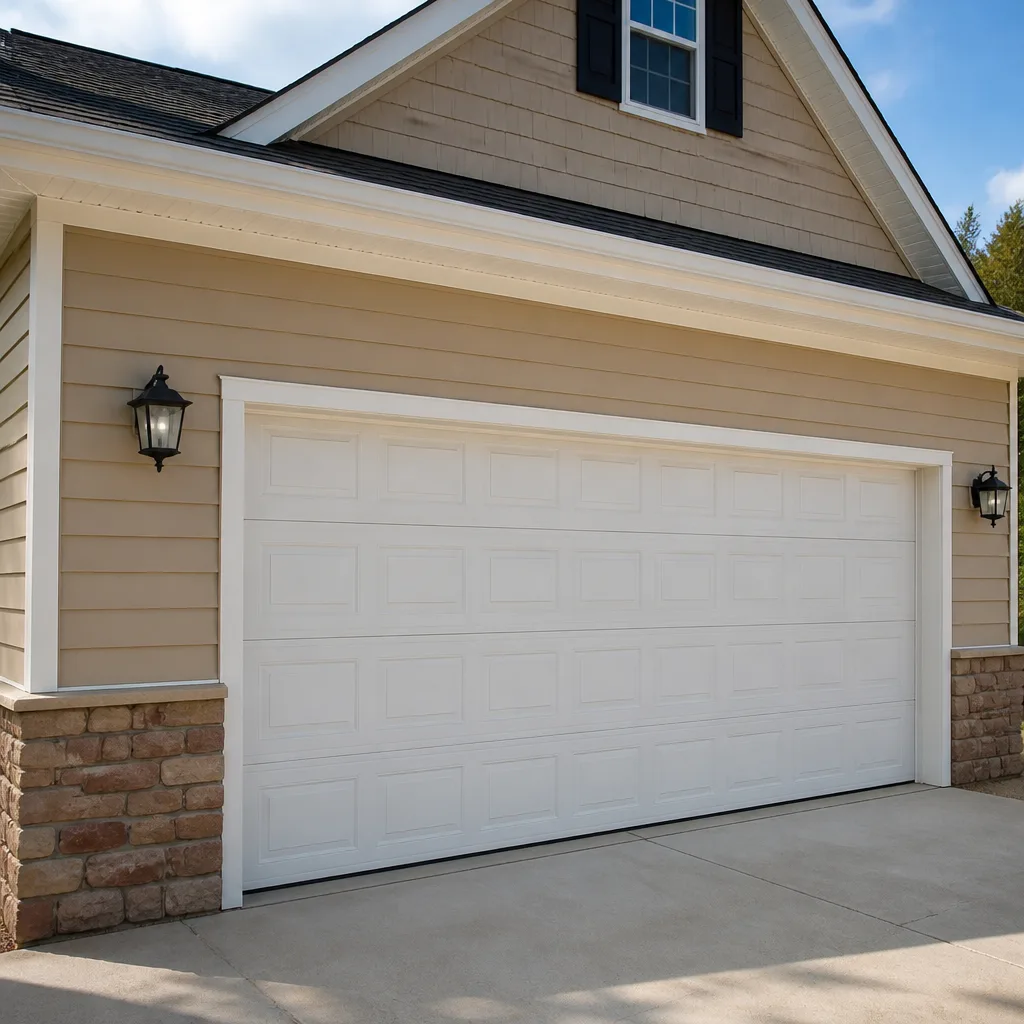
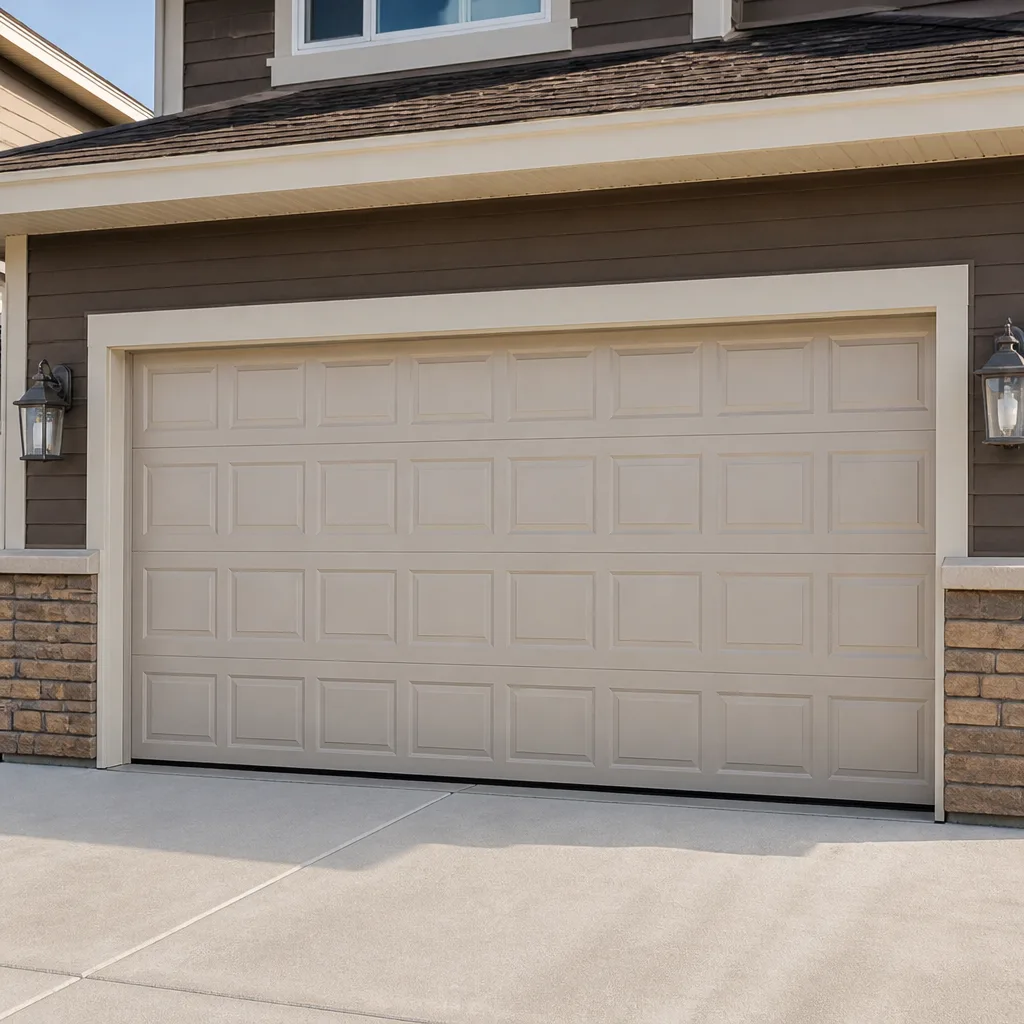 Raised-panel steel
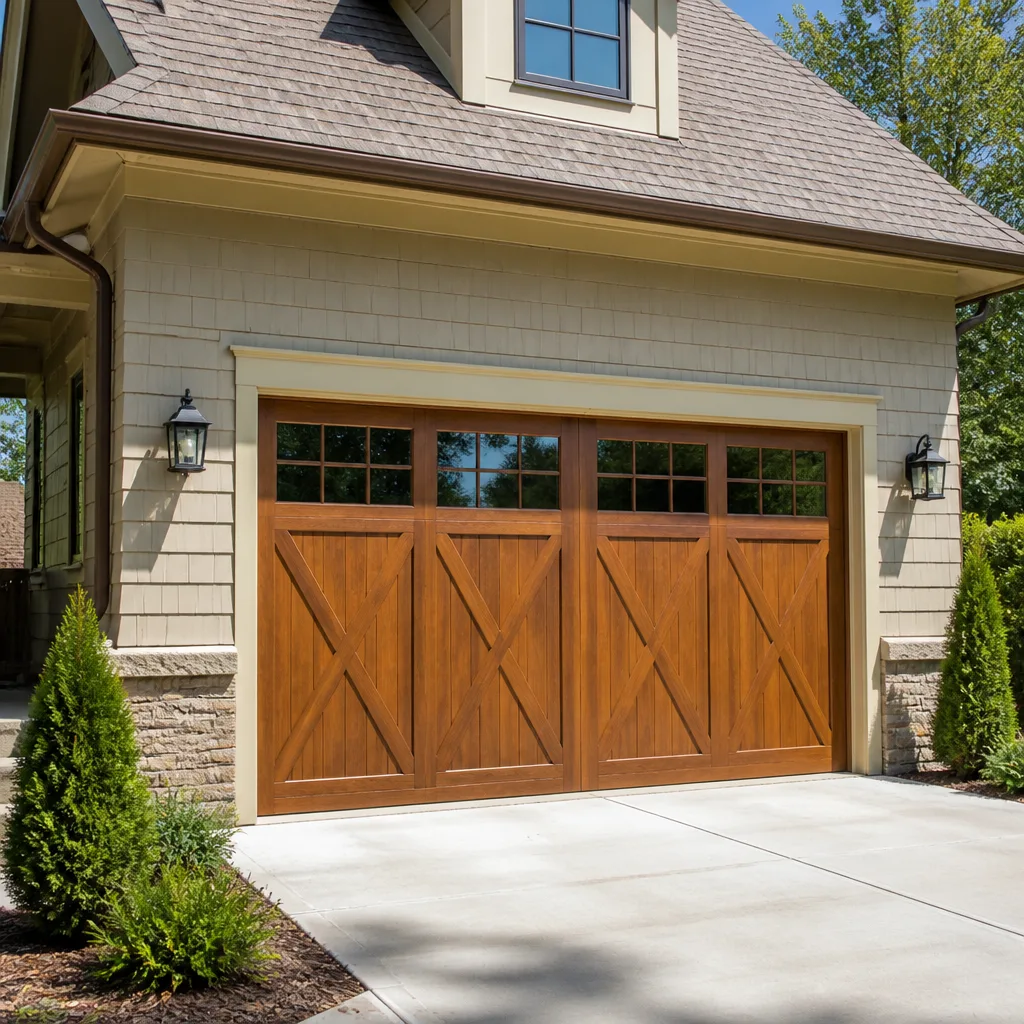 Carriage house
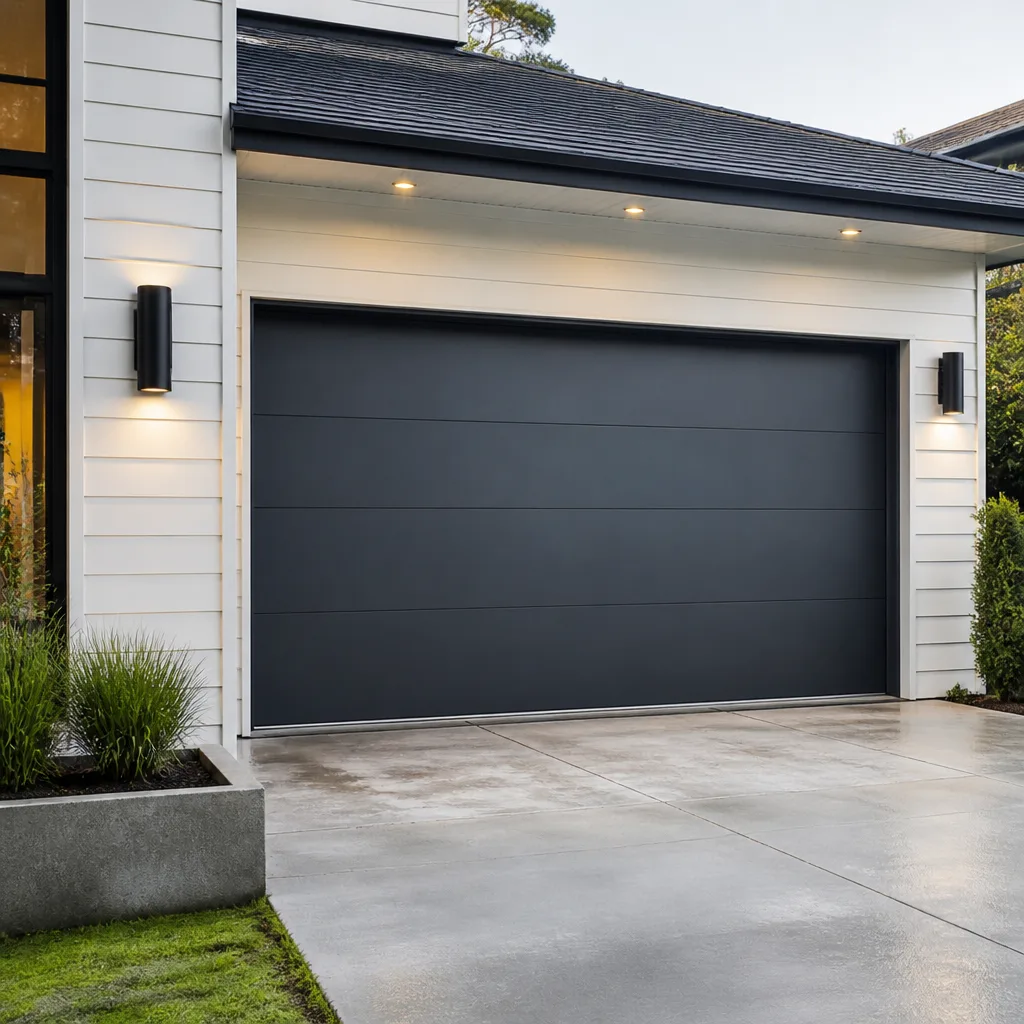 Modern flush
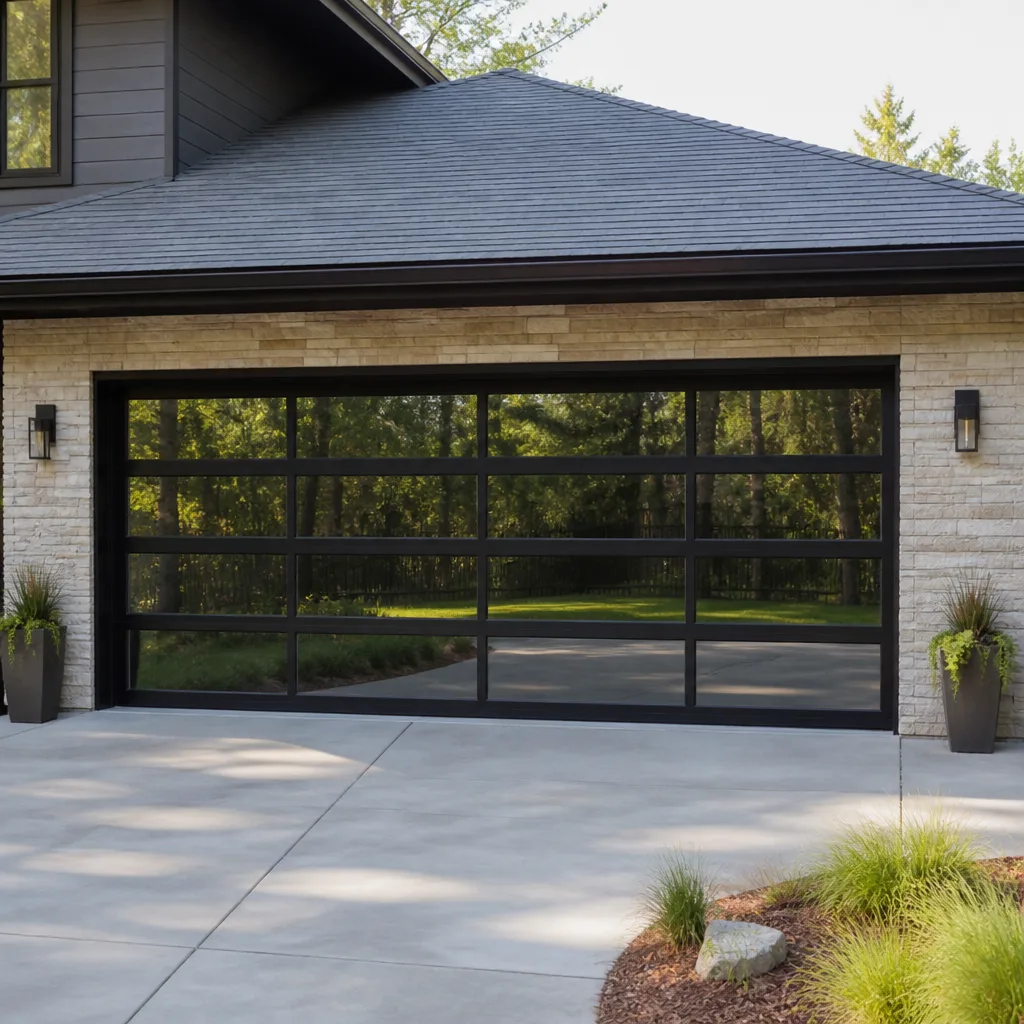 Full-view glass
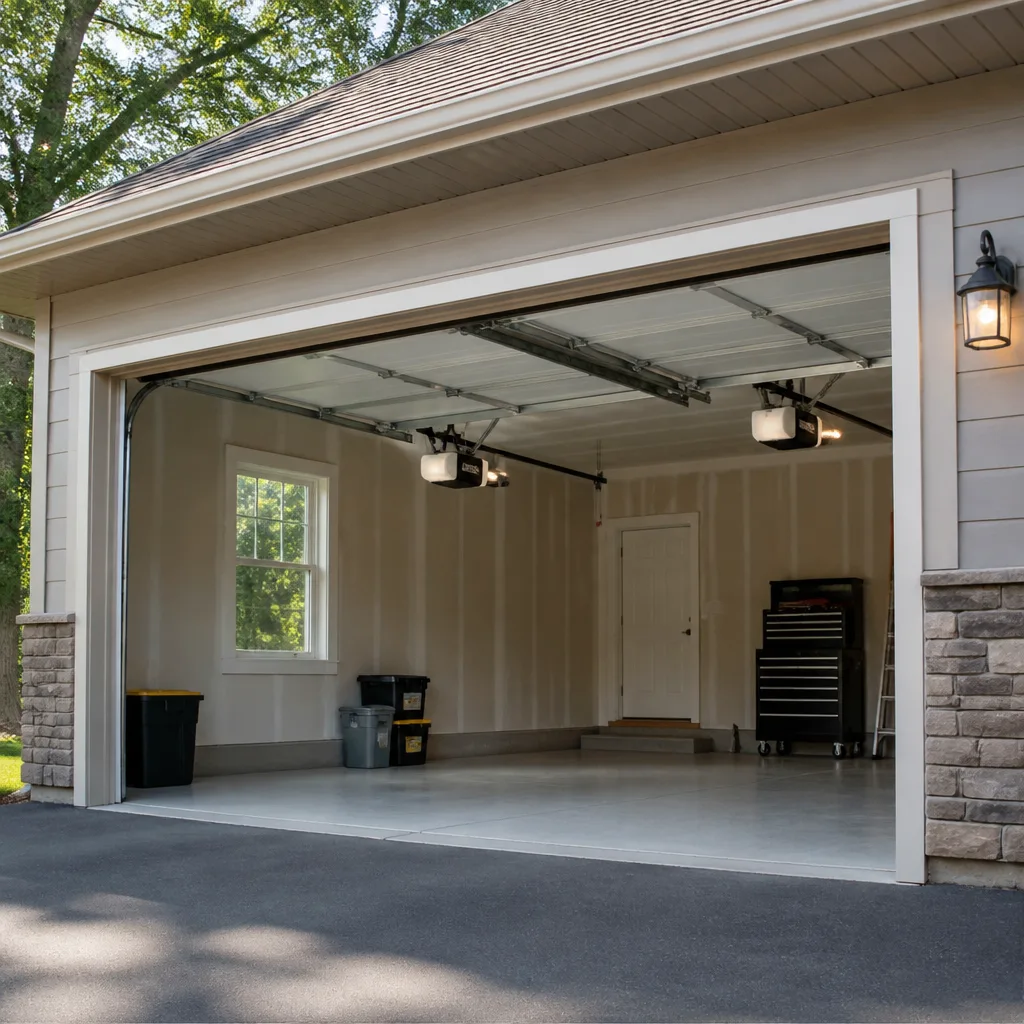 LiftMaster openers
 Chamberlain openers
Full 25-point door and opener safety check with every visit - springs, cables, rollers, tracks, and your LiftMaster or Chamberlain opener included
You get a price before we start. It does not change when the pro arrives.
Get your free estimateSeasonal Garage Door Care for Southampton: Year-Round Homeowner’s Guide
Most homeowners in Southampton treat garage door maintenance as one checklist they run through once a year, usually after something breaks. That’s backwards. Your door lives through four mechanically different stress environments here: a January that dips near 20°F, a July that pushes past 90°F, a spring thaw that moves the ground under your slab, and a fall that tests every seal before the cold returns. Each season attacks different parts. A torsion spring tensioned during a warm-week installation behaves differently by February. A rubber bottom seal that survived summer sun can stiffen into a hard strip by December. This guide breaks the year into four protocols, tells you what to measure and when, and explains which tasks you can handle and which ones need a trained hand.
Styles & brands we work with
- Raised-panel steel
- Carriage house
- Modern flush
- Full-view glass
- LiftMaster openers
- Chamberlain openers
Quick Answer
Seasonal garage door care in Southampton means matching maintenance to the season instead of running one generic check-up: in winter, watch for cold-brittle springs and use a lubricant rated for sub-freezing temperatures; in spring, check track alignment after freeze-thaw ground movement; in summer, inspect weatherstripping for UV damage and test the auto-reverse sensors; in fall, inspect cables, bottom brackets and seal adhesion before the first hard freeze. One task belongs on every seasonal list: test the manual release cord.
Table of Contents
- Why Seasonal Care Beats an Annual Check-Up
- Winter Protocol: Cold Springs and Cold-Weather Lubricant
- Spring Protocol: Freeze-Thaw, Tracks and Bottom Seals
- Summer Protocol: UV, Heat Expansion and Sensor Drift
- Fall Protocol: The Pre-Winter Inspection Sequence
- The Manual Release Cord: The Task on All Four Lists
- What You Can Check Yourself and What You Shouldn’t Touch
- Common Mistakes to Avoid
- When to Call a Professional
- Frequently Asked Questions
Why Seasonal Care Beats an Annual Check-Up
Southampton’s temperature swing, from January lows around 20°F to July highs above 90°F, is the single biggest factor in how long your garage door hardware lasts. That spread is more than a hundred degrees across the year, and metal responds to every degree of it. Steel door panels expand in the heat and contract in the cold. Torsion spring wire behaves the same way, which means a spring calibrated during a warm-weather installation carries different tension in the middle of winter.
That’s the mechanical reason a single annual inspection misses so much. The parts under stress in February are not the parts under stress in August. Weatherstripping that bakes under July sun is a different failure point than the bottom seal that freezes to the concrete in January. Track alignment that holds fine in summer can shift after the ground moves through repeated freeze-thaw cycles in March.
Breaking care into four seasonal windows gives you a chance to catch each component in the conditions that actually stress it:
- Winter tests springs, lubricant viscosity and the door’s balance.
- Spring tests the tracks and bottom seal as the ground moves.
- Summer tests weatherstripping, panel gaps and sensor alignment.
- Fall tests cables, bottom brackets and seal adhesion before the cold arrives.
Our technicians have up to 14 years of experience working on doors through this exact climate pattern, and the pattern repeats reliably. A homeowner who works the four protocols below spends less time reacting to failures and more time preventing them. For a full list of what we handle across the trade, see Southampton Garage Door Repair Pros.
Winter Protocol: Cold Springs and Cold-Weather Lubricant
Cold-weather spring snaps in Southampton cluster in January and February, and that timing isn’t random. Torsion spring steel contracts as temperatures fall, which changes the tension calibration that was set during a summer installation. The spring isn’t weaker in the cold, exactly. It’s carrying a different load than it was tuned for, and repeated cycling in that state is what fatigues it.
How to Spot a Spring That’s Close to Failing
You can’t measure spring tension by eye, and you shouldn’t try. What you can watch for are warning signs that the spring is under strain:
- The door lifts unevenly, with one side lagging behind the other.
- The opener strains audibly at the start of a lift, or the door hesitates.
- The door won’t stay open at the halfway point when you disconnect the opener.
- You hear a sharp popping or snapping sound and the door stops lifting entirely.
If you hear that snap, stop. A broken torsion spring means the door is now held only by the opener and cables, and forcing it can drop the door. Spring repair is high-tension work, and it requires a specialist rather than a general handyman. We handle garage door spring repair as a dedicated service because the risk of injury from a loaded torsion spring is real and well documented in the trade.
Lubricant Viscosity Below Freezing
Most garage door lubricants thin out or thicken unpredictably near freezing. A lubricant that flows well at 60°F can turn gummy at 25°F, which drags on the rollers and forces the opener to work harder. For winter, you want a low-temperature lubricant rated for sub-freezing use, typically a silicone-based or lithium-based product labeled for cold conditions. Apply it to the rollers, hinges and torsion spring coils, keeping it off the tracks themselves. The tracks should stay clean and dry, not greasy.
If your door uses a Chamberlain or Genie opener, check the manufacturer’s lubricant guidance before switching products. Some opener gear systems prefer specific formulations. Our garage door opener repair technicians work on those brands routinely and can tell you what your unit wants.
Spring Protocol: Freeze-Thaw, Tracks and Bottom Seals
Spring in Southampton is the season of ground movement. Repeated freezing and thawing of soil under and around your driveway and garage slab causes heaving, and heaving pushes against the track mounts and the bottom seal. It’s a slow process, but it shows up in specific, measurable ways.
What to Measure After the Thaw
You don’t need special tools to spot track misalignment. A few simple checks tell you whether the tracks have shifted:
- Check the gap. With the door closed, look at the space between the door edge and the vertical track on both sides. The gaps should match.
- Check for plumb. Hold a level against each vertical track. A track that leans in or out at the bottom has moved.
- Check the seal compression. Close the door and look at the bottom seal where it meets the floor. It should compress evenly across the whole width, not touch on one end and float on the other.
- Listen on the way up. A door that rubs or scrapes on one side as it rises usually has a track out of alignment.
When Re-Alignment Is Warranted and When It Isn’t
Not every spring wobble needs a technician. If a track is loosened but hasn’t bent, tightening the mounting bolts can bring it back to plumb. If the track itself is bent, kinked or has pulled away from the wall framing, stop using the door. A bent track can derail the rollers and drop the door. That’s a job for a professional. The same goes for a bottom seal that’s torn or compressed permanently flat, which no amount of adjustment will fix.
Replacing a bottom seal is a good spring task because a fresh seal absorbs the next round of heaving better than an old, hardened one. A Clopay or Amarr door usually takes a manufacturer-matched seal profile that fits the panel channel correctly; a universal seal can leave gaps at the ends. We carry the parts you need so a small seal job doesn’t turn into a week-long wait on order.
Summer Protocol: UV, Heat Expansion and Sensor Drift
Summer in Southampton is where cosmetic wear turns into mechanical wear. July highs above 90°F do two things: they break down weatherstripping materials under UV, and they expand steel and aluminum components enough to change tolerances.
UV Degradation by Weatherstripping Type
Weatherstripping materials age at different rates under summer sun:
- Vinyl and PVC seals are the most UV-sensitive. They harden, then crack, often within a few summers of direct sun exposure on a south- or west-facing door.
- EPDM rubber seals hold up better to UV and stay flexible longer, though they can still stiffen over time.
- Brush seals resist UV well but wear mechanically where they rub.
Run your hand along the interior edge of the weatherstripping in summer. If it feels hard, slick or shows hairline cracks, it’s degrading and will admit water and pests by fall. Replacing weatherstripping is one of the few tasks most homeowners can do themselves, since it doesn’t involve springs or cables.
Heat Expansion and Panel Gaps
Steel panels expand in the heat, and on a sectional door that expansion changes the gaps between sections. When gaps open up, you get light, air and water penetration, and the door can rattle or bind. A little seasonal gap is normal. Gaps that stay open after the door cools are not.
Auto-Reverse Sensor Alignment
Heat expansion also nudges the photo-eye sensors mounted at the base of each track. A sensor that’s a few millimeters off can trip intermittently in July. Test them by pressing the wall control when the door is at the base. If it doesn’t reverse, or if the opener blinks a fault code, the sensors are out of alignment. Wipe the lenses clean first; summer dust and spider webs cause false trips more often than actual sensor drift.
Fall Protocol: The Pre-Winter Inspection Sequence
Fall is the most important seasonal window for a Southampton door, because it’s your last chance to address the components most likely to fail under cold stress. Run this sequence in order, before the first hard freeze.
The Fall Inspection Sequence
- Cables. Look at the lift cables on each side of the door. They should be taut and free of fraying, kinks or loose strands. A cable with a single broken strand is a failure waiting to happen. Never touch the cables under tension yourself; a snapped cable can whip with serious force.
- Bottom brackets. These are the brackets at the base of each track where the cable attaches. They’re under constant tension from the door weight and should be tight and free of rust or cracks. Don’t loosen or adjust them yourself. This is the most dangerous hardware on the door after the springs.
- Weather seal adhesion. Check that the weatherstripping is still bonded to the door frame and the bottom seal is attached across its full width. A seal that peels away in fall will let cold air and water in through winter and can freeze to the floor.
- Spring and balance. Disconnect the opener and lift the door halfway. It should stay put. If it drops or lifts on its own, the springs are out of balance.
- Lubrication. Apply your cold-rated lubricant to rollers and hinges so the door is ready for the cold months.
- Opener test. Cycle the door a few times and listen for strain. A Craftsman or Raynor opener that groans in October will struggle more in January.
If any step turns up a problem you can’t address, handle it before the cold sets in. The garage door repair work we do in fall is mostly preventive, and it saves homeowners the January scramble.
The Manual Release Cord: The Task on All Four Lists
Every seasonal checklist has one task that matters regardless of the calendar: testing the manual release cord. It’s the only component that matters when the power is out and the door is frozen shut. A door you can’t release by hand is a door that traps your car.
How to Test It
- Close the door and disconnect the opener using the release cord, pulling straight down.
- Lift the door by hand to confirm the manual operation moves freely.
- Reconnect the door to the opener carriage.
- Cycle the opener once to confirm the carriage re-engages correctly.
The cord itself has a fixed lifespan. The plastic handle cracks in cold, and the rope frays. Check that the handle is intact and the rope isn’t tangled in the track or hung out of reach. If your family can’t reach it, shorten the cord. Test this in every season, because a frozen door makes the release the only way to operate it.
What You Can Check Yourself and What You Shouldn’t Touch
The dividing line is simple: anything holding the weight of the door goes to a professional. That means springs, cables and bottom brackets. Those components are stored energy, and releasing that energy by accident is what causes injuries in this trade.
Safe homeowner tasks include:
- Lubricating rollers and hinges.
- Replacing weatherstripping and bottom seals.
- Wiping down and testing the photo-eye sensors.
- Testing the manual release cord.
- Tightening visibly loose track bolts.
Leave to a specialist:
- Replacing torsion or extension springs.
- Adjusting or replacing cables.
- Adjusting bottom brackets.
- Replacing a roller, hinge or panel that requires releasing the door’s load.
Our technicians have up to 14 years of experience with this hardware, and the safety difference is real. When you need garage door installation or a component replaced, the same rule applies: a professional does the work, and the price is quoted and agreed before any work starts.
Common Mistakes to Avoid
- Using winter grease in summer. A thick lubricant applied in July collects grit and wears the rollers. Match the lubricant to the season, then switch back in fall.
- Ignoring track misalignment after the thaw. Spring heaving is subtle, and a track that’s a few degrees out of plumb will wear the rollers unevenly for the whole year.
- Lubricating the tracks. Greasy tracks collect dust and cause the rollers to slip. Tracks stay clean and dry.
- Skipping the fall seal check. A peeled seal freezes to the driveway in January and can tear when the door opens, costing you a second repair on top of the first.
- Assuming a sensor problem is the opener’s fault. Many summer fault codes trace back to dirty or misaligned sensors, not the opener unit.
- Running the door hard on a failing spring. A spring that’s out of balance will eventually snap. Fixing it early costs less than a failed spring and a damaged opener.
- Never testing the manual release. When the power fails, the release cord is the only way to move the door by hand, and a frozen or tangled cord is worthless.
When to Call a Professional
Call us when the problem crosses into loaded hardware. A torsion spring that snapped, a door that drops when you lift it halfway, a cable with broken strands, a bent track, or a bottom bracket showing cracks all need a trained technician. So does an opener that runs but won’t lift the door, or one that cycles endlessly without moving. If your door opens unevenly or the opener strains and hesitates, don’t wait for it to fail. Southampton Garage Door Repair Pros offers free estimates in Southampton. Call (866) 809-2029. We answer 24/7. Fast dispatch from 7am to 7pm, Sunday through Friday.
Frequently Asked Questions
Four times a year, timed to the seasons rather than an arbitrary calendar date: once in winter for springs and lubricant, once in spring for track alignment, once in summer for weatherstripping and sensors, and once in fall before the first freeze. The reason for four visits instead of one is that each season stresses different components. Call (866) 809-2029 for an exact quote on getting the heavy tasks handled. Estimates are free.
Because cold contracts torsion spring steel, which changes the tension calibration the spring was set to and adds stress on every open and close cycle. The failures cluster in January and February for that reason. If your spring is already showing strain, get it checked before winter. Call (866) 809-2029 and we’ll book a time Sunday through Friday, 7am to 7pm.
A silicone-based or lithium-based lubricant labeled for sub-freezing temperatures, applied to rollers, hinges and spring coils but not the tracks. A standard lubricant that works in summer can stiffen below freezing and drag on the mechanism. For your specific opener, check the manufacturer’s guidance; we work with Chamberlain and Genie units routinely. Call (866) 809-2029 if you’re unsure what your door needs.
No. Torsion springs store enormous energy, and adjusting or releasing one without the right tools and training can cause serious injury. This is the single most dangerous part of a garage door, and it’s the reason spring repair is a dedicated specialty. Leave spring jobs to a trained technician. Call (866) 809-2029 and we’ll handle it.
No. We quote the price and agree it with you before any work starts, and that written estimate is the price for the job. What you’ll see on the estimate is the final figure. Call (866) 809-2029 for a free estimate.
Repeated freezing and thawing of soil under the driveway and garage slab causes heaving, which can push tracks out of alignment and compress or lift the bottom seal. Spring is the time to check both. If a track is bent or a bracket is cracked, call a technician rather than forcing the door. Call (866) 809-2029 to schedule a check.
The Bottom Line
Seasonal garage door care in Southampton isn’t a single annual reminder. It’s four protocols, each targeting the components under stress in that season. Winter is about cold-brittle springs and sub-freezing lubricant. Spring is about track alignment and seal compression as the ground moves. Summer is about UV damage and heat-driven sensor drift. Fall is the pre-winter inspection that catches cable, bracket and seal problems before cold stress sets in. And the manual release cord belongs on every one of those lists.
Work the protocols in order and you’ll spend less on repairs and more on driving out of a working door. For the tasks that involve springs, cables or brackets, hand them to a specialist. Southampton Garage Door Repair Pros is a single-trade garage door specialist, familiar with Clopay, Amarr, Chamberlain, Genie and the rest of the major brands, and we carry parts on hand rather than on order. Call (866) 809-2029 for a free estimate. We answer 24/7. Fast dispatch from 7am to 7pm, Sunday through Friday.
Written by the team at Southampton Garage Door Repair Pros.
See the difference
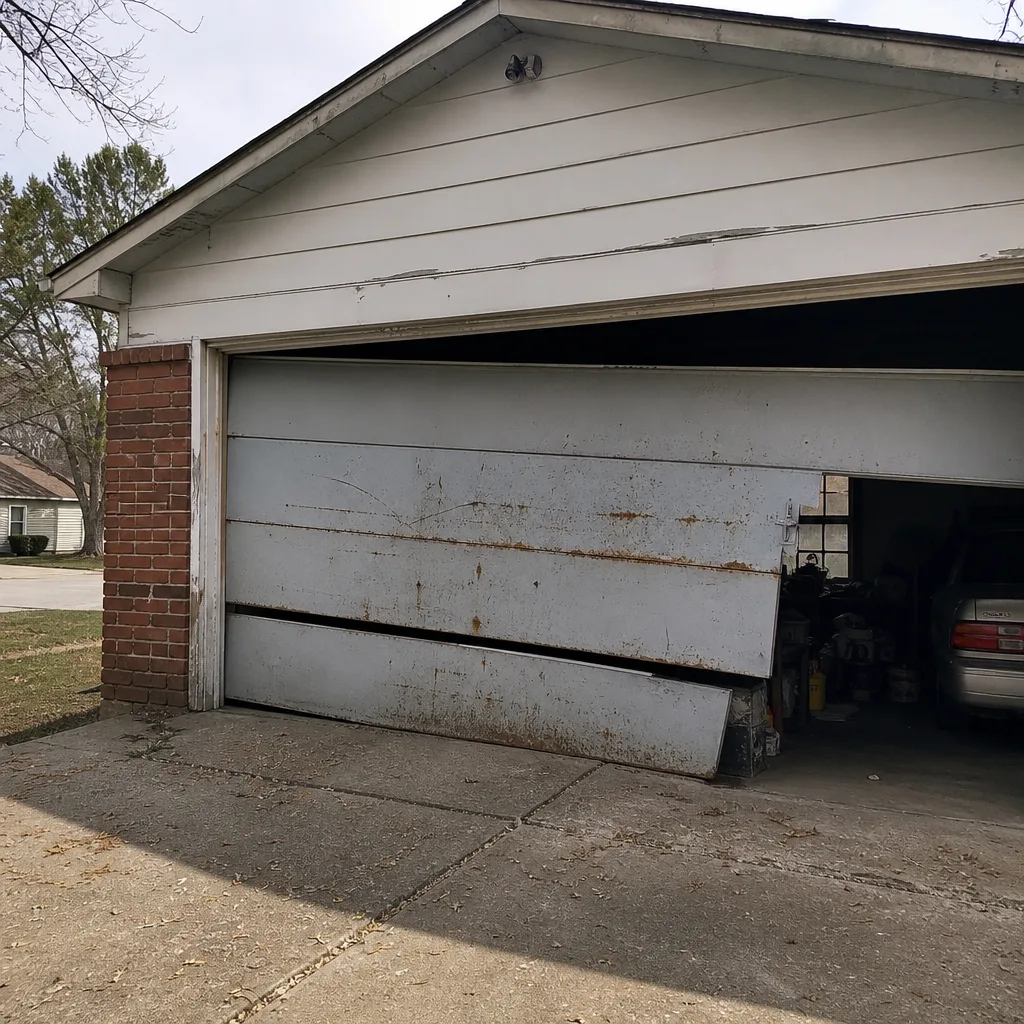 Before
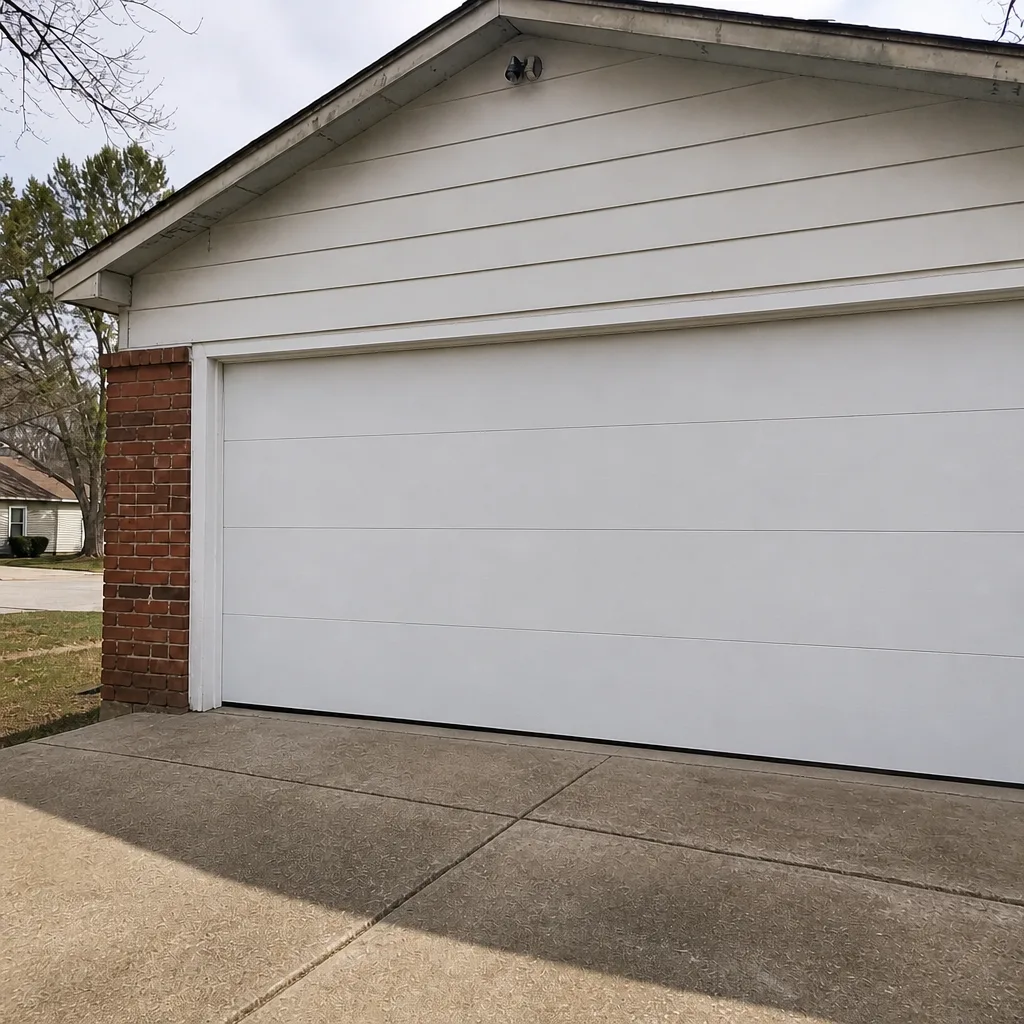 After
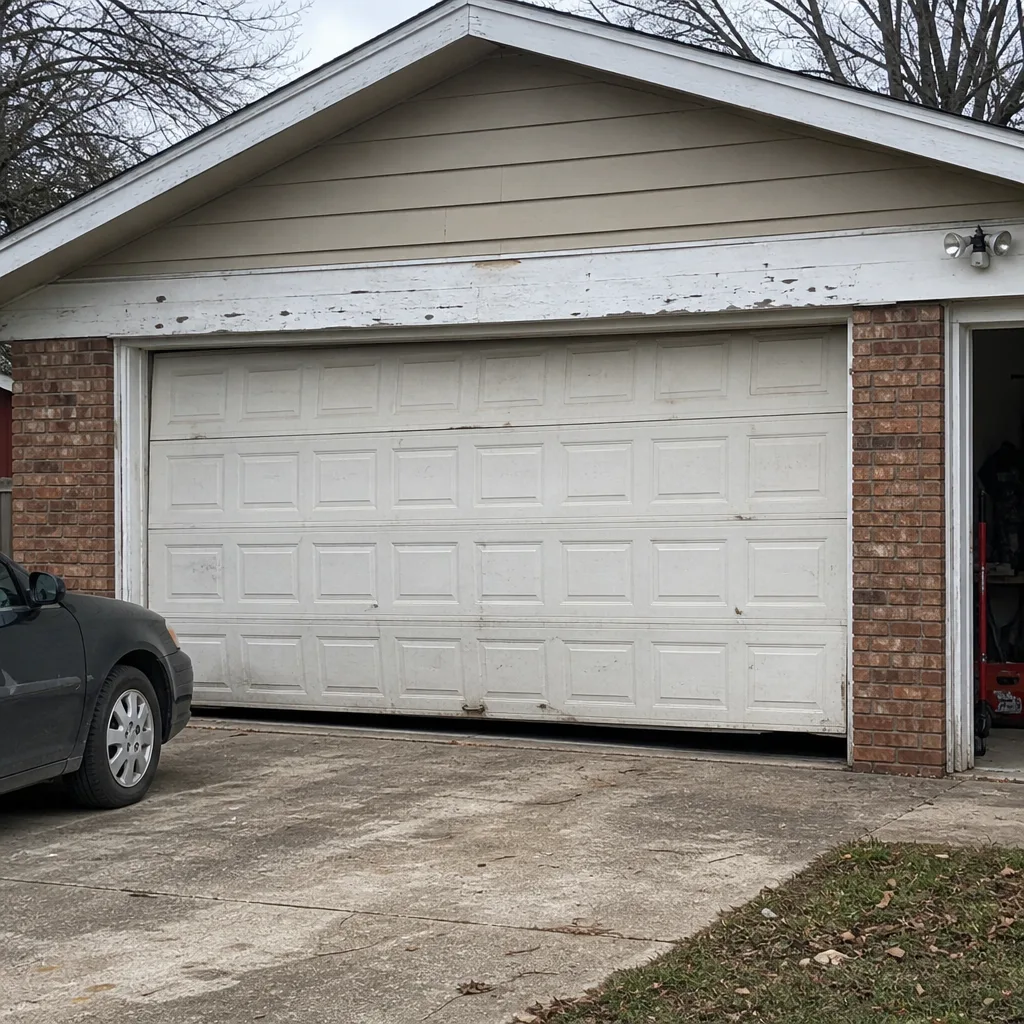 Before
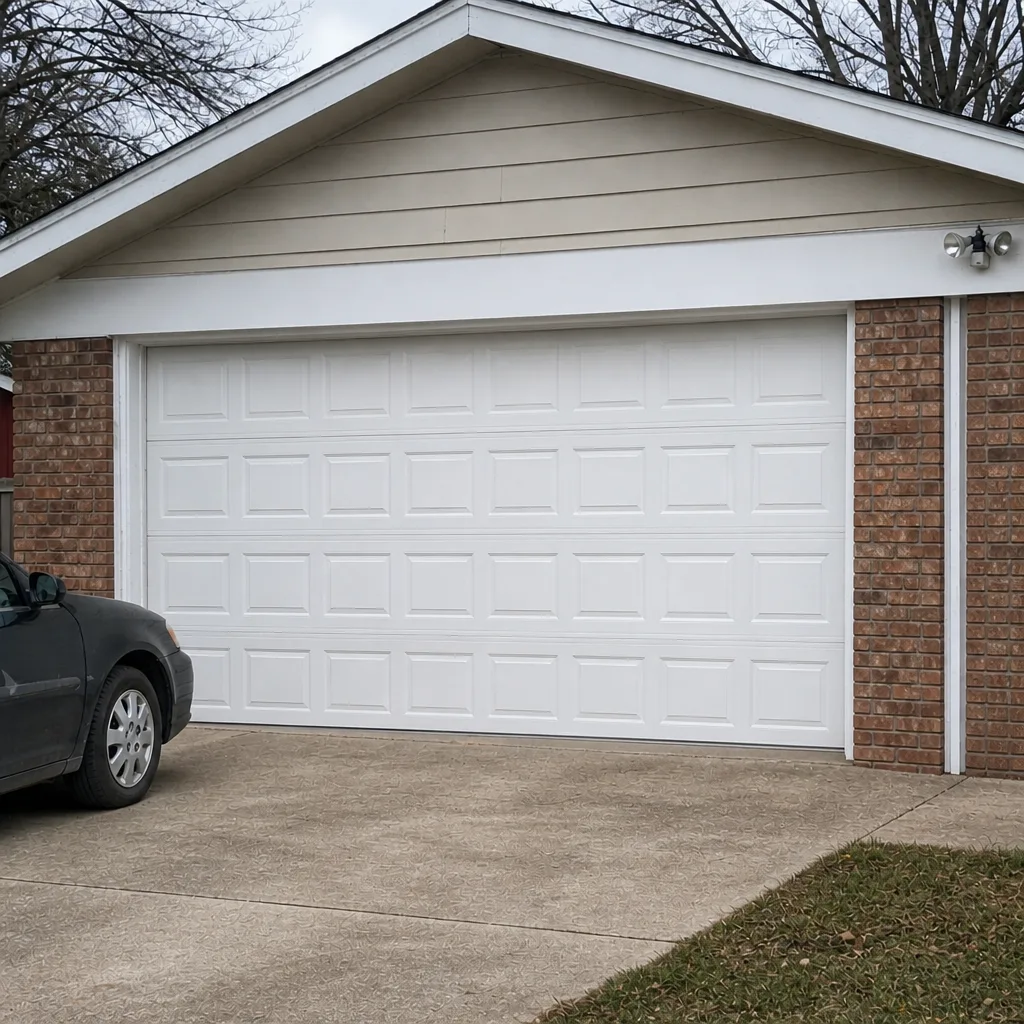 After
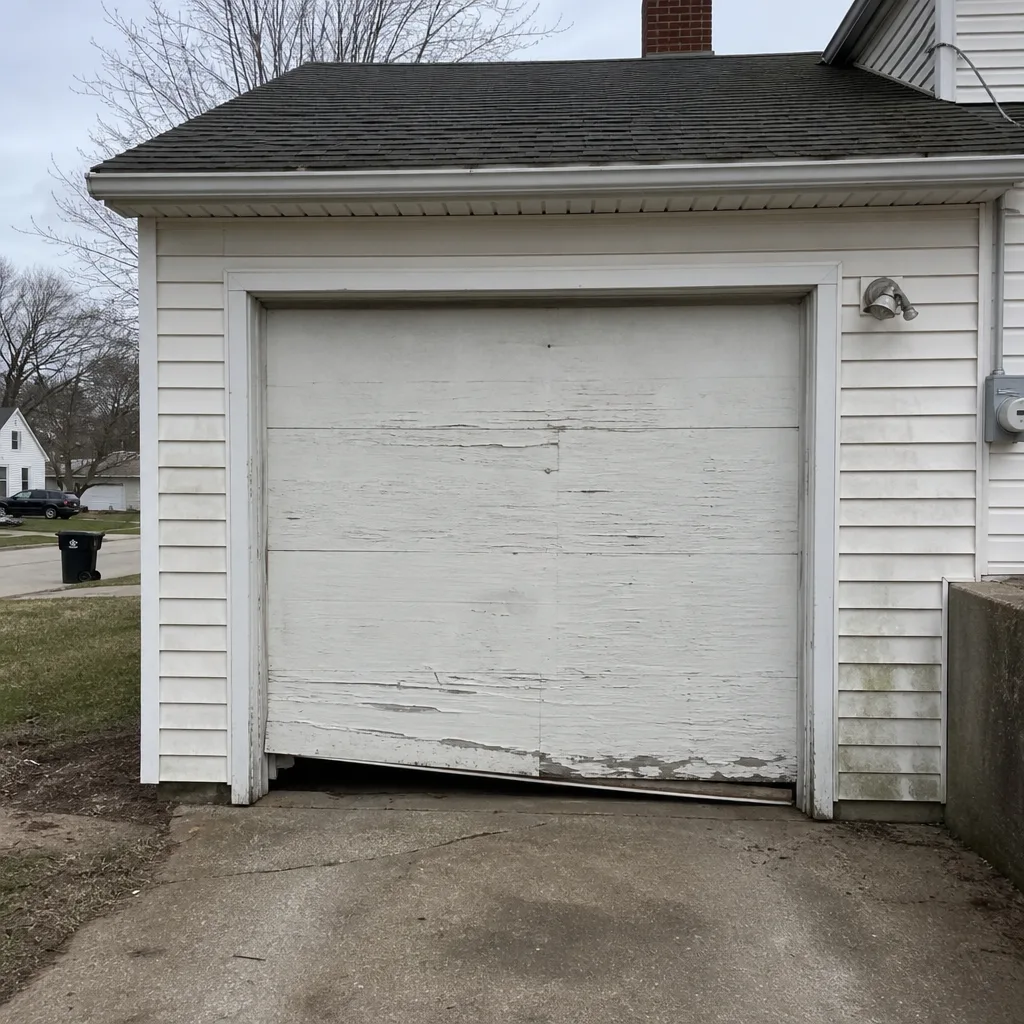 Before
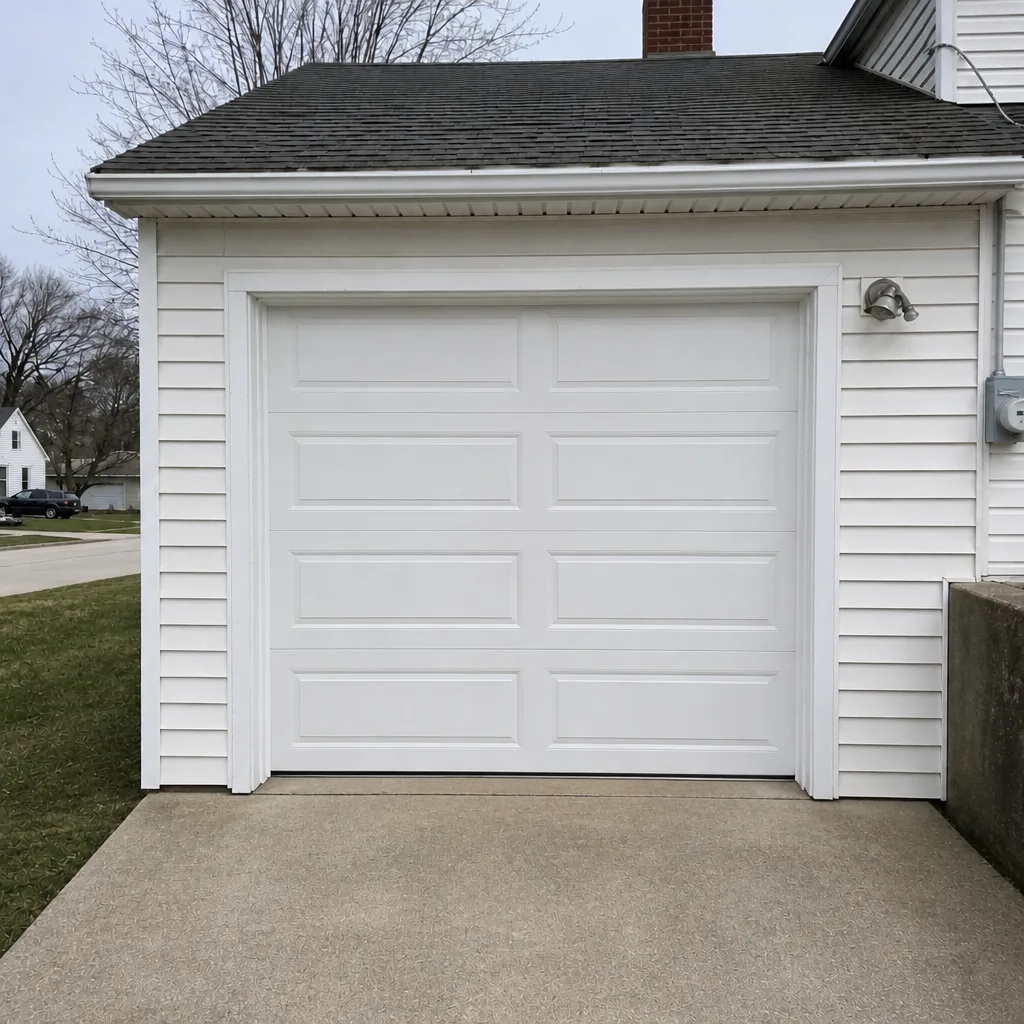 After