
Last updated November 21, 2026
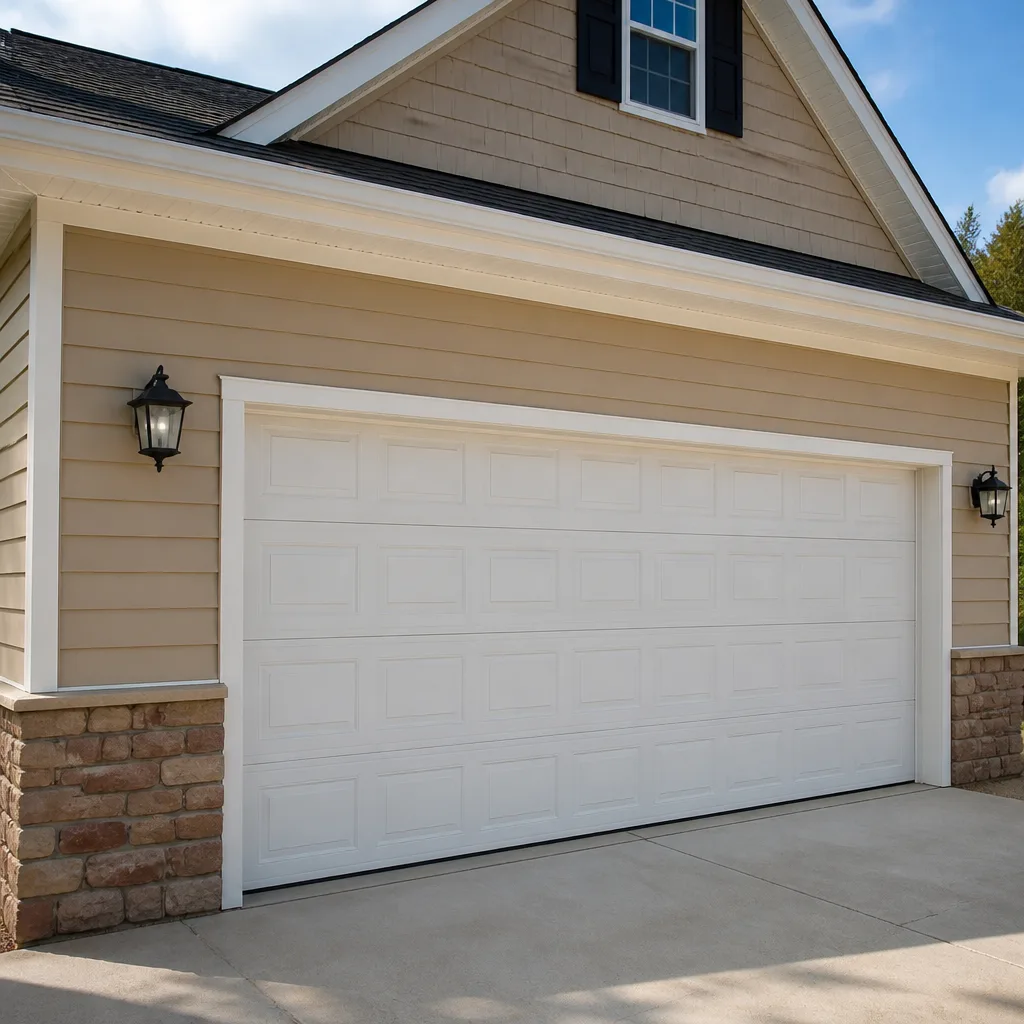
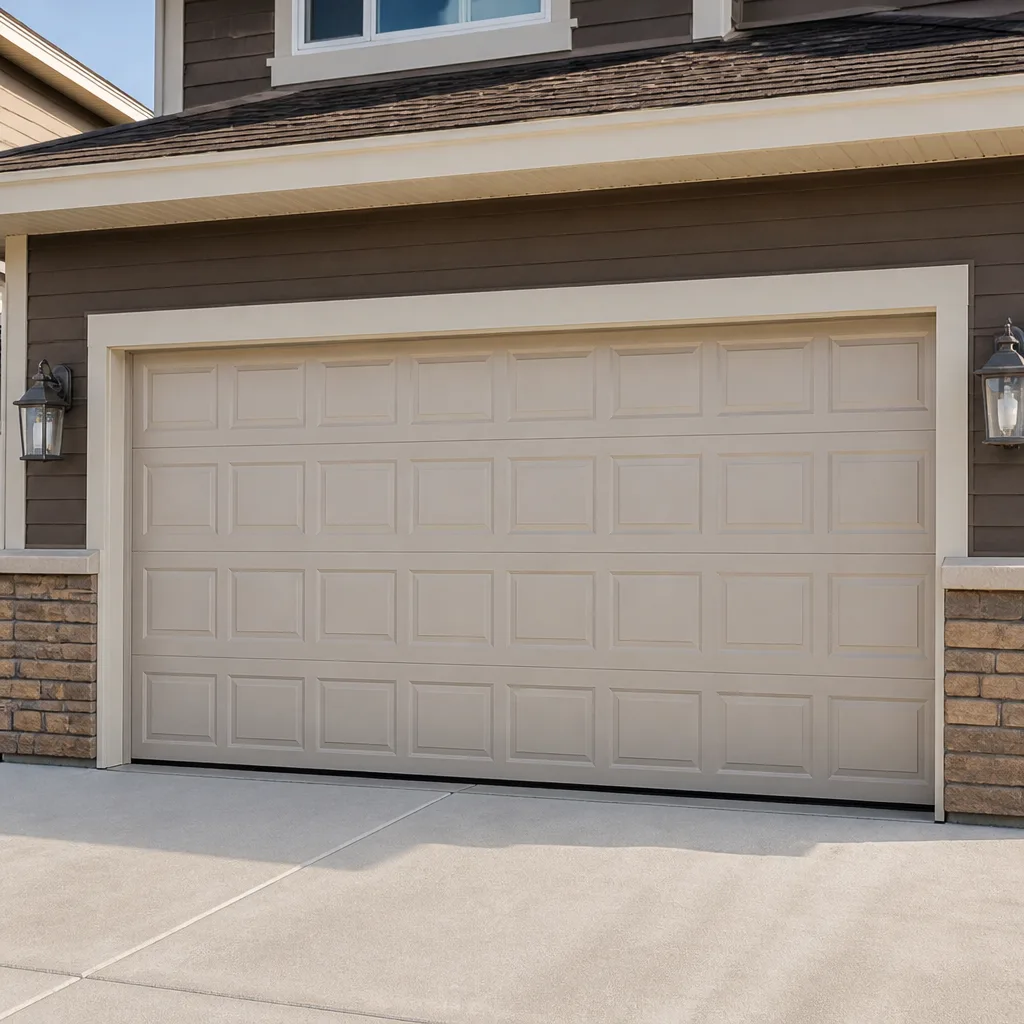 Raised-panel steel
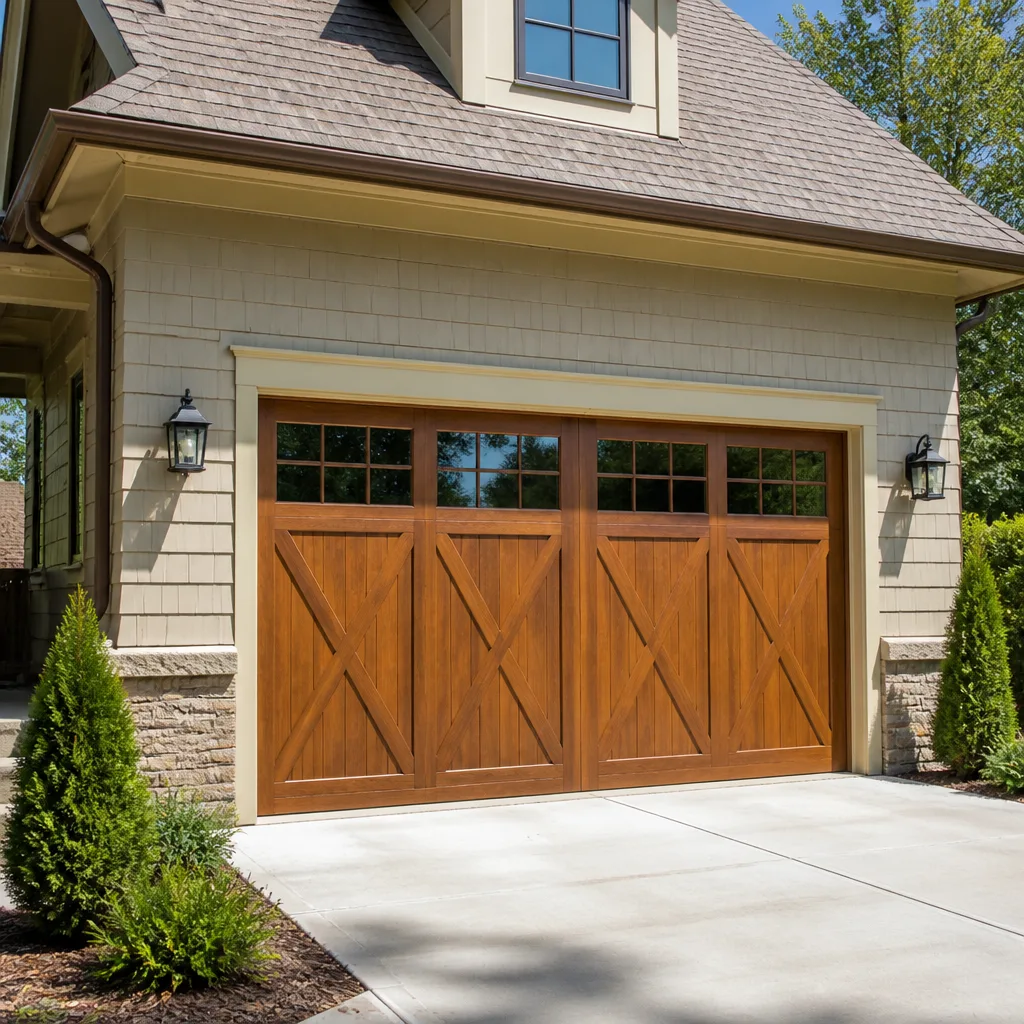 Carriage house
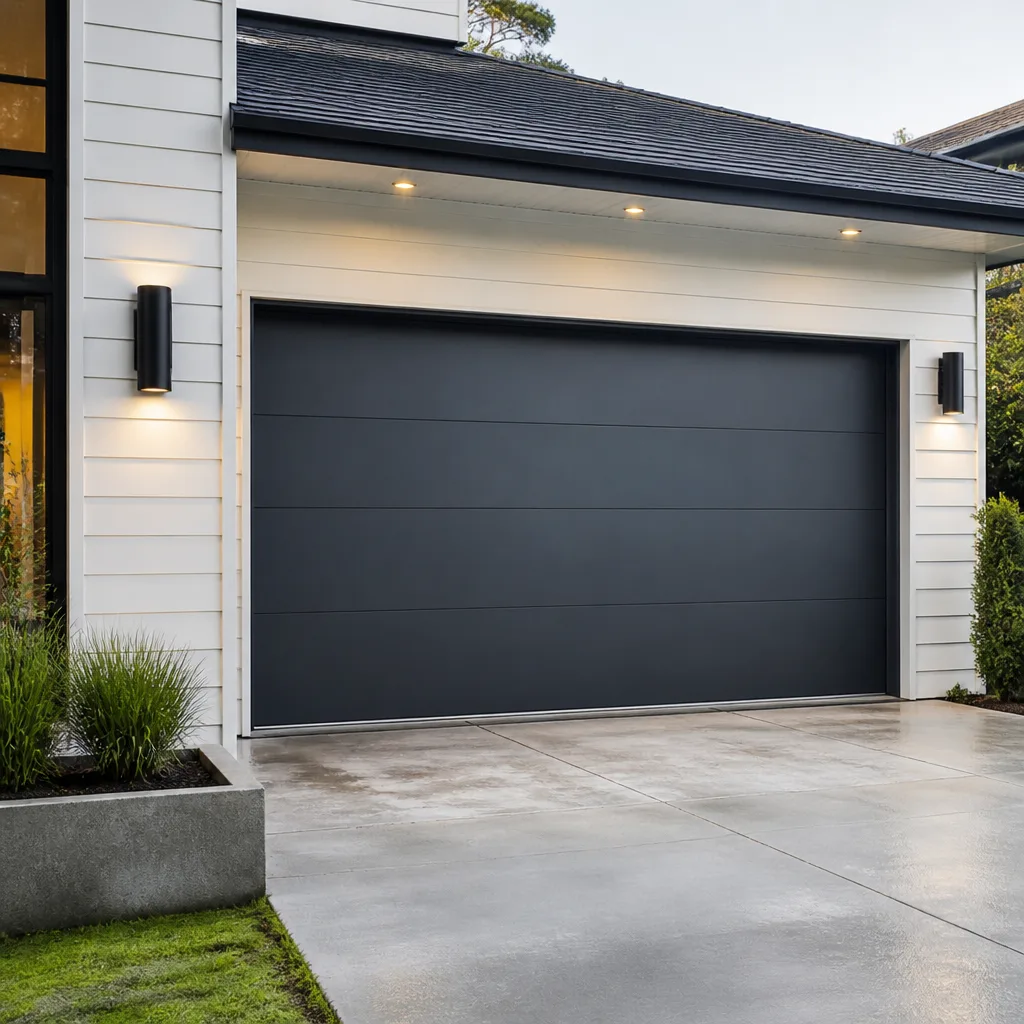 Modern flush
 Full-view glass
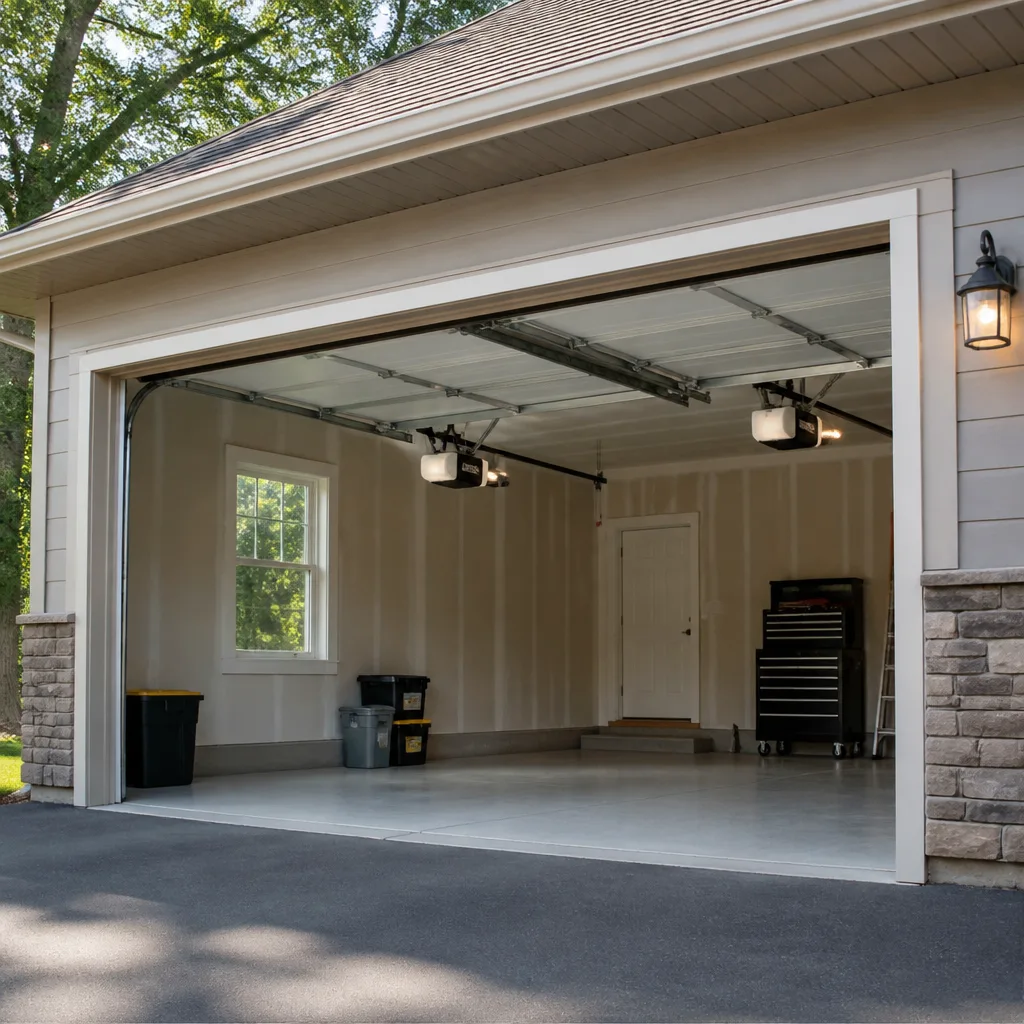 LiftMaster openers
 Chamberlain openers
Full 25-point door and opener safety check with every visit - springs, cables, rollers, tracks, and your LiftMaster or Chamberlain opener included
You get a price before we start. It does not change when the pro arrives.
Get your free estimateHow to Hire a Garage Door Contractor in Southampton: A Step-by-Step Guide
Most homeowners in Southampton hire a garage door contractor the same way they hire a plumber: whoever answers the phone first and quotes the lowest number. That’s the wrong filter. The most reliable predictor of a good outcome isn’t the price on the estimate. It’s whether the company you’re talking to actually keeps parts on hand, or whether they’ll be ordering your spring and waiting a week while your car sits outside. A specialist who stocks components and knows the brand you already own gets the door working again faster than anyone promising a “great deal.” This guide walks through the phone screen, the Missouri red flags, how to read a quote, and the walkthrough you should demand before anyone drives away.
Quick Answer
To hire a garage door contractor in Southampton, MO, screen for single-trade focus, in-house parts availability, and brand familiarity before you discuss price at all. A dedicated door specialist should be able to name the spring brands they stock, quote you in writing from an on-site measurement, and specify the cycle rating on any spring they install. If a contractor can’t answer those three questions on the first call, keep looking.
Styles & brands we work with
- Raised-panel steel
- Carriage house
- Modern flush
- Full-view glass
- LiftMaster openers
- Chamberlain openers
Table of Contents
- Quick Answer
- Why a Single-Trade Specialist Beats a General Handyman
- The Five-Question Phone Screen
- Missouri Red Flags to Watch For
- How to Read a Garage Door Quote
- Parts on Hand vs. Parts on Order
- The Post-Installation Walkthrough Checklist
- Spring Work and Why It Needs a Specialist
- Common Mistakes to Avoid
- When to Call a Professional
- Frequently Asked Questions
- The Bottom Line
Why a Single-Trade Specialist Beats a General Handyman
A garage door is a weighted, spring-loaded system under continuous tension. It’s not a set of hinges and a handle. When a general handyman takes the job, three things go wrong, and they compound. First, the tool inventory isn’t there. Winding bars, proper springs rated to the door weight, and a force gauge aren’t tools a multi-trade contractor carries. Second, parts familiarity isn’t there: a handyman ordering a replacement spring for a Clopay door may not know which cycle rating the original had, or that a matched pair should be replaced together. Third, and most damaging, warranty accountability evaporates. When a handyman installs a door, the manufacturer’s warranty often depends on professional installation per spec, and a one-truck outfit hasn’t read those specs.
A specialist working only on Southampton Garage Door Repair Pros style single-trade work sees the same brands over and over. Our technicians have up to 14 years of experience, and they diagnose by brand-specific logic: knowing that a LiftMaster opener’s symptoms point to a different component than a Genie’s points to. That’s not marketing. It’s what repeated exposure to the same systems produces.
Here’s the practical difference for a Southampton homeowner:
- Tools: torsion winding bars, calibrated spring sizing, force gauges, track alignment jigs – all present on a specialist’s first visit, often absent on a handyman’s.
- Parts: the right spring, the right roller, the right opener carriage in the van, or a phone call to a local parts desk that has them. Not a supplier order with a shipping date.
- Warranty: a specialist who installs per manufacturer spec keeps the door warranty intact. A generalist who improvises can void it without telling you.
You don’t need a second trade to fix a garage door. You need one that does only doors.
The Five-Question Phone Screen
You can separate a dedicated door specialist from a general handyman in a five-minute call, before anyone comes out. Ask these in order. The answers tell you everything about how the work will actually go.
- “Which spring brands do you stock?” A specialist names specific spring makers and sizes, and can tell you what’s on the van. A handyman says “we’ll order what we need.” That answer means days without a working door.
- “What’s your parts return policy on a spring or opener part?” A genuine specialist has a defined policy because they handle parts regularly. A contractor who hedges or says “we don’t take returns” is protecting margin, not you.
- “Are you licensed and insured as a Missouri business?” Legitimate contractors will confirm this without hesitation. If the answer is vague or the caller changes the subject, stop there.
- “Will you give me a written quote after measuring, or an estimate over the phone?” A phone estimate without measurement is a placeholder. The number that matters comes from an on-site measurement.
- “What cycle rating will the replacement spring have?” This is the question that separates specialists from everyone else. A canned “standard” answer is a red flag. A specialist can explain cycle ratings and recommend based on how often your door runs.
If a contractor answers all five cleanly, you’re likely dealing with a dedicated company. If two or three answers are vague, you’ve just saved yourself a bad install.
Missouri Red Flags to Watch For
After a hailstorm or a hard cold snap, Southampton sees an uptick in out-of-area crews offering garage door work. Some are legitimate; many aren’t. The tell isn’t price. It’s how the contractor behaves before the job.
Here are the specific red flags for Southampton and the surrounding Missouri market:
- No Missouri business license: Ask for it. A contractor working without one has no stake in a warranty and may vanish before a callback. If they can’t produce it, don’t hire them.
- A quote given without an on-site measurement: A garage door’s spring sizing depends on door weight, track configuration, and drum size. None of that can be measured over the phone. A phone-only quote is a bait-and-switch setup.
- A proposal that doesn’t specify spring cycle rating: The cycle rating is the spring’s lifespan rating. A quote that says only “one spring” or “replacement spring” without the rating is hiding the most important number in the job. Ask. If they can’t tell you, walk away.
- Cash-only and no receipt offered: This is a warning sign for warranty and for recourse if the work fails.
- “We install tomorrow and you pay today” pressure: Storm-chasers push for same-visit signature and full payment before the door is tested. A legitimate install is followed by a walkthrough, not a clipboard.
- No physical parts source: If the contractor can’t tell you where the parts come from, assume they’re ordering from a big-box store and waiting on delivery.
One local wrinkle: after a hard cold snap in Southampton, frozen opener chains and stiff springs generate a rush of calls. Crews that aren’t local can’t get parts quickly, so they substitute whatever fits. The customer finds out months later when the door is out of balance.
How to Read a Garage Door Quote
A garage door quote is only useful if it breaks the work into line items. When everything is bundled into one number, you can’t tell whether you’re paying for a premium spring or a cheap substitute. Here’s what a clear quote should separate:
- Labor: the time to remove the old components, install the new ones, align the track, and test the door. It should be listed separately from parts.
- Parts, itemized: springs (with cycle rating specified), rollers, hinges, cables, drums, and opener components each listed by type. If you’re doing an opener job, the garage door opener repair line should name the brand and model.
- Disposal: what happens to the old door, springs, and track. A contractor who hauls away the old door should say so in writing; if it’s excluded, you’ll haul it yourself.
- Permit or code line, if any: most cities require a permit for major work. Ask your city’s building department whether this job needs one, and have the contractor state who pulls it.
Now the bait-and-switch pattern. A very low quote usually means one of three things: a used or undersized spring, a spring with a low cycle rating that will fail sooner, or labor that skips the balance and force-limit testing. The number looks good on paper and costs you a second repair. Ask what’s included. Then compare.
Here’s the rule that protects you: the price is quoted and agreed before any work starts. If the contractor can’t give you a written line-item price before touching the door, don’t let them start. Our garage door repair proposals are itemized this way, and we’ll walk through each line with you.
Parts on Hand vs. Parts on Order
This is the single biggest hidden variable in a garage door repair timeline. Two contractors quote the same job at the same price. One has the spring in the van; the other has to order it. One job is done today. The other is done when the parts truck arrives.
Parts availability matters because the most common garage door failures – a snapped torsion spring, a broken cable, a stripped opener gear – require exact replacements. A torsion spring isn’t a generic part; it’s sized to the door’s weight and drum configuration. A specialist with in-house parts supply matches the part to the door and installs it. Everyone else matches the part to whatever the supplier has on the shelf.
For a new door or a full opener replacement, parts availability also affects the schedule. That’s measured, ordered, and scheduled work, not same-day work. If you’re considering a replacement, start with garage door installation and ask what lead time looks like before you commit. We’ll give you a free measurement and a written price before you decide.
On a repair, parts on hand turn a multi-day wait into a same-day fix. Fast dispatch from 7am to 7pm means a specialist can often reach you the same day the part is needed. But the real guarantee is that the part is already there when the technician arrives.
The Post-Installation Walkthrough Checklist
A garage door contractor who leaves without a walkthrough is telling you they don’t expect to be called back. Before anyone drives away, you should see three tests performed, and you should perform the manual release yourself.
- Balance test: the technician disconnects the opener and lifts the door to the halfway point. A properly balanced door stays put. If it drifts down or springs open, the spring tension is wrong and needs adjustment before the contractor leaves.
- Force-limit test: the technician closes the door on an object placed in its path. The door should reverse immediately. This is the safety mechanism, and it should be verified in front of you, not assumed.
- Manual release procedure: the technician shows you the pull cord and demonstrates how to disengage the opener so you can lift the door by hand if the power fails or the opener malfunctions. You should operate it yourself before they leave.
Beyond the three tests, ask them to walk the full opening and closing cycle with you watching: the door should move smoothly, the track should run true, and the rollers shouldn’t shudder. If anything sounds off, say so before the paperwork is signed. A specialist will adjust it on the spot. A generalist will tell you it’s normal.
Spring Work and Why It Needs a Specialist
Garage door springs, especially torsion springs, store enormous energy. When they fail or when someone tries to adjust one without the right tools, the result can be serious injury. This is not a component to test yourself, and it’s the single most important reason to hire a specialist for spring work rather than a general handyman.
What you can safely check: whether the door feels heavier than it should when you lift it by hand (with the opener disengaged), whether the door is visibly uneven, and whether you hear a loud snap or see a gap in a spring coil. If you see or hear any of those, stop using the door and call a professional. Do not attempt to wind, unwind, or remove a spring yourself. A trained technician has the winding bars and the spring sizing knowledge to do it safely.
Our spring repair is a dedicated service, not an add-on. If you’d rather look at the broader picture first, the service overview covers what a typical spring repair involves. When you call, ask about the cycle rating of the spring being installed. That number determines how many cycles the spring lasts, and a specialist will tell you without hesitation.
Common Mistakes to Avoid
- Hiring on price alone. The lowest quote usually means a low-cycle spring or skipped testing. Compare what’s included, not just the total.
- Accepting a phone estimate as final. Spring sizing requires an on-site measurement of door weight and track configuration. A phone number is a placeholder; the written quote after measurement is what you pay.
- Not asking about the spring cycle rating. This is the number that determines how long the repair lasts. If the contractor can’t tell you, they’re not specifying it, and you’ll be replacing the spring again sooner than expected.
- Hiring a contractor without a Missouri business license. It’s a quick question to ask, and the answer tells you whether there’s a business behind the warranty.
- Letting the contractor skip the walkthrough. The balance test and force-limit test are your proof the job was done correctly. Insist on them.
- Paying in full before the door is tested. Payment should follow the walkthrough, not replace it.
- Assuming a general handyman can do spring work. Torsion springs are under high tension; this is precisely the job that requires a specialist with the right tools.
When to Call a Professional
Some garage door problems are safe to live with for a few days. Others aren’t. Call a professional when the door is stuck open or won’t close at all, when you hear a loud snap followed by a door that won’t lift, when the door is visibly crooked or off its track, when the opener runs but the door doesn’t move, or when the door reverses for no apparent reason. Also call if a spring looks broken or has a visible gap in the coil: don’t use the door until it’s checked. A few other signs, like a grinding opener or a door that’s getting heavier to lift, deserve a call before they turn into a bigger repair. Southampton Garage Door Repair Pros offers free estimates in Southampton. Call (866) 809-2029 for help booking a visit.
Frequently Asked Questions
Ask for a Missouri business license, check that they carry insurance, and confirm they work on garage doors as a single trade rather than as one service among many. A legitimate specialist answers all three without hesitation, gives you a written quote after an on-site measurement, and specifies the cycle rating on any spring they install. If they can’t, keep looking. Call (866) 809-2029 for a free estimate from a single-trade specialist.
Hire a specialist. Garage door repair, particularly spring work, requires tools and spring sizing knowledge that general handymen don’t carry, and a specialist is far more likely to have the right part on hand. A handyman will often order a part and leave you without a working door for days. A specialist fixes it correctly the first time.
A proper quote separates labor, parts (with spring cycle ratings specified), and disposal, and states whether a permit is required. Ask your city’s building department whether your job needs a permit and confirm who pulls it. The price you agree to before the work starts is the price you pay; a quote that bundles everything into one number makes it hard to see when you’re being upsold.
Often yes, for repair work, because parts on hand mean the fix can happen as soon as the technician arrives. Fast dispatch runs from 7am to 7pm, Sunday through Friday. Installation or replacement is measured, ordered, and scheduled, so that work isn’t same-day. Call (866) 809-2029 to check availability. We answer 24/7.
Because a torsion spring is sized to your door; it’s not interchangeable. A contractor without local parts has to order the exact spring and wait for delivery, which can sideline your door for days. A specialist with in-house parts matches the part to the door and installs it without the wait. That’s the difference between a same-day repair and a week with your car in the driveway.
Three: the balance test (door holds position when you lift it halfway with the opener disengaged), the force-limit test (door reverses when it meets an obstacle), and a manual release demonstration so you can operate the door by hand if needed. If a contractor leaves without performing these in front of you, call them back before you pay.
The Bottom Line
Hiring a garage door contractor in Southampton is a filtering exercise, not a shopping exercise. Screen for single-trade focus, in-house parts, Missouri licensing, and a written quote from an on-site measurement. Ask about spring cycle ratings before you agree to anything. Insist on the balance test, force-limit test, and manual release walkthrough before anyone drives away. And remember why parts on hand matter: the contractor who stocks components gets your door working today, and the one who has to order them may cost you days. If you’d rather skip the screening and talk to a specialist, we can help.
Contact Us
Southampton Garage Door Repair Pros works on the brand you already own, from LiftMaster and Chamberlain openers to Clopay doors, and we treat spring repair as the high-tension, specialist work it is. Our technicians have up to 14 years of experience, we offer in-house parts so a repair isn’t held up by a shipping date, and one call covers repair, opener service, installation, and parts. The estimate is free, and the price is quoted and agreed in writing before any work starts. Call (866) 809-2029 for a free estimate. We answer 24/7, with fast dispatch from 7am to 7pm, Sunday through Friday. If you’d like to read more first, start with garage door repair and go from there.
Written by the team at Southampton Garage Door Repair Pros.
See the difference
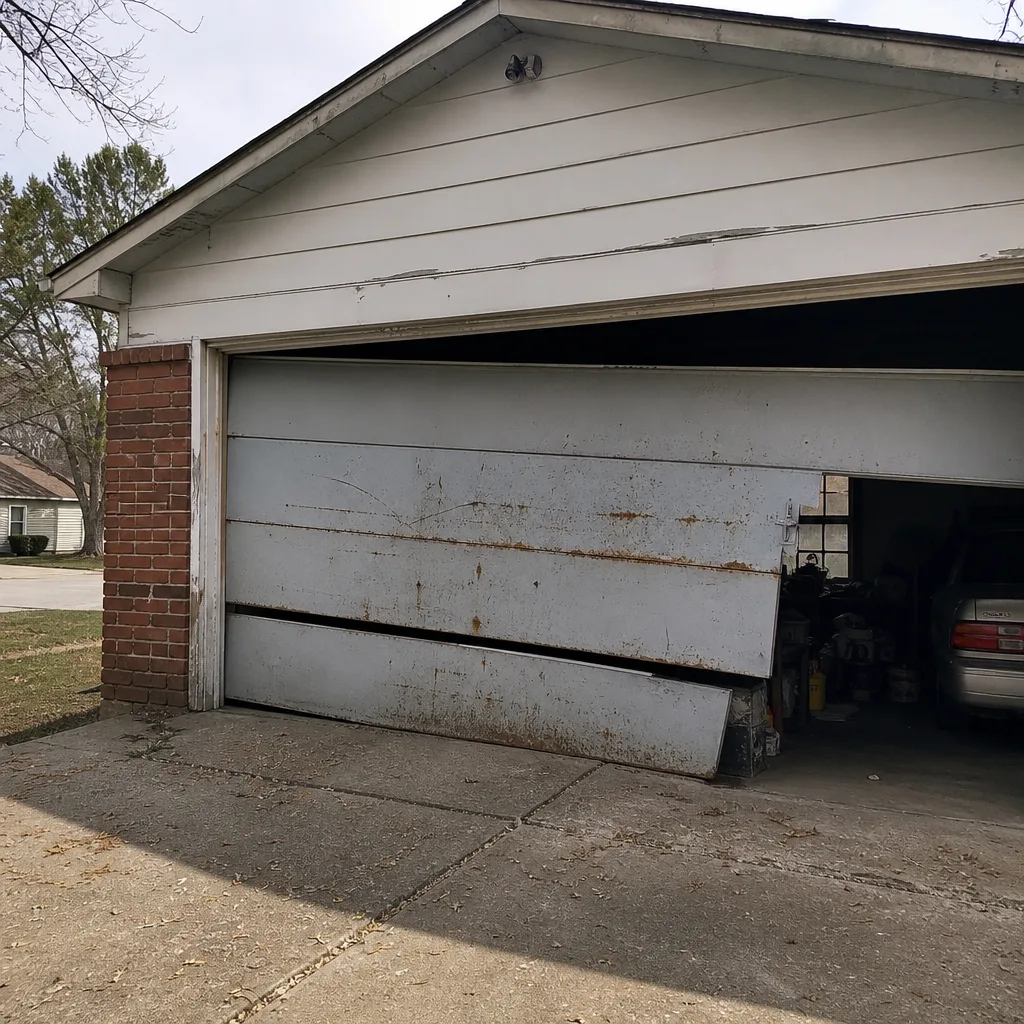 Before
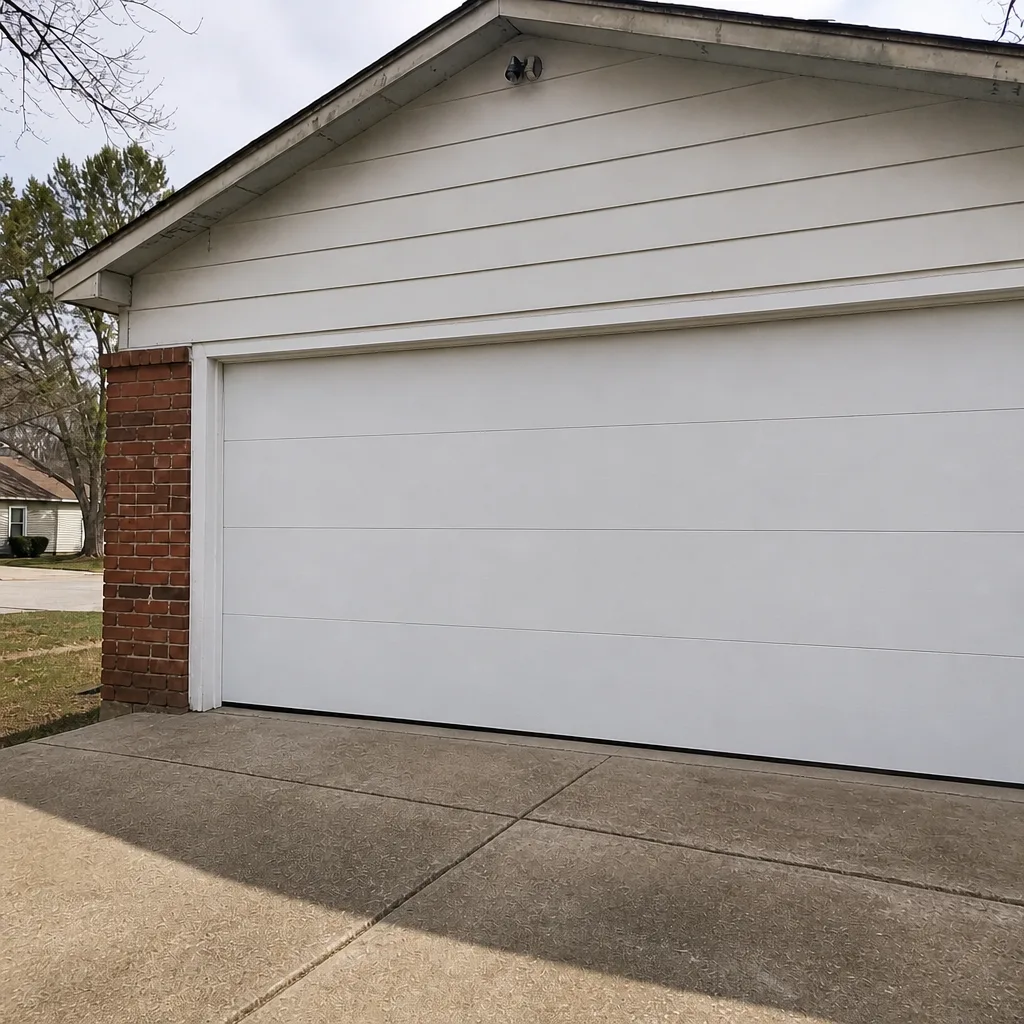 After
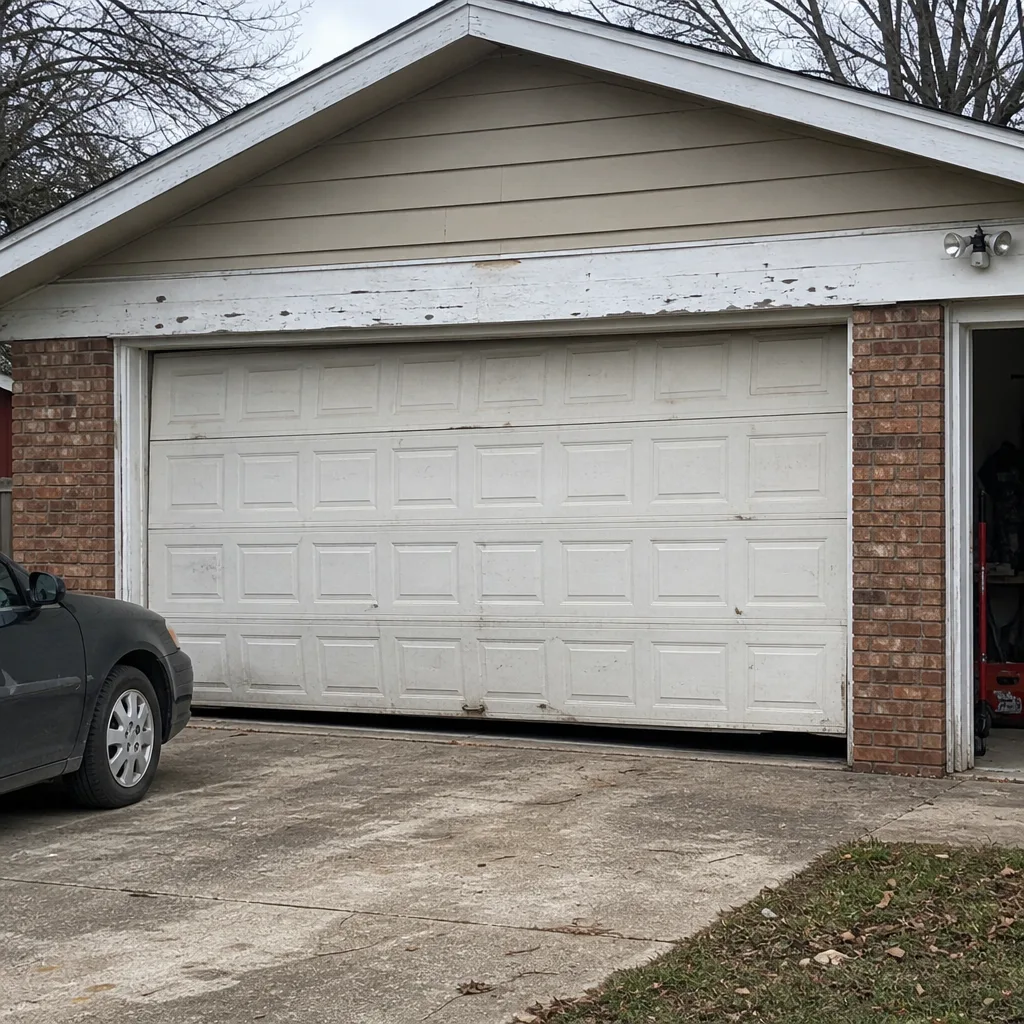 Before
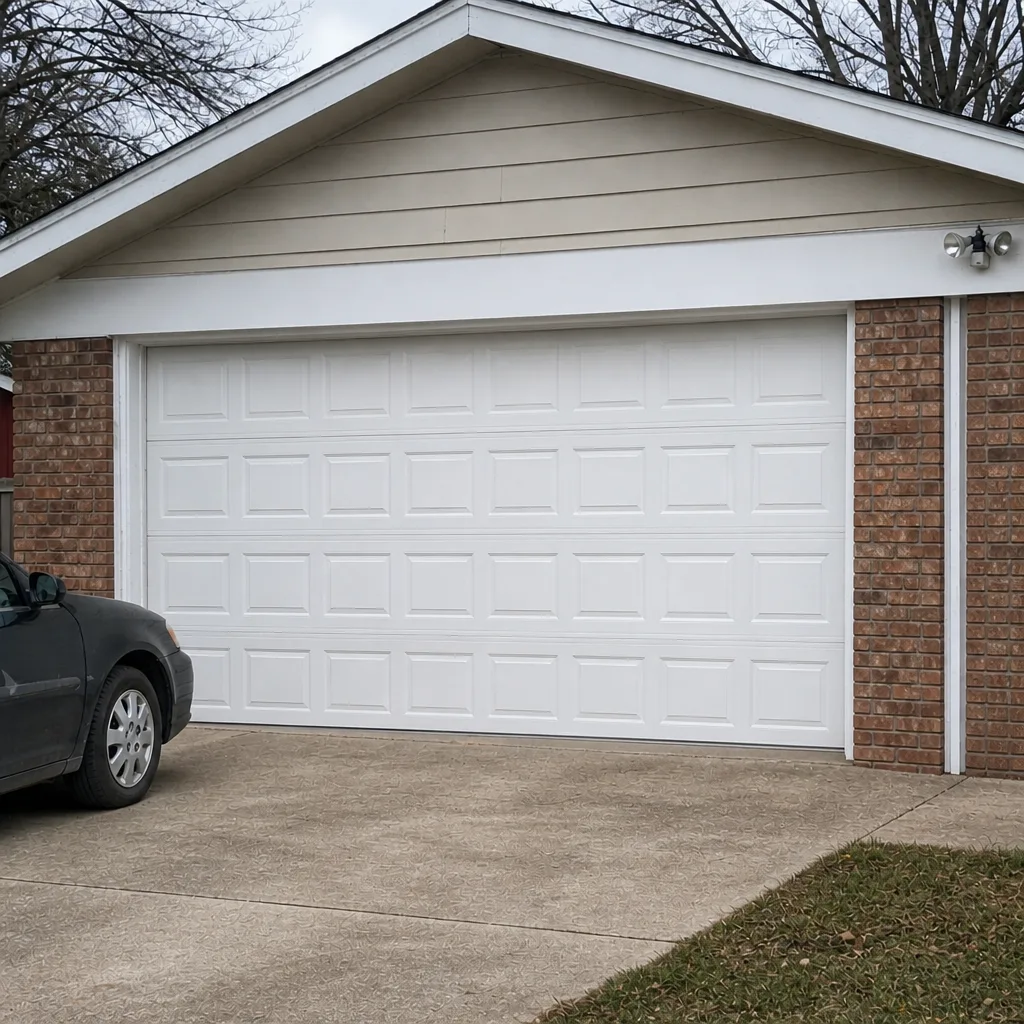 After
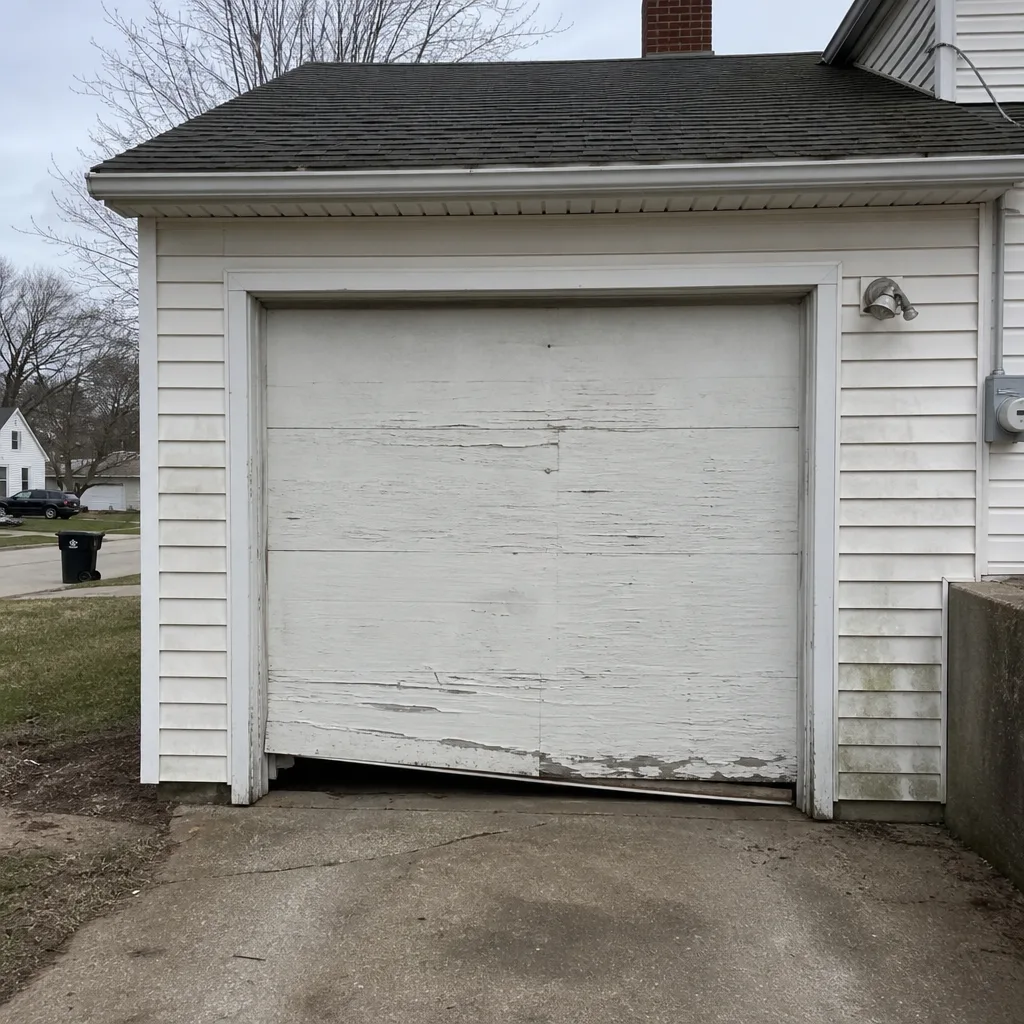 Before
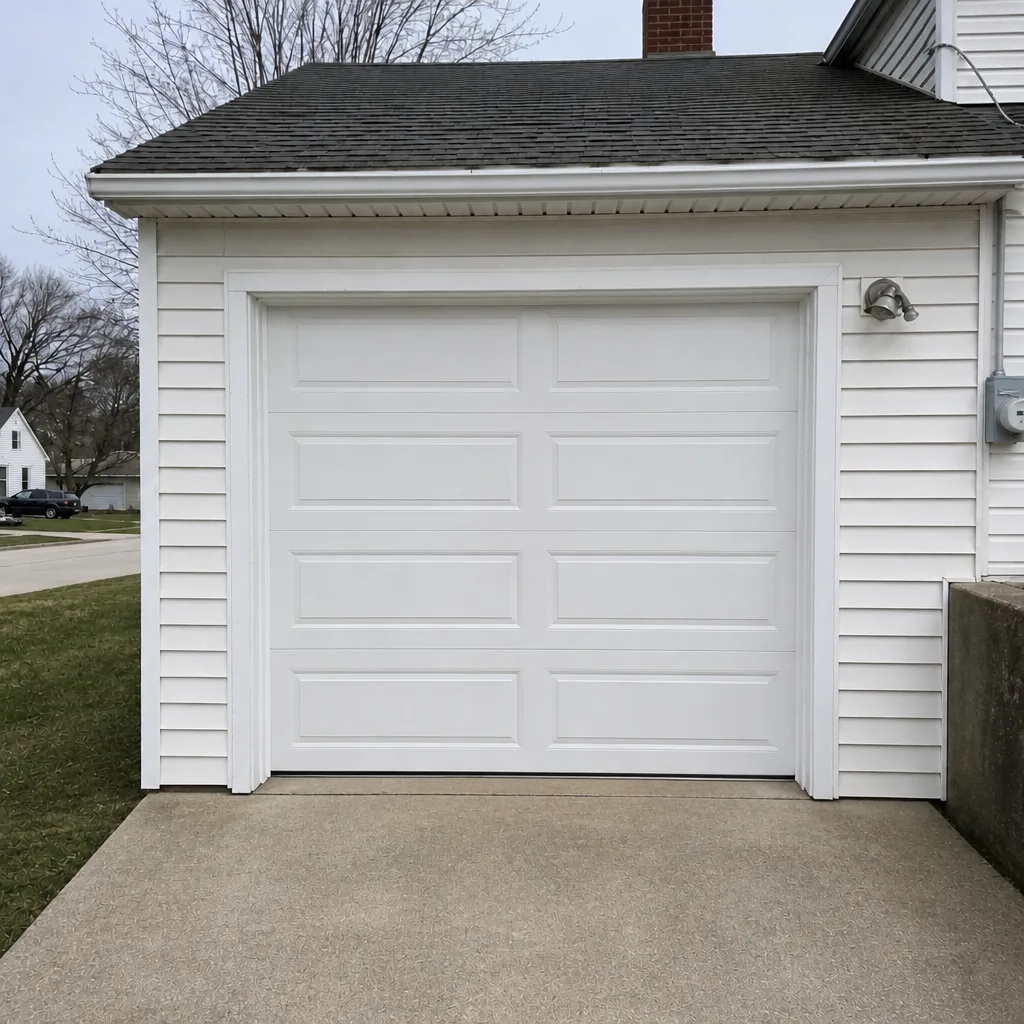 After