
Last updated November 21, 2026
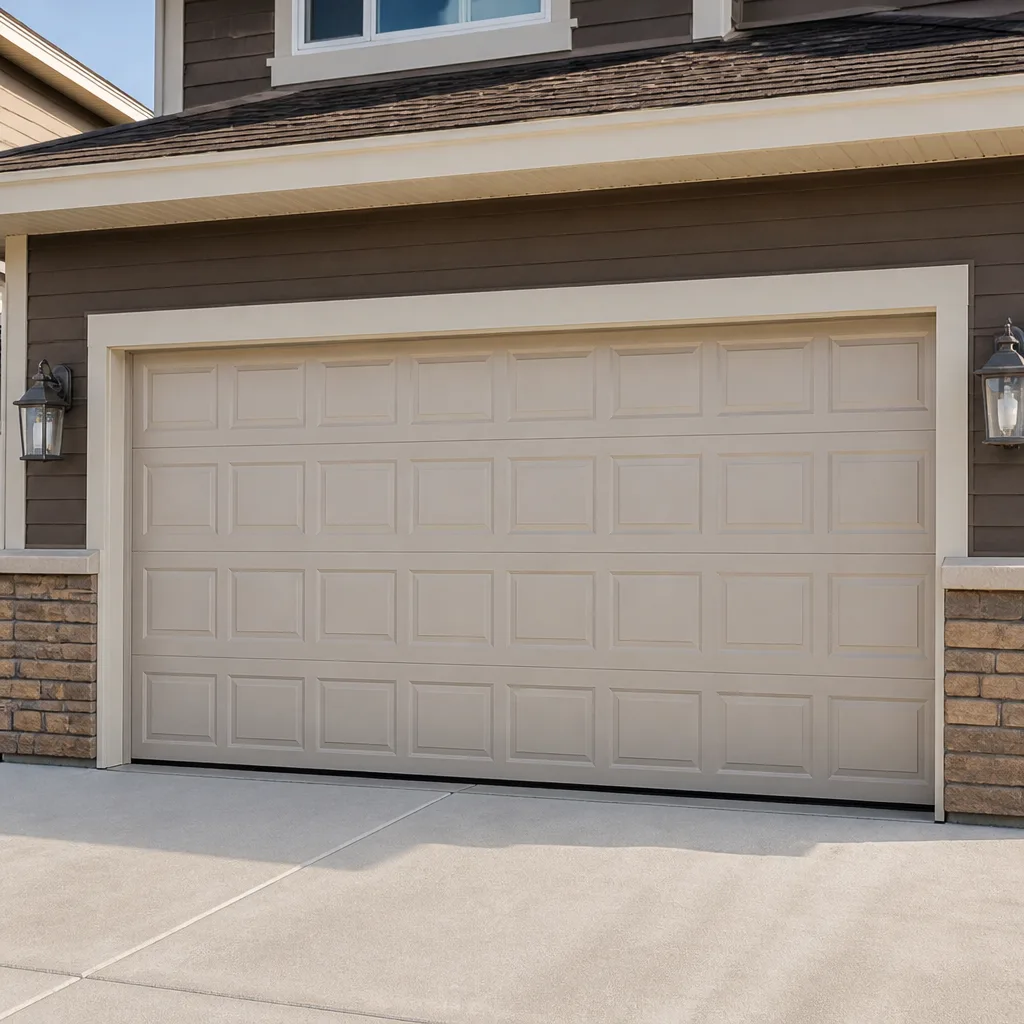 Raised-panel steel
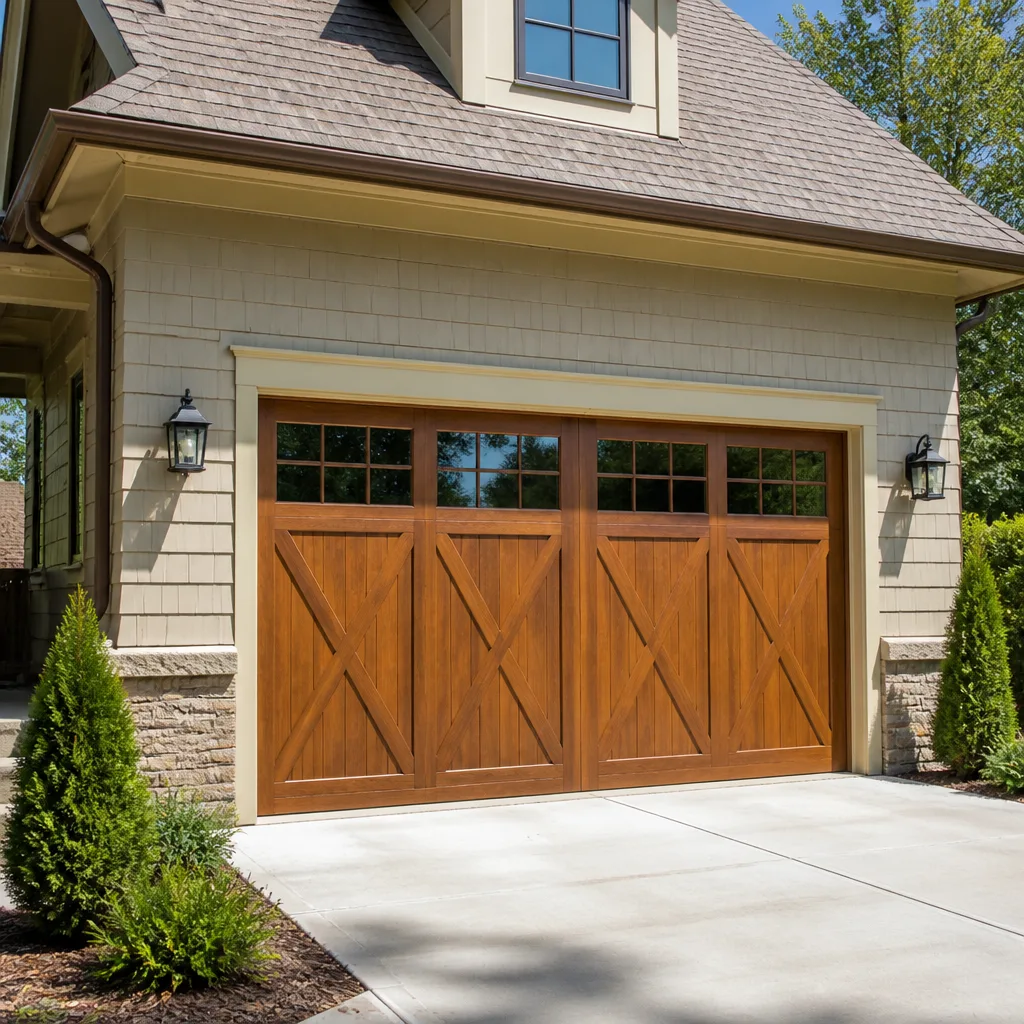 Carriage house
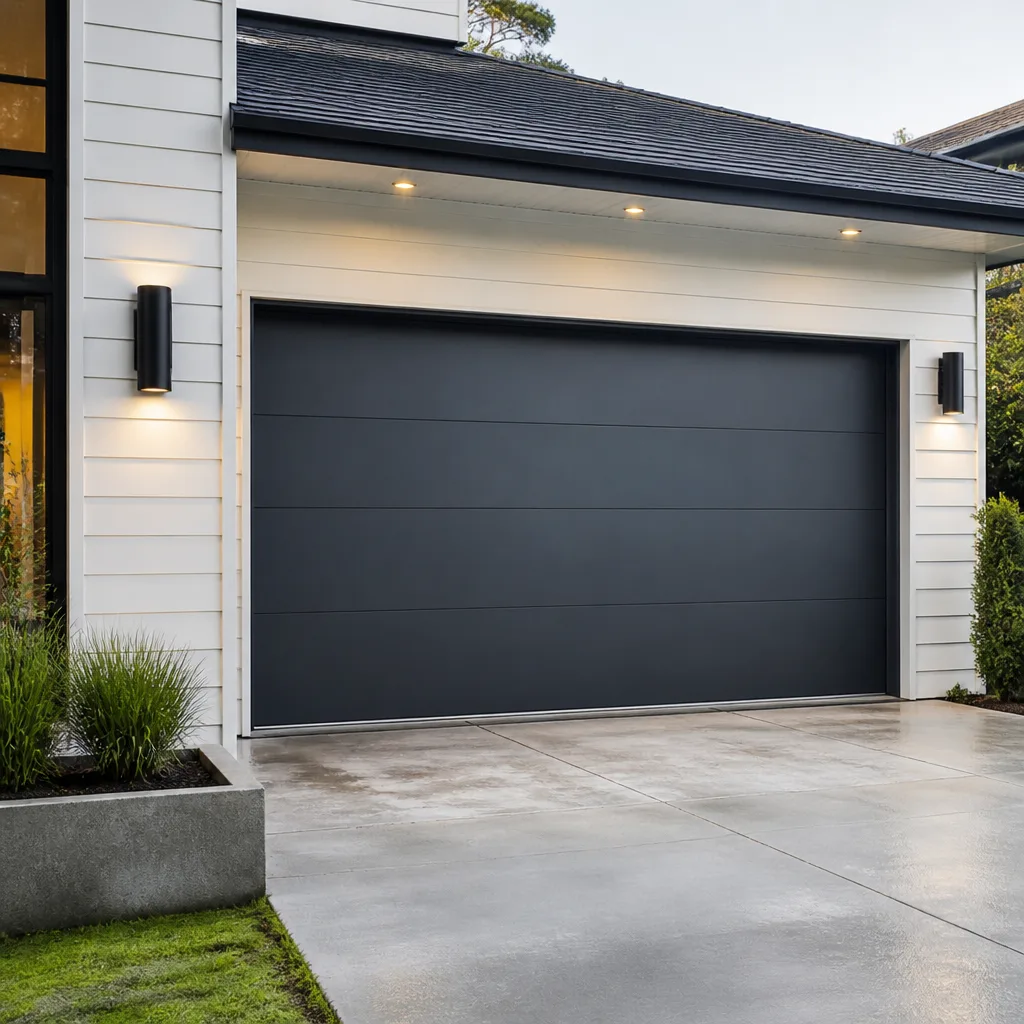 Modern flush
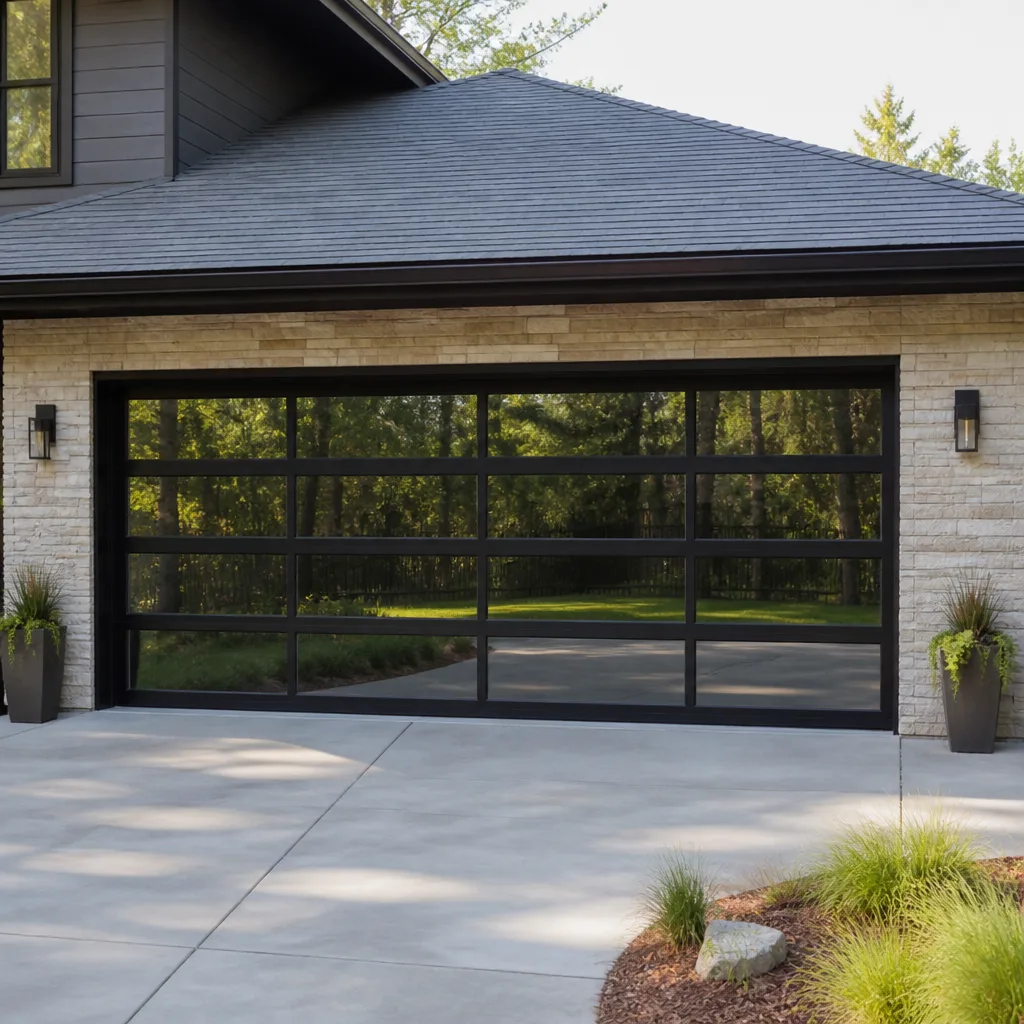 Full-view glass
 LiftMaster openers
 Chamberlain openers
Full 25-point door and opener safety check with every visit - springs, cables, rollers, tracks, and your LiftMaster or Chamberlain opener included
You get a price before we start. It does not change when the pro arrives.
Get your free estimateGarage Door Permits, Codes & Inspections in Southampton, MO: What You Need to Know
Here’s the part almost nobody tells you: when a garage door is damaged and you swap the door out quickly to close up the opening, skipping the permit feels like a practical shortcut. It isn’t free. That unpermitted replacement can give your homeowner’s insurance company grounds to reduce a claim on the next damage event, because the work that was supposed to protect the opening was never inspected. We’re Southampton Garage Door Repair Pros, and we’ve spent years watching homeowners discover this clause the hard way. This guide covers when a Southampton garage door project actually triggers a permit, what an inspection checks, how St. Louis County rules apply to older homes here, and the paperwork you should keep afterward.
Quick Answer
In Southampton, MO, a like-for-like garage door replacement (same size, same opening, same hardware) generally does not require a permit, but any change to the opening structure, door size, header, or electric opener wiring usually does. Because Southampton sits in St. Louis County, permit decisions are made by the county building department, and the only reliable answer for your address is a direct call to that office. Keep the permit and inspection record: insurers and future buyers ask for it.
Styles & brands we work with
- Raised-panel steel
- Carriage house
- Modern flush
- Full-view glass
- LiftMaster openers
- Chamberlain openers
Table of Contents
- When Does a Garage Door Project Need a Permit in Southampton?
- Like-for-Like Replacement vs. Structural Change: The Line That Matters
- How St. Louis County Code Applies to Southampton Homes
- Wind-Load and R-Value: Attached vs. Detached Garages
- What a Garage Door Inspection Actually Checks
- The Paperwork to Keep After Permitted Garage Door Work
- Common Mistakes to Avoid
- Frequently Asked Questions
When Does a Garage Door Project Need a Permit in Southampton?
Ask this question before you order a door, not after it’s leaning against the wall. In Southampton, the answer depends on whether you’re repairing what’s already there or changing the opening itself. Most of the confusion comes from treating those two things as the same job.
Missouri doesn’t hand homeowners a single statewide garage door permit rule. Building codes are enforced locally, and in Southampton that means St. Louis County’s building department sets the threshold. The county’s general logic is consistent with most jurisdictions: a permit is required when the project changes the building’s structure or its systems, and not required when you’re restoring an existing component to its original condition.
Use this breakdown as a starting frame, then confirm with the county:
- Single panel or section swap: Typically no permit. You’re replacing a component within the existing frame.
- Spring, cable, roller, or hinge replacement: Typically no permit. These are maintenance and repair items.
- Opener replacement, same model style, plugged into an existing outlet: Typically no permit. The electrical circuit itself isn’t altered.
- New opener wired to a new circuit or new outlet: Most jurisdictions treat this as electrical work and require a permit.
- Full door replacement, same size, same opening, same tracks: Often no permit, but confirm with St. Louis County – some offices want a record of the change.
- Door size change, wider or taller opening: Permit required. The header is being modified.
- New garage construction or converting a carport: Permit required.
- Reinforcing a header or replacing the frame: Permit required. This is structural.
The one thing we’d underline: don’t let anyone tell you “nobody pulls permits for garage doors.” That’s true for repairs. It’s not true across the board, and the consequences fall on you as the homeowner, not on the installer.
Like-for-Like Replacement vs. Structural Change: The Line That Matters
If there’s one concept that decides whether your Southampton garage door project needs a permit, it’s this: like-for-like means the opening doesn’t change. Change the opening, and the rules change with it.
A true like-for-like replacement means a door of the same dimensions goes into the same frame, on the same tracks, with the same springs rated for the same weight. Nothing about the structure of the house is being touched. Most homeowners doing a straight replacement on a Southampton house with an existing standard opening fall into this bucket, and the county generally doesn’t ask for a permit.
Where it breaks down is any change to the footprint of the opening. Common examples we see in Southampton:
- Widening the door to fit a larger vehicle or a two-car configuration. The header over the opening gets cut or rebuilt. That’s a structural change.
- Raising the door height for a taller vehicle. Same problem: the header gets modified.
- Converting a wall opening that wasn’t a garage door into one. That’s new construction of an opening.
- Adding a header beam or replacing a rotted one so a heavier door can be hung. Structural.
- Changing from a manual door to an electrically operated door that requires new wiring run to the panel. Electrical permit territory in most St. Louis County jurisdictions.
Why does the line exist? Because a garage door header is load-bearing. It carries the weight of the wall above the opening, and in a two-car garage on an attached structure, that header also bears part of the roof load path. Cut it wrong or replace it with undersized lumber and the failure doesn’t show up as a crack in the drywall – it shows up as the door sagging out of square and the opener working twice as hard. The permit isn’t paperwork for its own sake; it’s the mechanism that forces an inspector to look at the header before you close it up.
If you’re unsure which side of the line your project sits on, that’s the right moment to talk to someone who has looked at the opening. A quick conversation clears it up faster than guessing. When you’re ready, our garage door installation page walks through what a new door project looks like end to end.
How St. Louis County Code Applies to Southampton Homes
Southampton’s building stock is a big part of this story. Many homes here have garages that were built decades ago, and the code standards that applied when those openings were framed are not the standards that apply today. That gap is where permit questions get interesting.
St. Louis County enforces building codes at the county level for the unincorporated areas and many of the municipalities inside its footprint. Southampton’s permit office is the county’s, not a separate city department. That has two practical consequences for homeowners here:
First, the county reviews the structural details of the opening. If your project touches the header, they want to see the header sizing, the load it carries, and how it ties into the surrounding wall. That review is what makes a structural permit worth the money: it catches a header that wouldn’t hold before a door is hung on it.
Second, opener installation on older Southampton homes runs into header clearance issues. Older garage openings in Southampton were often framed with less clearance than today’s openers expect. A modern opener needs room for its rail assembly and enough headroom above the door so the door panels clear the track when they travel up. On a house where the original opening was sized for a manual door, that clearance can be tight or missing entirely. When the answer is “drop the header” or “build a soffit down,” you’re into permit territory – the county wants to see how the new structure is supported.
There’s also the question of drag and balance. A door that was sized for a manual lift doesn’t automatically work well with an opener, and some Southampton homeowners discover that the door itself needs to be shimmed or re-springs to balance correctly before an opener can be installed. That’s a repair conversation, not a permit one – but it often comes up in the same visit.
To confirm what your specific address needs, call St. Louis County’s building department. Give them the address, the scope of your project in plain terms, and ask whether a permit is required and whether the project triggers an inspection. Write down the name of whoever you speak with and the date. If a contractor later tells you something different, that note matters.
Wind-Load and R-Value: Attached vs. Detached Garages
When a permit is required, the county’s review usually touches two performance questions: how the door handles wind, and how insulated it is. Both are affected by whether the garage is attached to the house or freestanding.
Wind load is a rating of how much pressure the door face can take without permanent deflection or failure. Garage doors are a large, mostly-empty vertical plane, so they catch a lot of wind. St. Louis County has design wind speeds that apply to new installations and replacements, and the door’s engineering documentation speaks to whether a specific model meets that rating. During a permitted install, the inspector may review the door’s spec sheet against the rating the county requires for your location. This is the piece most homeowners never see, and it’s one of the strongest arguments for pulling the permit on a replacement – it’s the record that your door was specified to survive a storm.
R-value is the door’s insulation rating: how well it resists heat flow between the garage and the house or outside. On a detached garage, R-value is mostly about comfort and moisture. On an attached garage, it matters for the thermal envelope of the whole house. If the garage shares a wall or ceiling plane with conditioned space, an uninsulated door is a heat leak in winter and a heat grabber in summer. Southampton’s summers run humid and hot, and winters produce hard freezes; an attached garage wall sits right on that swing. A permitted replacement on an attached garage is often the point where R-value actually gets addressed, because the door has to be specified for the application.
The practical summary:
- Detached garage: wind load matters for safety; R-value matters for comfort and condensation.
- Attached garage: both matter; the county’s review may ask for the door’s rating documentation either way.
- Any structure: if the permit triggers an inspection, keep the door’s spec sheet. It tells any future buyer or insurer exactly what was installed.
What a Garage Door Inspection Actually Checks
An inspection isn’t there to make sure the door matches code on paper. It’s there to answer a simpler question: will this installation stay safe after the inspector leaves?
Here’s the sequence an inspector generally follows on a permitted garage door install or replacement in Southampton:
- Opening measurements against the approved plan. The door size, the opening width and height, and the header dimensions are checked against what was submitted.
- Header and structural connections. The inspector looks at how the header is supported and how the track hangers or door frame are anchored. Sagging or under-secured framing gets flagged.
- Door and spring specification. The door’s engineering data and the spring rating are checked against the load the door places on the system. Mismatched springs are a classic safety fail.
- Balance and travel. The door should move freely by hand and sit balanced at any halfway point. If the door is opener-operated, the opener’s force limits and safety reverse are checked.
- Electrical and safety features. If wiring was part of the project, that’s checked. The photo-eye safety reverse is tested.
- Final documentation. The inspector signs off, and the permit record closes.
What does the homeowner actually gain from this? Two things. First, an independent check that the installation is done correctly – not just that the door opens and closes. Second, a legal record that the work was permitted and inspected. When you sell a Southampton house, an inspector for the buyer will look at the garage opening, and a permit record that closes cleanly is the easiest answer to “was this done right?” If there’s no record and the door was replaced, you may end up explaining the missing permit to a buyer’s attorney.
One more note: the county inspector is not the same as your garage door professional. The inspector checks the completed work against code. The professional is the one who specifies and installs it. We take the inspection seriously because it’s the last line of defense on the two riskiest parts of the job – the springs and the header.
The Paperwork to Keep After Permitted Garage Door Work
Once the permit closes, the job is still not done for you. The documentation is the part that pays off later – when you sell, when you file a claim, when you need warranty service on a part.
Here’s what to keep, and why each item matters in Southampton:
- The closed permit record. The signed-off inspection is your proof that the structural work was reviewed. Get a copy from St. Louis County if you don’t have one. Store it with your property records.
- Installer’s license number and contact information. If the door fails or you need warranty service, you need the installer’s details on paper. Even if the installer is not around, the license number tells any future servicer or buyer that the work was performed by a documented professional. Ask for the license number in writing at the time of the estimate.
- Product spec sheets for the door and opener. The door’s engineering documentation (with wind load and R-value ratings) and the opener’s spec sheet. These are what the insurer asks for if there’s a future storm claim – and they’re what a buyer’s inspector asks for. Keep them with the permit record.
- Photos of the opening before, during, and after. Not required, but a file of shots showing the framing before the door was hung is the single most useful record if a question ever comes up about how the header was built.
- The final invoice with the scope of work itemized. If the scope on the invoice doesn’t match the permit, that gap can be a problem later. Keep them together.
For insurance purposes specifically, the combination of the closed permit and the door’s spec sheet is what lets your adjuster confirm what was installed. Without it, a claim on a future storm event can turn into a negotiation about what was actually there. This is the clause most Southampton homeowners have never read – not because it’s hidden, but because nobody explains it when they’re installing the door.
Common Mistakes to Avoid
- Assuming “no permit” applies to every replacement. The like-for-like rule is real, but it only covers jobs that don’t change the opening. Change the header, change the width, or run new wiring, and the rules change. Confirm with St. Louis County before you assume you’re clear.
- Pulling a permit for a repair you don’t need a permit for. This costs money and time and signals to the inspector that you don’t know the rules. A panel swap or a spring replacement doesn’t need a permit in Southampton. Ask first.
- Doing the electrical for a new opener without a permit. A new outlet or a new circuit for the opener is electrical work. The county will want to see it, and an electrician’s work without a permit can complicate a future home sale.
- Keeping no record of the installer’s license number. When the door needs warranty service in three years, the license number is what gives you leverage. Get it in writing when the estimate is given.
- Throwing away the door’s spec sheet. That document carries the wind-load and R-value ratings the county reviewed. It’s the same document your insurer will want later. Keep it with the permit.
- Letting a contractor talk you out of a permit. If the project touches the structure and a contractor says “we don’t need one,” ask them to put that in writing. If they won’t, that’s your answer.
- Skipping the inspection follow-up. The permit isn’t done until the inspection is signed off. If the permit was pulled and the inspection never happened, the record stays open, and that can come up during a sale.
- Ignoring the header on older Southampton homes when adding an opener. Header clearance is the most common surprise on older homes. If the header needs to be modified, that’s permit territory – not a quick afternoon job.
See the difference
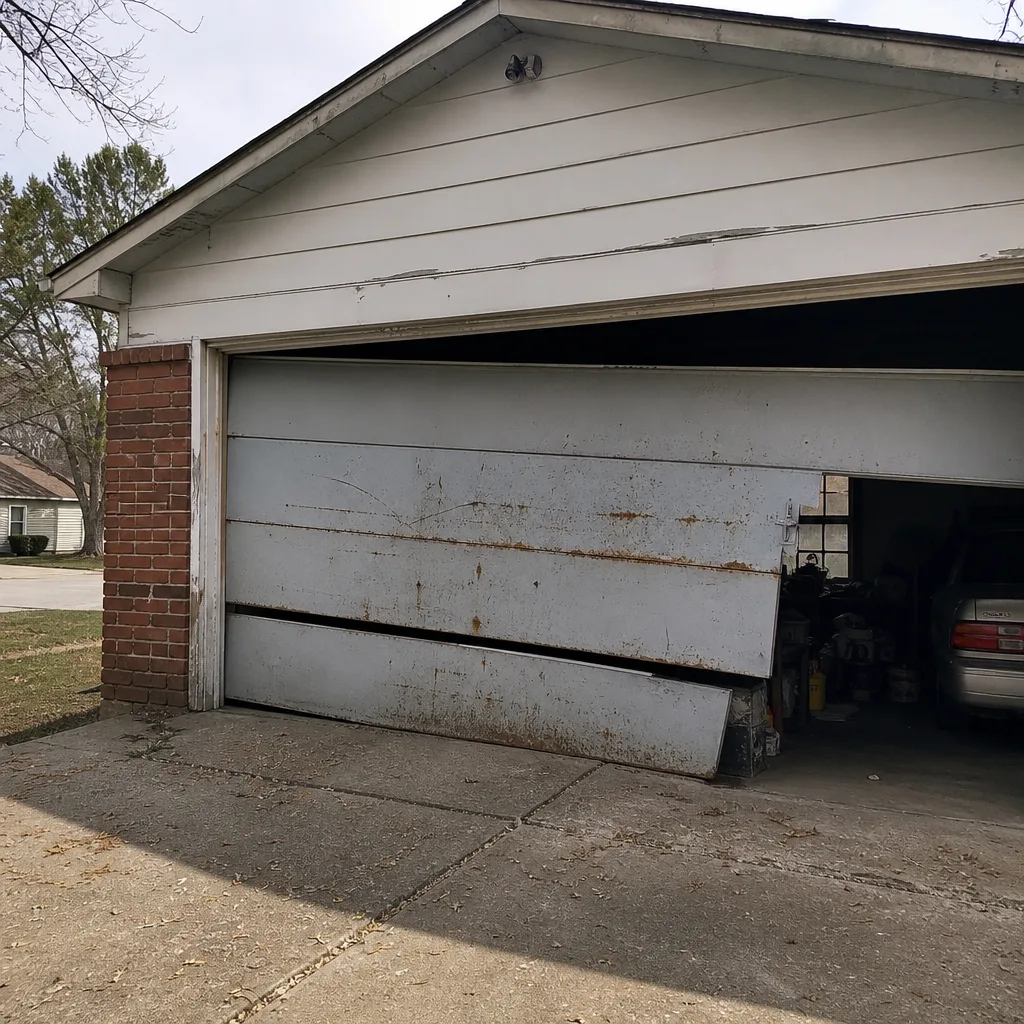 Before
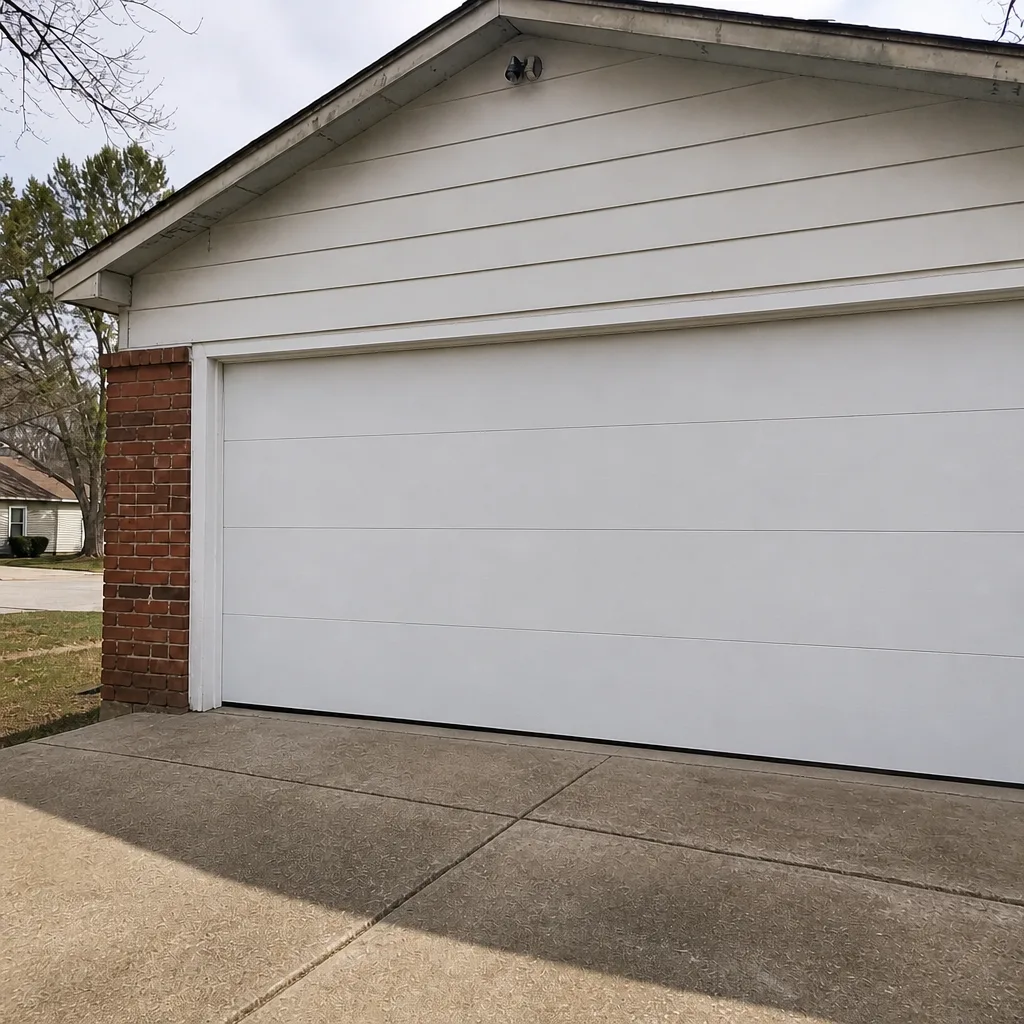 After
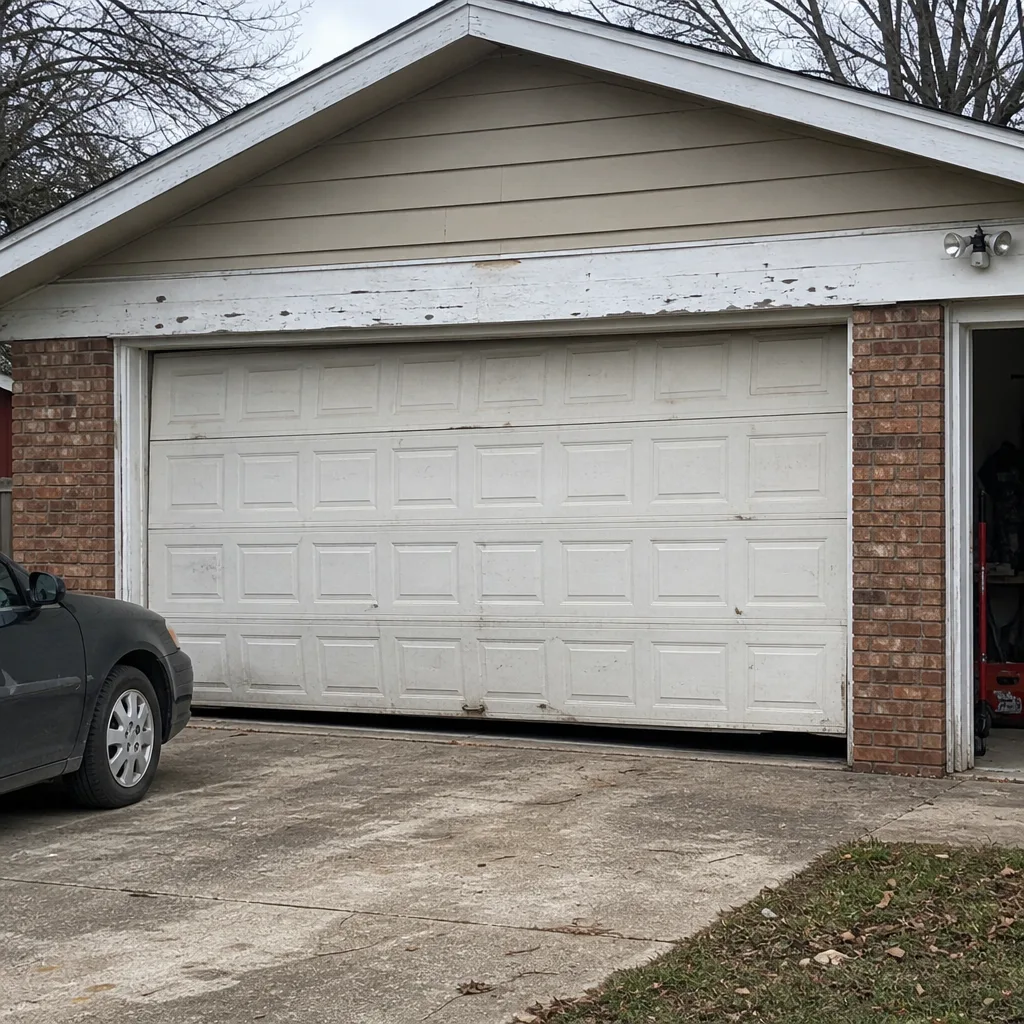 Before
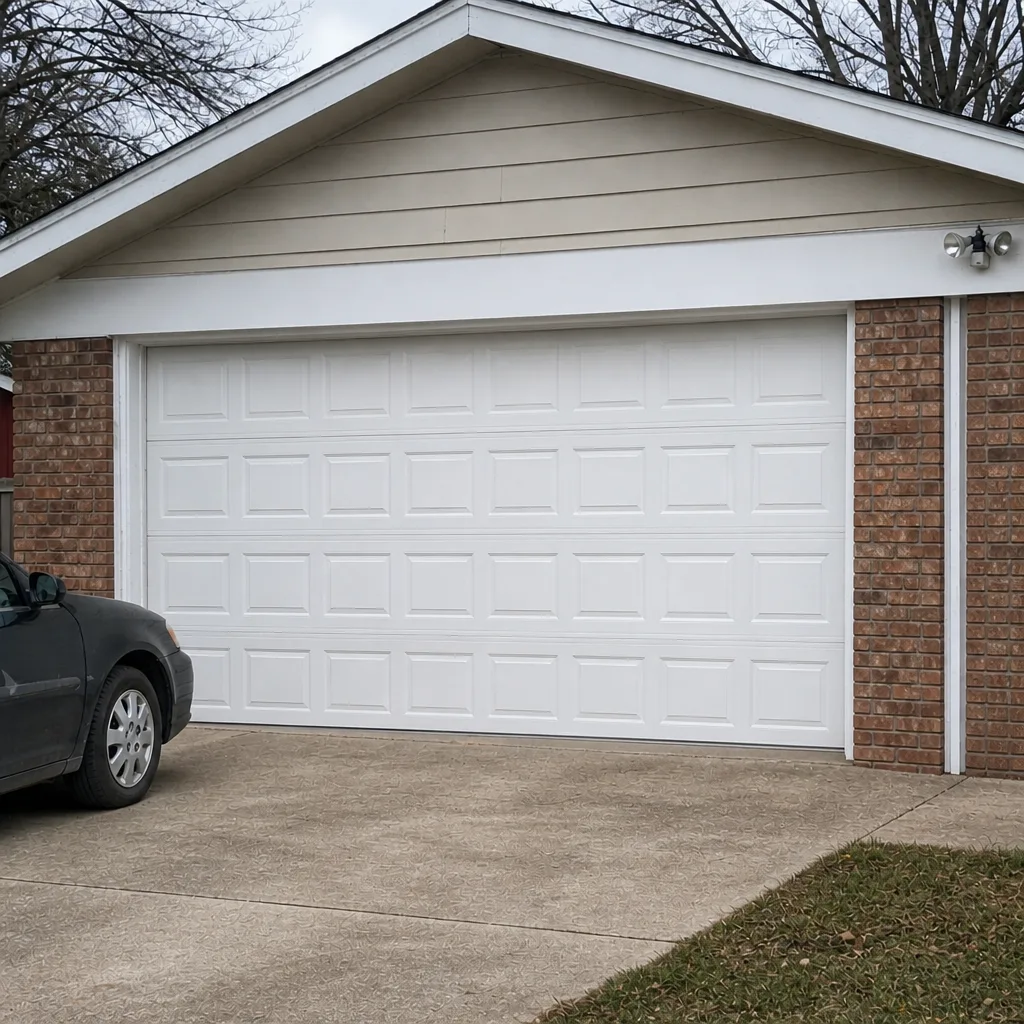 After
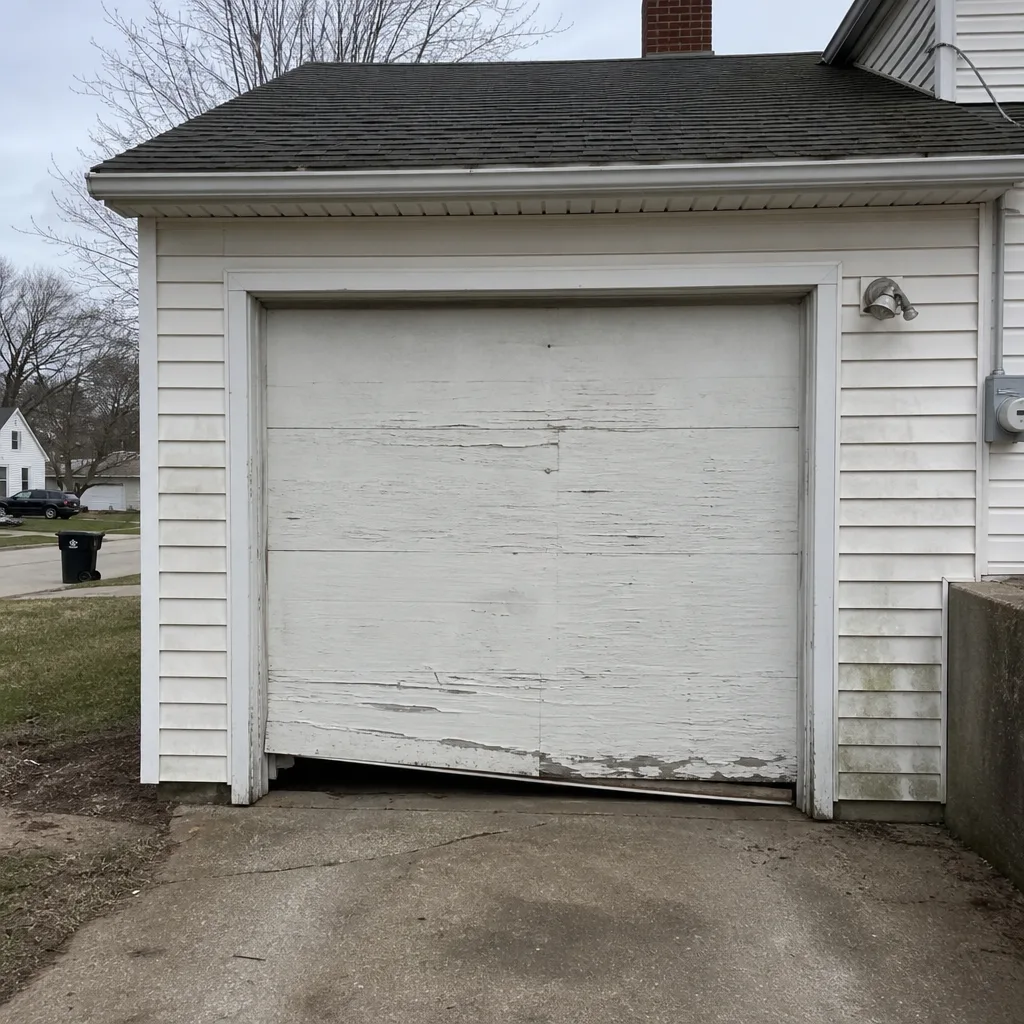 Before
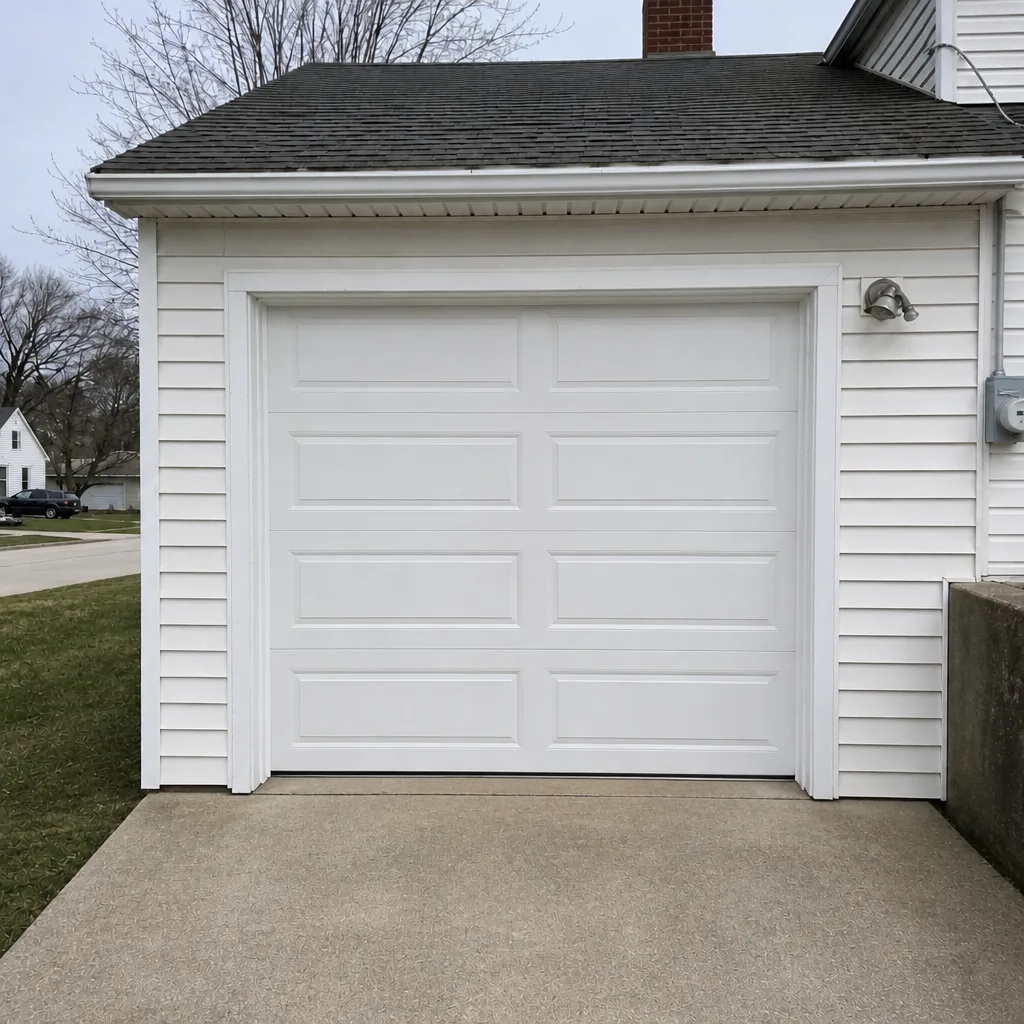 After
When to Call a Professional
Some garage door work is a straightforward repair; some of it can hurt you. Springs and cables are under high tension, and a torsion spring that lets go while you’re working on it can cause serious injury. Electrical work for a new opener runs into the panel and into the county’s electrical requirements. And any project that touches the header is a structural question you don’t want to answer by guessing.
If your Southampton project involves any of the following, call us before you start:
- A spring or cable that has broken or is visibly worn
- An opener that needs a new circuit or a new outlet
- A door that needs to be resized, raised, or re-framed
- An older opening that doesn’t have the clearance for a new opener
- A storm-damaged door that may need more than a panel swap
Southampton Garage Door Repair Pros offers free estimates in Southampton. We’re a garage door specialty company, and we work on the brand you already own – LiftMaster, Chamberlain, Genie, Wayne Dalton, and others. Our technicians have up to 14 years of experience, and we can talk through the permit question on your project and point you to St. Louis County for the final answer. Call (866) 809-2029. We answer 24/7, with fast dispatch from 7am to 7pm, Sunday through Friday. Every price is quoted and agreed before any work starts, and the written estimate sets the final price.
For a straight repair, our garage door repair page covers what to expect. For opener issues, see garage door opener repair. And if you’re still in the planning stage, the main Southampton Garage Door Repair Pros page lays out the full service range.
Frequently Asked Questions
It depends on whether the opening changes. A like-for-like replacement – same size, same tracks, same header, no new wiring – generally does not require a permit in Southampton, but any change to the opening’s size, structure, or a new electrical circuit for an opener usually does. Confirm with St. Louis County’s building department for your specific address before you order the door. If you want a straight answer on the scope, call (866) 809-2029 for a free estimate. We answer 24/7.
A repair restores an existing component within the current opening; a replacement swaps the door but keeps the opening the same; a structural change modifies the opening itself. Only the structural change reliably triggers a permit. Resizing, raising, or reinforcing the header is the dividing line. In our experience, that’s the piece most homeowners don’t hear until the door is already off and the question is late. Call (866) 809-2029 if you’re unsure which category your project falls into – estimates are free.
Possibly, yes. Many policies give the insurer grounds to reduce a future claim if the work that was supposed to protect the opening wasn’t inspected or documented. The closed permit and the door’s spec sheet are the records that let an adjuster confirm what was installed. We can’t speak for your insurer, but the record is the cheapest protection you have. Call (866) 809-2029 to schedule a free estimate and we’ll talk through the documentation to keep.
If the project requires a permit, it generally requires an inspection before the permit closes. The inspection checks the header and structural connections, the door and spring specification, balance and travel, and any electrical work. The county inspector signs off, and the permit record closes. The exact requirements for your address come from St. Louis County’s building department. Call (866) 809-2029 for a free estimate and we’ll walk through the parts of the installation the inspection will focus on.
Usually not if you’re replacing the opener and plugging it into an existing outlet, but likely yes if the installation requires a new outlet, a new circuit, or new wiring run back to the panel. Electrical work is the trigger. On older Southampton homes, we also look at header clearance before we spec an opener, because a door that was framed for a manual lift may not have the height a modern opener needs. Call (866) 809-2029 for a free estimate.
Keep the closed permit and inspection record, the installer’s license number, the door’s spec sheet with wind-load and R-value ratings, the opener spec sheet, photos of the opening before and after, and the itemized final invoice. Store all of it with your property records. The combination is what an insurer or future buyer asks for when they want proof the work was done and inspected. Call (866) 809-2029 and we’ll help you assemble what’s needed.
Southampton’s summers are humid and its winters bring hard freezes, so an attached garage benefits from an insulated door with a meaningful R-value to reduce heat flow between the garage and the house. Detached garages benefit from insulation for comfort and condensation control. The door’s spec sheet should show its ratings, and on a permitted replacement the county may review that spec against what’s required for your location. Call (866) 809-2029 for a free estimate.
The Bottom Line
Permits for garage door work in Southampton come down to one question: are you restoring what’s there, or changing the opening? Restoring a door within its existing frame usually doesn’t need a permit. Changing the header, resizing the opening, or running new wiring almost always does. The county office that decides is St. Louis County’s building department, and their answer for your address is the one that counts. Keep the paperwork when the project is done: the closed permit, the installer’s license number, and the door’s spec sheet, because those are what your insurer and any future buyer will ask for. Most of the cost of a missed permit isn’t the permit itself – it’s what happens to a claim years later. If you’re not sure which side of the line your project is on, call us and we’ll help you sort it out before anyone picks up a tool.
Southampton Garage Door Repair Pros covers the full lifecycle – repair, opener repair, spring repair, installation, and parts – and we work on the brands you already own. For a free estimate, call (866) 809-2029. We answer 24/7. Fast dispatch from 7am to 7pm, Sunday through Friday, closed Saturday. Same-day service is available for repairs, and every price is quoted and agreed before any work starts.
Written by the team at Southampton Garage Door Repair Pros.