
Last updated November 21, 2026
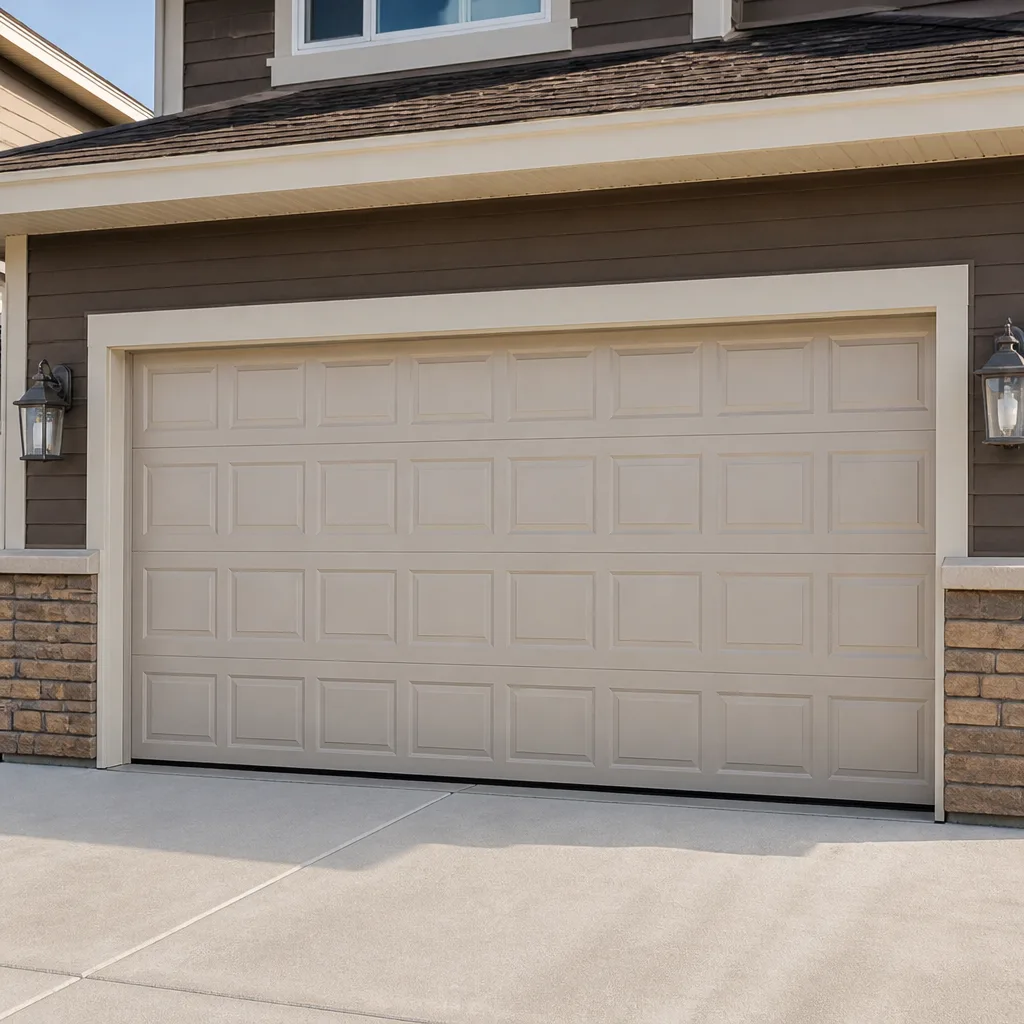 Raised-panel steel
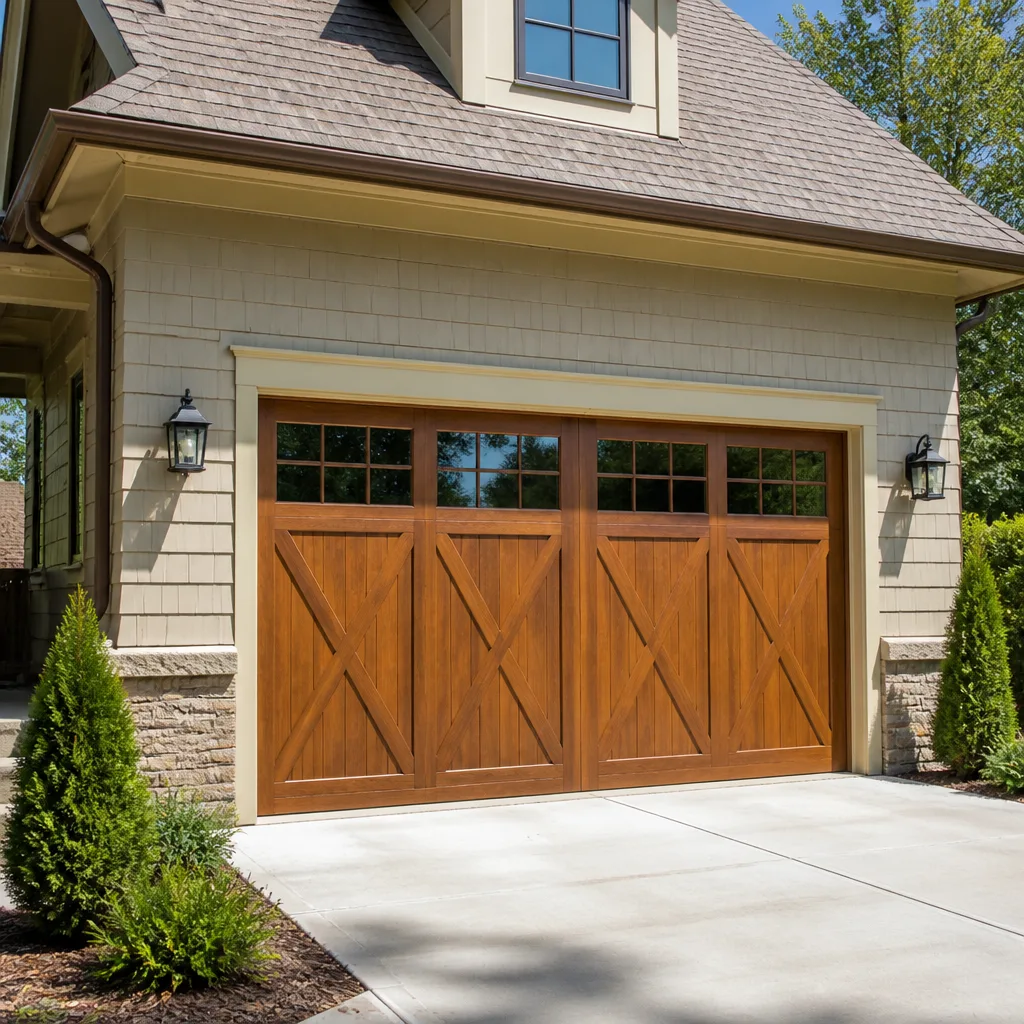 Carriage house
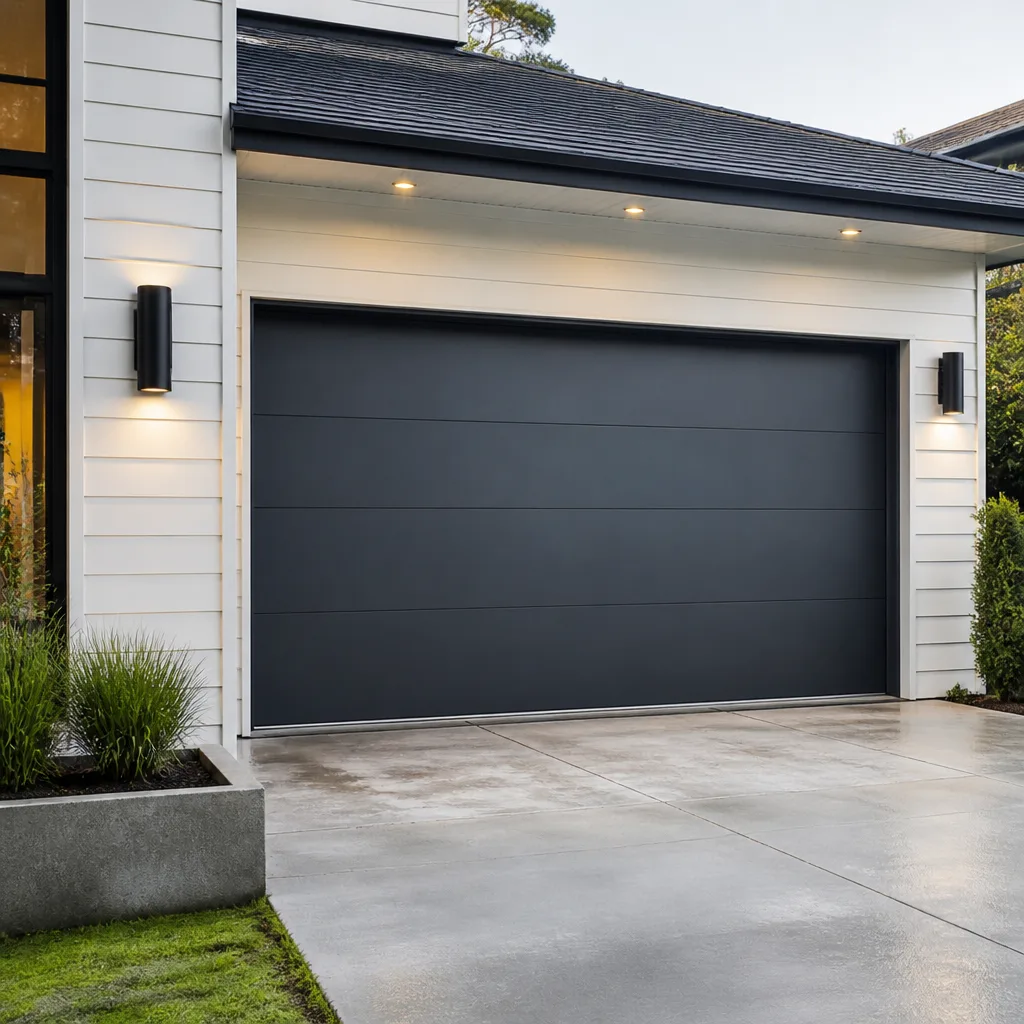 Modern flush
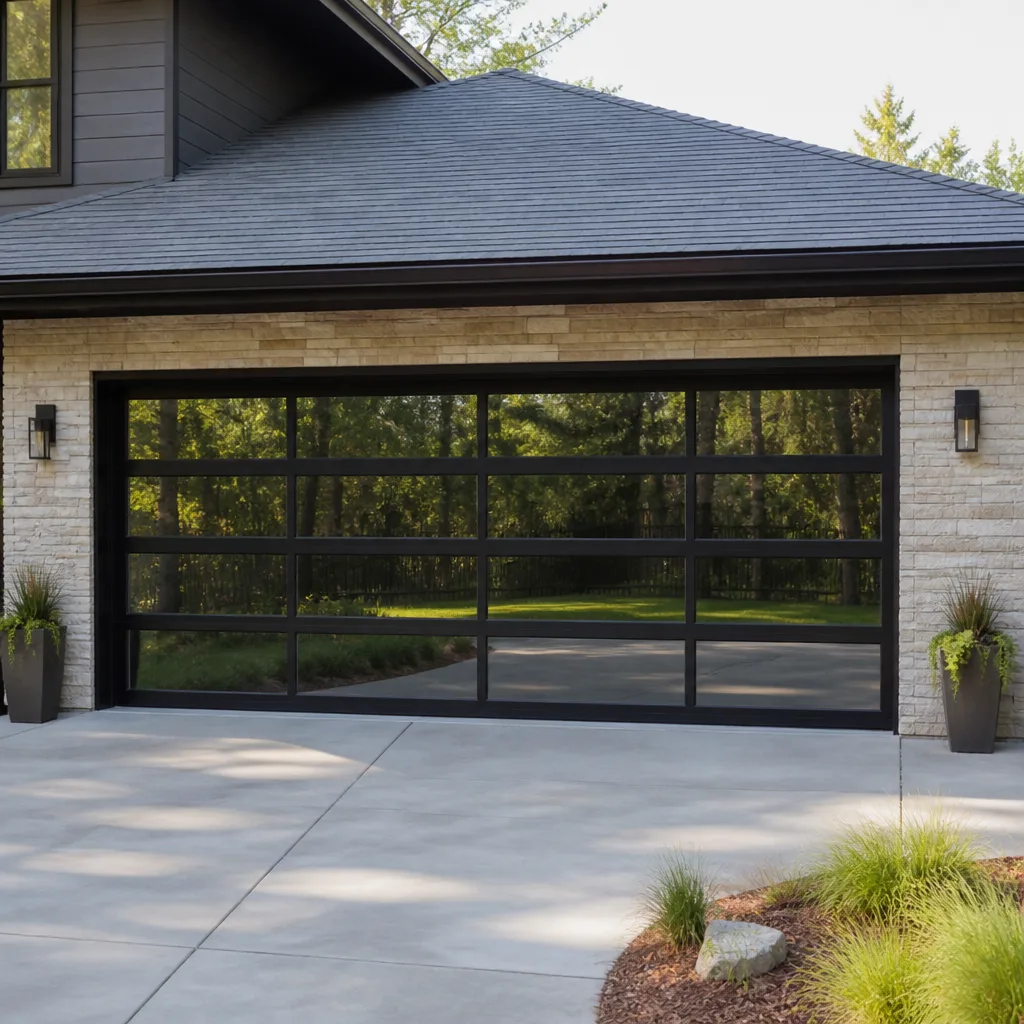 Full-view glass
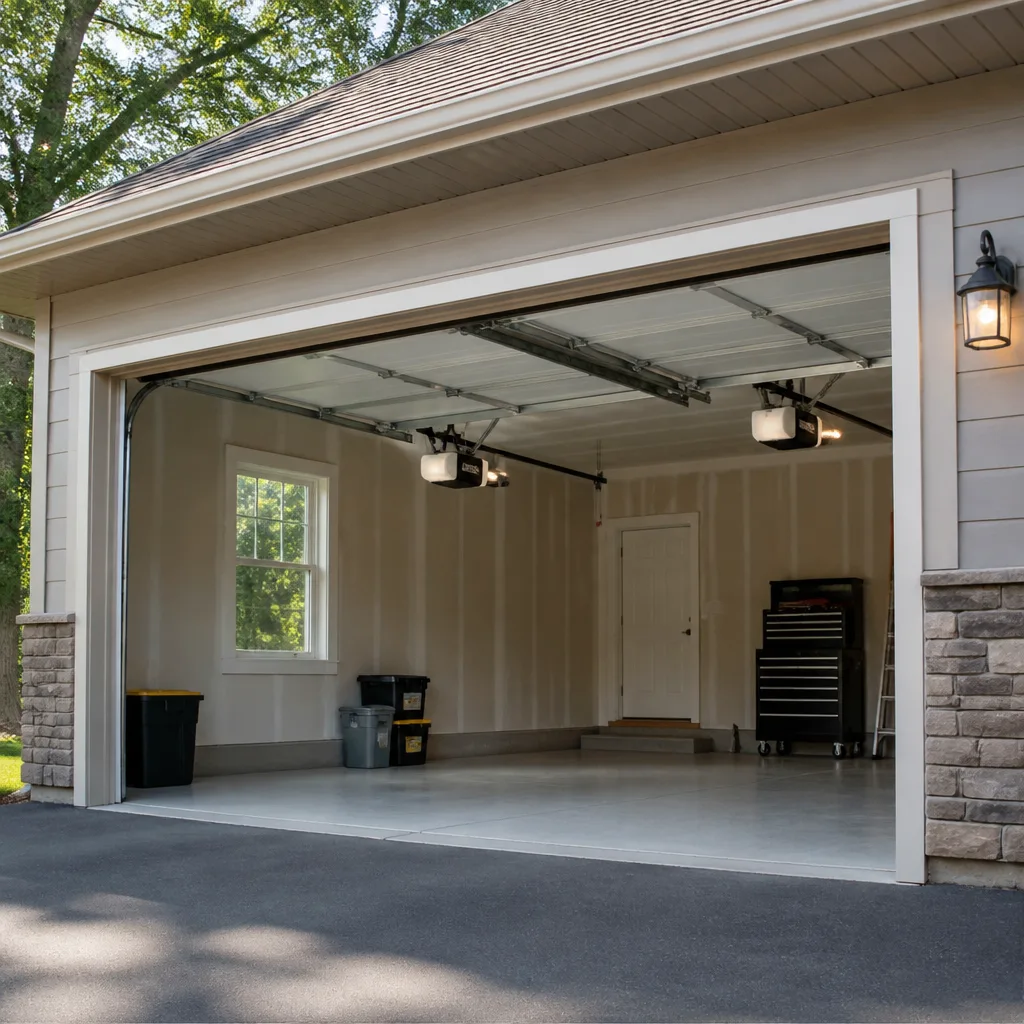 LiftMaster openers
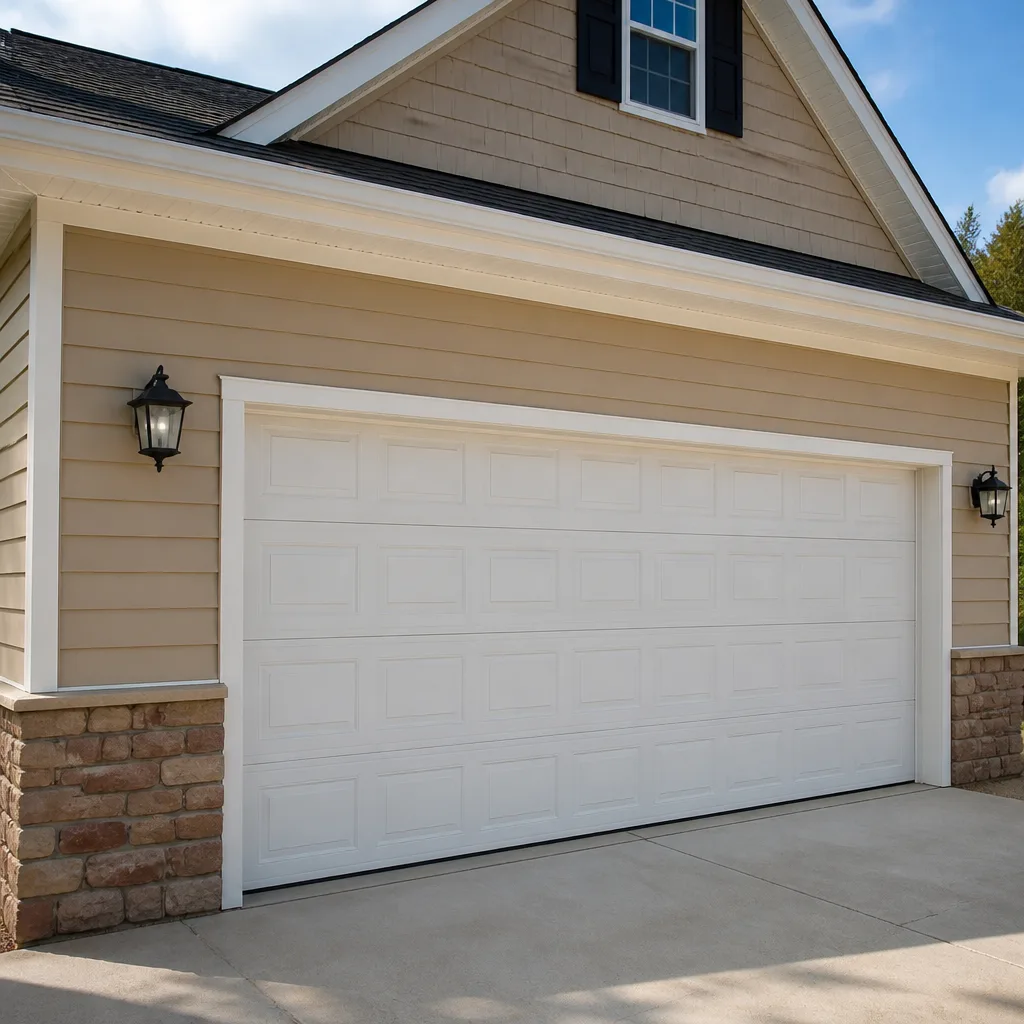 Chamberlain openers
Full 25-point door and opener safety check with every visit - springs, cables, rollers, tracks, and your LiftMaster or Chamberlain opener included
You get a price before we start. It does not change when the pro arrives.
Get your free estimateGarage Door Warning Signs: A Southampton Homeowner’s Reference Guide
A door that takes three seconds longer to close than it did six months ago is not “getting old.” That hesitation is force-limit drift in the opener motor, a measurable change in how much resistance the motor is meeting before it reverses or stalls. Left alone, that drift wears the drive gear and, in our experience, leads to a full opener failure far sooner than most homeowners expect. Garage doors rarely fail without warning. They fail in a sequence, and every step in that sequence has a symptom you can hear, see, or feel. This guide walks Southampton homeowners through that sequence so you can act at the small-repair stage instead of the emergency stage.
Quick Answer
Most garage door failures announce themselves through four channels: sound, visible gaps or sagging, travel speed and smoothness, and opener behavior. A grinding, squealing, popping, or rattling door each points to a different failing component. Any door that reverses unexpectedly, hesitates on start, or shows a bottom gap wider on one side is past the monitoring stage and needs a professional look. Catching these signs early keeps the repair small and the price predictable.
Styles & brands we work with
- Raised-panel steel
- Carriage house
- Modern flush
- Full-view glass
- LiftMaster openers
- Chamberlain openers
Table of Contents
- Why Garage Door Failures Follow a Sequence
- The Sound Diagnostic Map: What Each Noise Tells You
- Visual Gap Analysis: What Uneven Gaps and Bowed Panels Mean
- The 30-Second Speed and Smoothness Test
- Opener Warning Signs Before Complete Breakdown
- Weather Symptoms vs. Mechanical Failure in Southampton
- Cables, Springs, and Why They Are Not a DIY Job
- The Escalation Ladder: Monitor, Service, or Call Now?
Why Garage Door Failures Follow a Sequence
A garage door is a balanced system. Springs hold the door’s weight, cables transfer that tension to the bottom corners, rollers guide the panels along the track, and the opener supplies only a small push to get the whole thing moving. When any one part starts to wear, the others absorb the extra load. That is why a worn roller or a dry hinge can eventually stress a spring, and why a spring losing tension forces the opener to work harder than it was designed for. The first symptom you notice is rarely the part that is actually causing the problem.
This is what makes the sequence so useful. A door does not go from smooth operation to sudden failure in a day. It passes through stages, and each stage leaves a clue:
- Early stage: Slight noise changes, a faint rattle, or a door that moves marginally slower. The system is still balanced, but a component is wearing.
- Middle stage: Noticeable grinding or squealing, a small gap at one corner, rollers that look worn, or an opener that hesitates before moving.
- Late stage: The door binds, reverses mid-travel, sags visibly, or a cable goes slack. The opener is compensating for a failing mechanical part.
- Failure: A snapped spring, a cable off its drum, or a burned-out opener gear. This is when the door stops working entirely.
Southampton’s older housing stock and its swings between humid summers and cold Ozark winters put doors through repeated expansion and contraction. Wooden door panels and older steel doors take the most punishment. If you know the sequence, you can time your repair to the middle stage, when the fix is usually a single component rather than a whole system. Our garage door repair service is built around exactly that kind of early diagnosis.
The Sound Diagnostic Map: What Each Noise Tells You
Every garage door noise has a source, and the four most common sounds point to four different failing components. Before you call anyone, stand inside the garage and listen with the door running. Note where the sound comes from: the tracks, the hinges at the panel joints, the torsion bar above the door, or the opener rail on the ceiling.
- Grinding usually comes from the bottom of the door or from the opener. A metal-on-metal scrape at the tracks means worn or flat-spotted rollers dragging instead of rolling. A grind from the ceiling unit is the opener’s drive gear wearing down, which is the failure the force-limit drift accelerates.
- Squealing is almost always friction at a hinge, roller stem, or the torsion bar bearings. It is the most fixable sound on the list. A dry hinge squeals before it seizes, and a seized hinge transfers stress to the panel it holds.
- Popping is the one to take seriously. A pop during travel, especially from above the door, points to spring or cable tension releasing in steps. A torsion spring that pops is telling you it is close to failing, and a failing spring on a high-tension system is genuinely dangerous to work around.
- Rattling points to loose hardware: hinge bolts, track brackets, or the opener’s chain or belt. It is the least urgent sound, but a loose bracket lets a panel shift out of alignment, which then wears the rollers unevenly.
Location matters as much as the sound. A grinding that follows the door up the tracks is a roller problem. A grinding fixed at one spot is a bent track or a damaged panel edge. A squeal that changes pitch as the door rises is a hinge at a panel joint. Once you know the location, you know which part to look at, and a technician can confirm it quickly instead of working through the whole system.
Visual Gap Analysis: What Uneven Gaps and Bowed Panels Mean
Look at the door from inside the garage with it fully closed. The bottom seal should meet the floor evenly across its full width, and the vertical gaps at each side should be equal. Uneven gaps, bowed panels, and slack cables form a visible escalation sequence of their own.
Stage 1: Monitor
A slight gap at one bottom corner under a quarter-inch, with an otherwise level door, is usually a seal or a floor issue. Doors settle, concrete floors are rarely perfectly flat, and weatherstripping compresses over time. Note it and check it again in a few weeks.
Stage 2: Book a Service
A gap you can see light through, wider on one side than the other, or a door that visibly tilts as it rises, means one side is carrying more load than the other. That almost always traces to a spring losing tension or a cable stretching. This is the stage where a single service visit saves a much larger repair later.
Stage 3: Call Now
A bowed panel, a cable hanging slack or visibly off its drum, or a door that sits crooked in the opening at rest means the system has already failed somewhere and the opener is now pulling against it. Stop running the door. A slack cable on a torsion system can snap free without warning, and the tension is high enough to cause serious injury.
We see this progression often in Southampton homes with original wooden doors, where panels absorb moisture and swell. The gap starts small and widens over a season. A Clopay or Amarr steel door is less prone to swelling, but its panels can still bow if a track gets bent by a bumped bumper or a shifted bracket. Our garage door installation team uses this same gap check on every replacement job, so the new door sits level from the first day.
The 30-Second Speed and Smoothness Test
A properly working door should sound the same from start to finish. Run this test once a month. It takes about 30 seconds and tells you more about your door’s health than any visual inspection.
- Watch the full cycle. Open the door, then close it, and watch from the side. The motion should be one continuous, even rhythm. The door should not slow down, speed up, or lurch during travel.
- Listen for consistency. The sound should not change as the door rises. A door that is quiet at the bottom and gets louder near the top has a track or alignment problem.
- Time the travel. A standard residential door runs its full cycle in a steady, even time. If it is noticeably slower than it was the last time you timed it, the opener is compensating for resistance or a spring is losing tension. Speed loss is your earliest reliable warning.
- Watch the door at the open position. A door that hangs slightly crooked at the top, or sags at one side when fully open, is not balanced. Balance problems come from springs and cables, not the opener.
- Check the close. The door should close smoothly and stop without slamming. A door that bangs at the floor is a spring or force-limit problem. A door that reverses mid-close is a safety sensor or force-limit problem.
If the door passes all five checks, it is in good shape. If it fails one, note which one, because the specific failure tells a technician what to test first. This is the single most useful 30 seconds a Southampton homeowner can spend on their garage door, and it works on every opener brand, from the older Genie units we still service regularly to the current LiftMaster and Chamberlain systems.
Opener Warning Signs Before Complete Breakdown
The opener is the easiest part of the system to monitor because it talks to you in obvious ways. It also fails gradually, so the early signs are easy to dismiss until the gear strips and the door will not move at all.
- Hesitation on start. The opener should move the door instantly when it engages. A pause before the door moves means the motor is fighting resistance. If the door itself moves freely by hand, the resistance is inside the opener. If the door is hard to move by hand, the problem is mechanical, and the opener is the messenger.
- Reversal mid-travel. A door that opens partway and reverses, or closes and reverses without touching anything, is usually a safety sensor misalignment or a force-limit setting that has drifted. It can also mean the door is binding, which the opener senses as an obstruction.
- Remote range reduction. A remote that once worked from the driveway and now only works from a few feet away points to a weak opener board, failing capacitors, or interference. On older Genie and Craftsman units, range loss is often the first sign the logic board is aging.
- Stuttering or jerking. A door that moves in jumps, or an opener that speeds up and slows down during travel, points to a worn drive gear, a stretched chain or belt, or a stripped sprocket. This is the stage where the gear wears out if it is ignored.
- Noise from the ceiling unit. A grind or rattle from the opener housing is internal wear. It will not fix itself, and it is cheaper to address before the gear strips completely.
If the door is difficult to open by hand, disconnect the opener and test the door before anything else. A heavy or binding door will destroy a new opener just as fast as it destroyed the old one. Our garage door opener repair work starts with that hand test, because the right fix depends entirely on whether the problem is the motor or the door.
Weather Symptoms vs. Mechanical Failure in Southampton
Some garage door problems are seasonal, and some are not. Knowing which is which prevents two mistakes: calling a technician for a door that will free up with the first warm week, and waiting out a real mechanical fault because you assume it is just the cold.
Winter symptoms in Southampton can include a stiffness that clears after a few cycles, a door that struggles on the coldest mornings, or a bottom seal that sticks to the floor. Cold thickens the lubricant in rollers and hinges, and metal contracts. A door that is stiff for the first cycle on a cold morning and then runs normally is usually a lubrication issue, not a failure. Wooden panels that swell slightly in humid summers can cause similar temporary changes.
Mechanical symptoms look different. These do not clear when the weather does:
- A grinding or popping that happens every cycle, regardless of temperature.
- An uneven bottom gap that is still uneven after the door has been run a few times.
- A door that reverses, hesitates, or hangs crooked.
- A cable that is visibly slack, or a roller that wobbles.
- An opener that grinds or rattles from the ceiling unit.
If a symptom is present in mild weather too, it is mechanical. Southampton’s mix of humid summers and cold winters means the seasonal door is real, but it should never become a hiding place for a genuine failure. If you are unsure, run the 30-second test from earlier. A door that passes it in cold weather is weathering fine. A door that fails it is telling you something.
Cables, Springs, and Why They Are Not a DIY Job
Garage door springs and cables are under high tension every moment the door is closed, and they store energy the same way a loaded spring does. A torsion spring on a standard residential door carries enough force to cause serious injury if it releases suddenly, and a cable under tension can snap free with very little warning. This is why spring and cable work is a trained professional’s job, not a homeowner repair.
What you should do is monitor, not touch. Watch for these signs and call when you see them:
- A visible gap or slack in either cable.
- A cable that has come off its drum at the bottom corner.
- A popping sound from the torsion bar above the door.
- A door that feels unusually heavy when lifted by hand, or will not stay halfway open.
- Curls or gaps in the spring coils, or a spring that looks stretched on one side.
A matched pair of springs is almost always replaced together, because both springs wear at the same rate and a single new spring against a worn one creates an imbalance. Our garage door spring repair service exists specifically because this is the single service most general handymen decline. When a Wayne Dalton torsion system or a Clopay extension-spring setup gets out of balance, the repair is straightforward for someone who does it every day and genuinely dangerous for someone who does not. We would rather you call us than test the tension yourself.
The Escalation Ladder: Monitor, Service, or Call Now?
Use this ladder to decide what to do with any warning sign you find. It sorts symptoms by urgency so you do not overreact to a stain or underreact to a broken part.
- Monitor: Slight noise on one cycle, a small bottom gap, stiff operation in cold weather that clears. These are early-stage signs. Recheck in two to four weeks. If they do not worsen, they are low priority. If they do, move up a rung.
- Book a service: Persistent grinding or squealing, a gap you can see light through, an opener that hesitates, or a door that runs noticeably slower than it used to. The system is compensating for wear, and a single visit usually catches it before a larger repair. This is the rung where most Southampton homeowners save the most money.
- Call now: Popping from the springs, a slack or off-drum cable, a bowed panel, a door that reverses without obstruction, or a door that will not stay open. Stop running the door and call. These are system failures, not wear.
The ladder works because it matches the sequence. Every rung is one step earlier than the failure it prevents. A homeowner who learns to read the early signs can stay on the first two rungs for years. A homeowner who ignores them tends to arrive at the third rung, usually on a day the door will not close.
Common Mistakes to Avoid
- Assuming an older door is “just old.” Age is not a diagnosis. A heavy door on a cold morning is a mechanical symptom, and treating it as age means the underlying wear goes unaddressed until a spring fails.
- Lubricating a problem instead of diagnosing it. Grease quiets a hinge, but it will not fix a flat-spotted roller or a stretched cable. Lubrication is maintenance, not a repair, and a quiet door can still be an unbalanced one.
- Replacing the opener when the door is the problem. If the door binds by hand, a new opener will fail the same way the old one did. Test the door first, then decide whether the opener is the culprit.
- Ignoring a small bottom gap. A gap that is wider on one side is the earliest visible sign of a balance problem. Waiting for it to become obvious means waiting for a bigger repair.
- Adjusting springs or cables yourself. High-tension springs and cables carry enough force to injure someone who does not know how to release them safely. Watch the signs and call a professional instead.
- Mistaking weather stiffness for a serious fault, or the reverse. A door that only struggles on the coldest mornings and then runs fine is probably fine. A door that grinds every cycle in any weather is not.
- Dismissing opener hesitation. A pause on start seems harmless, but it is the opener telling you it is fighting resistance. Left alone, it ends in a stripped gear.
See the difference
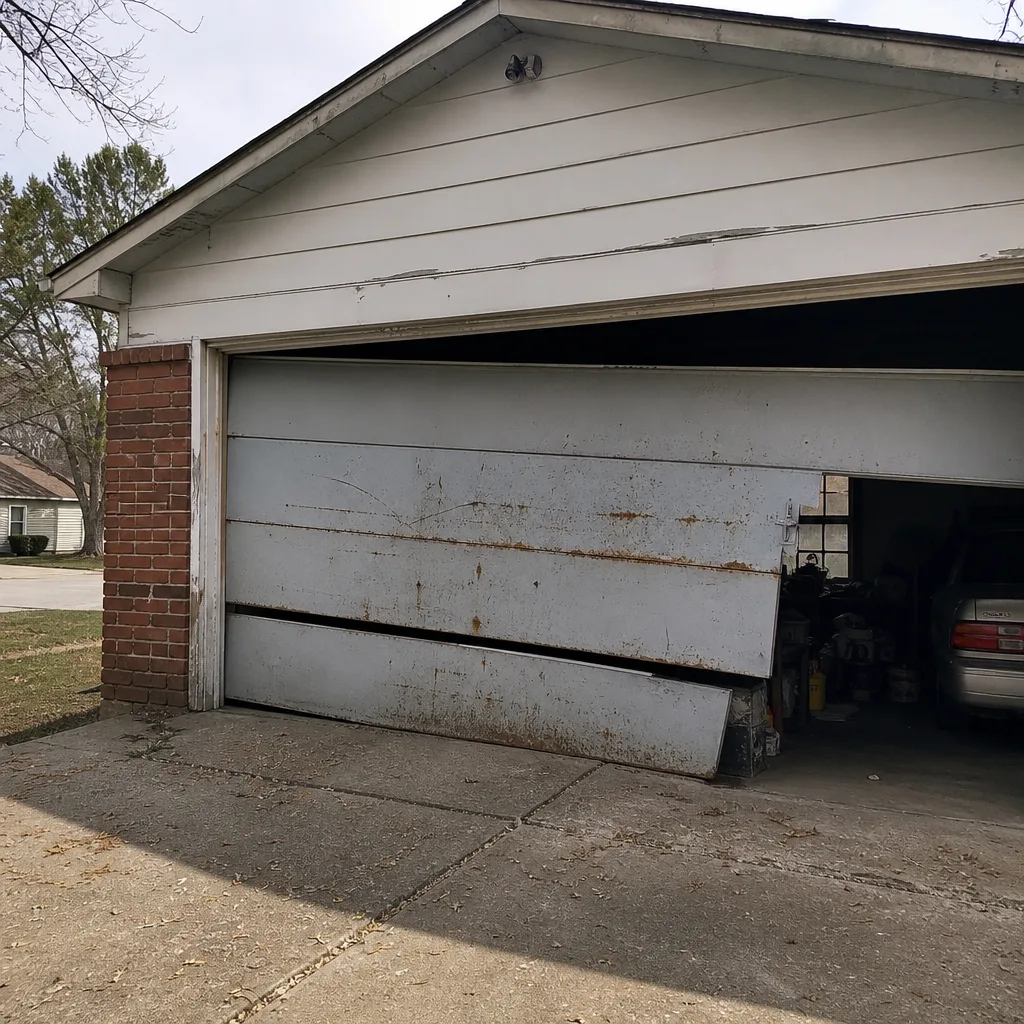 Before
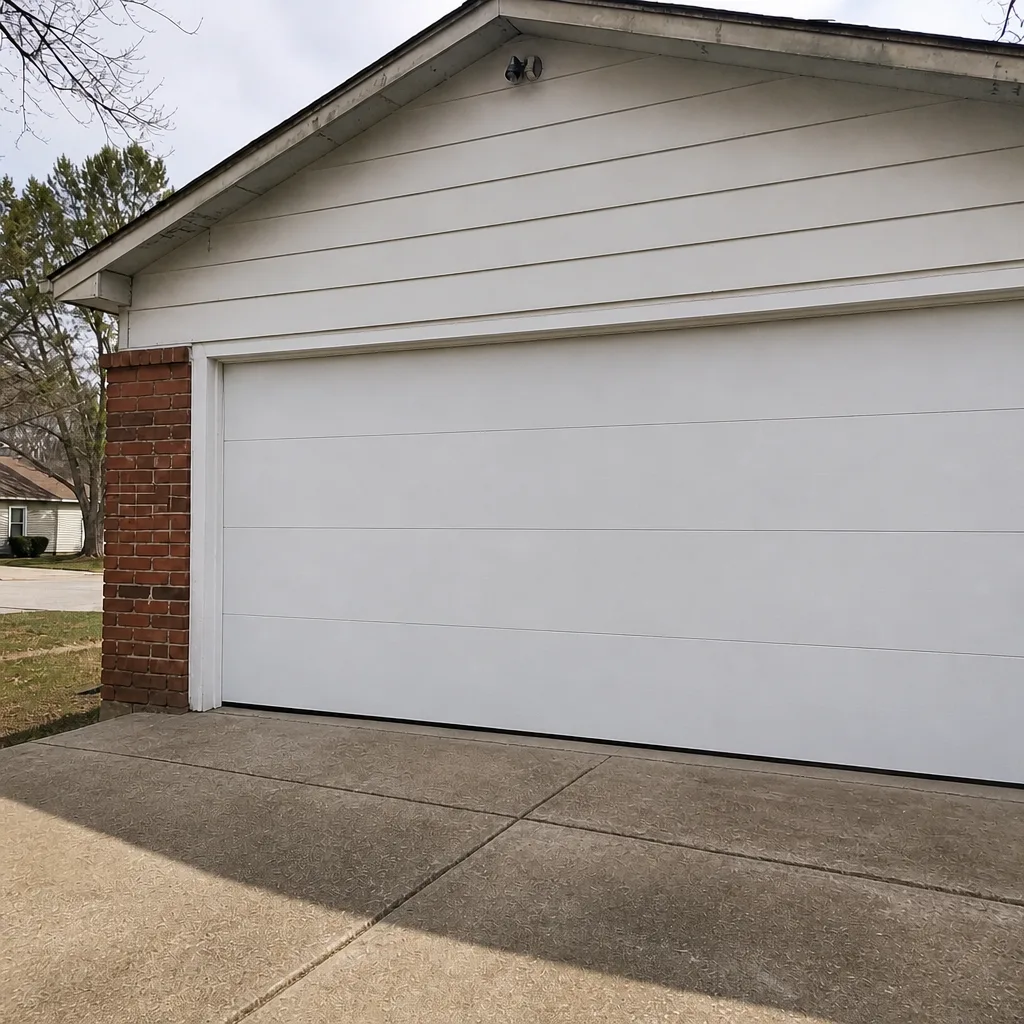 After
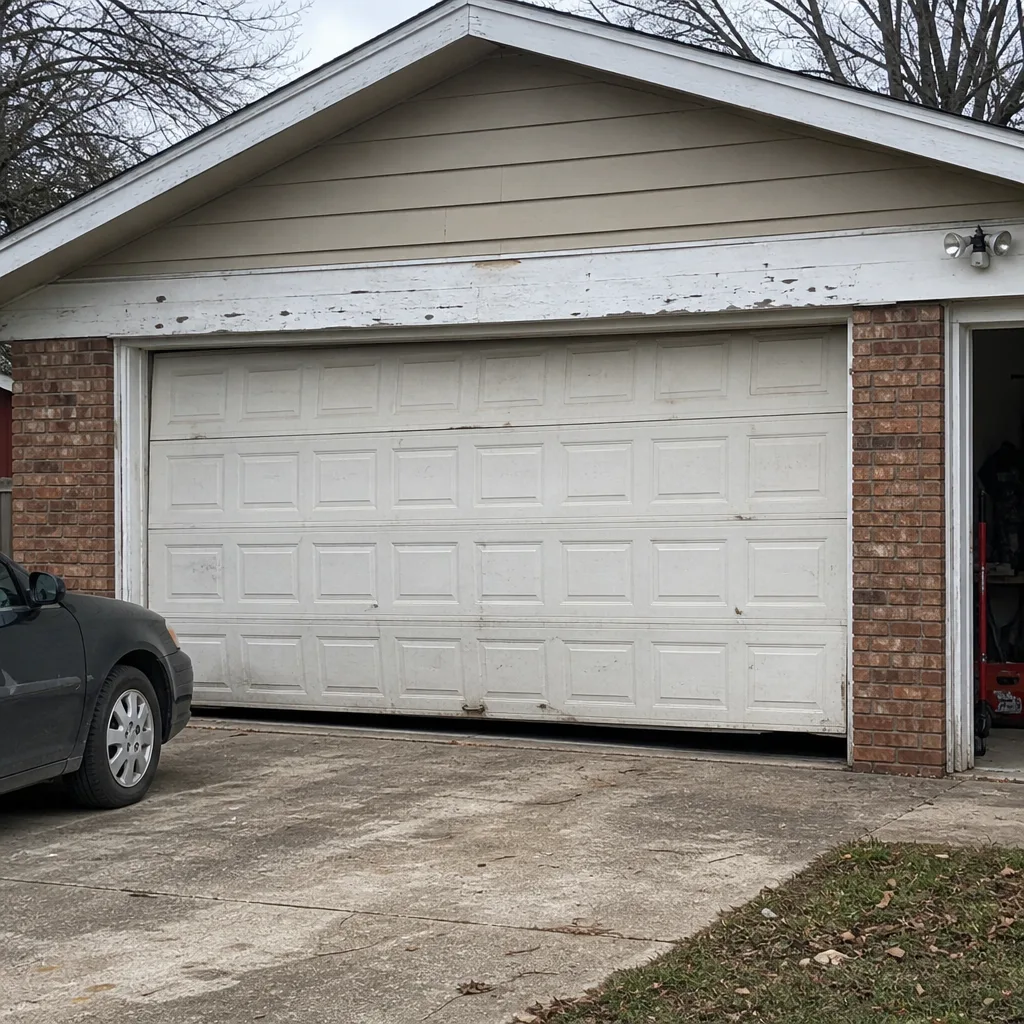 Before
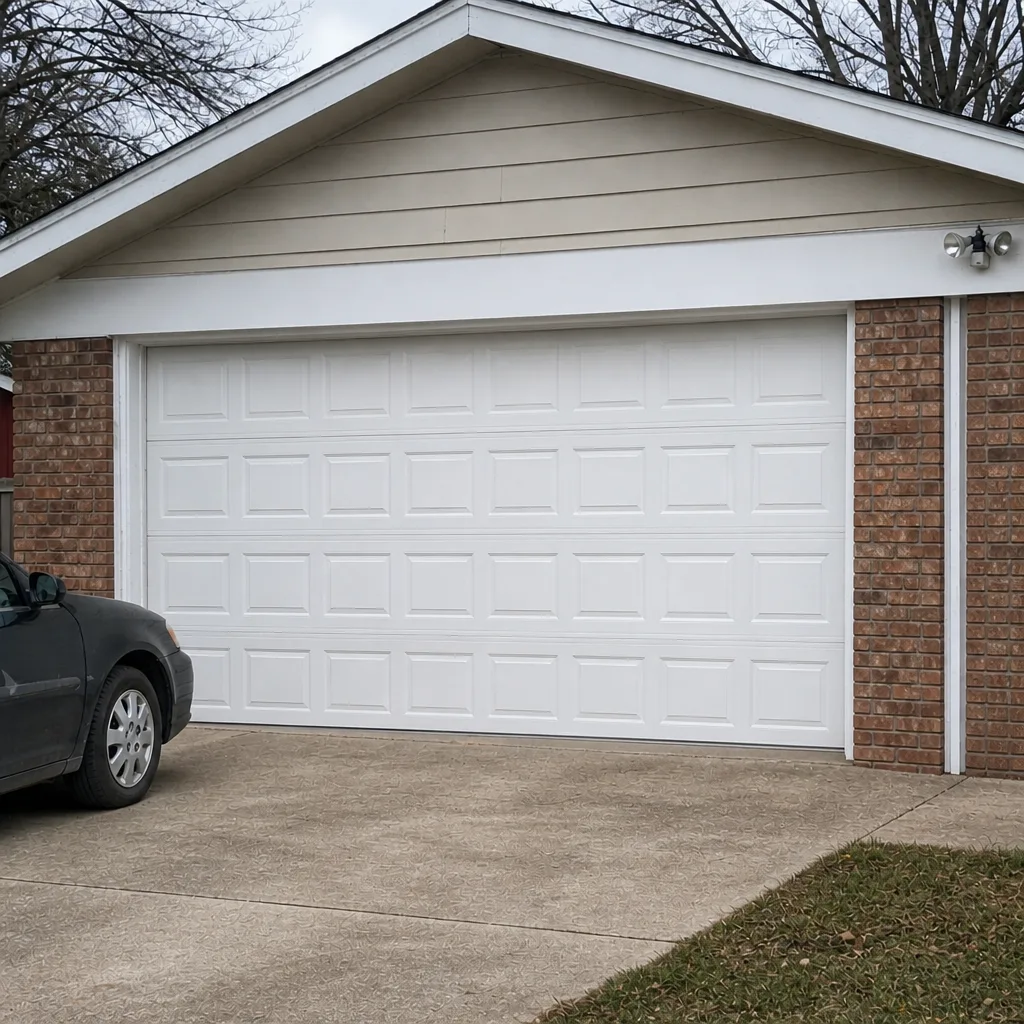 After
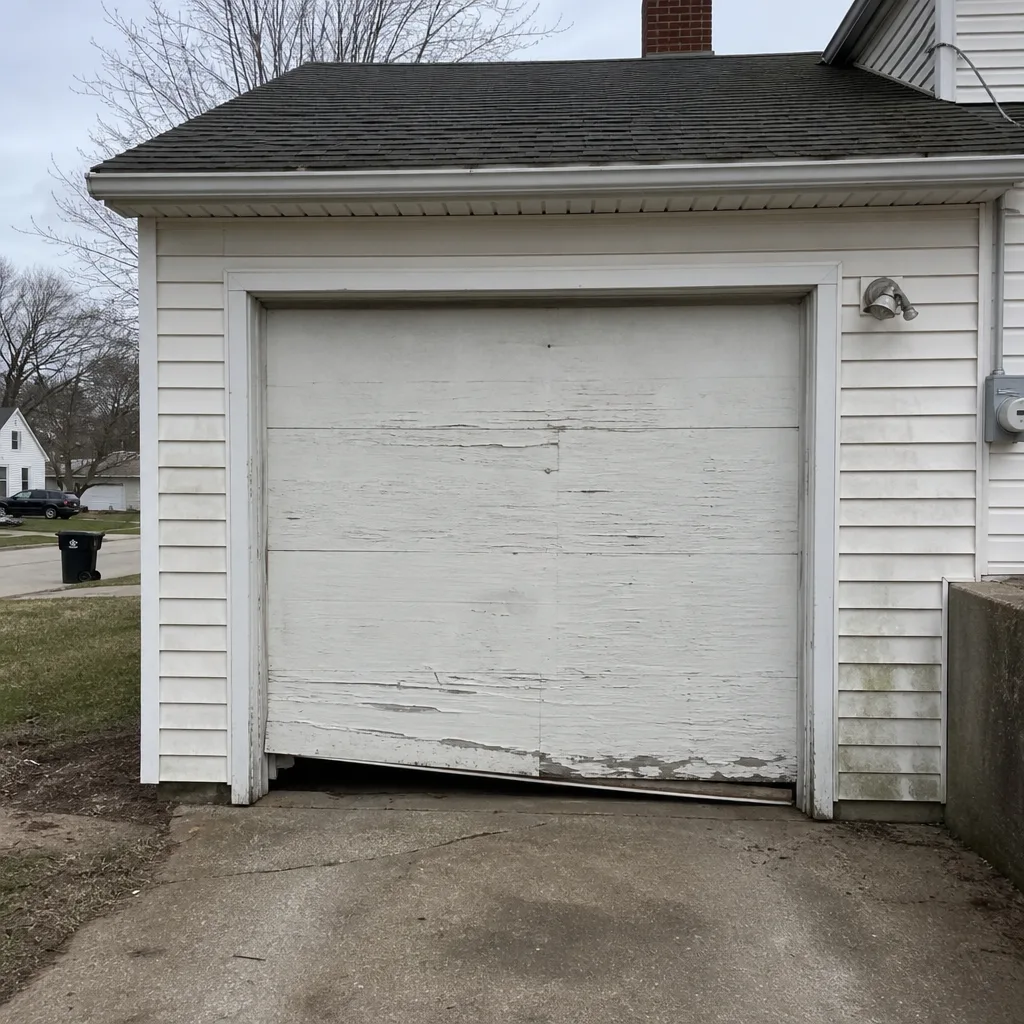 Before
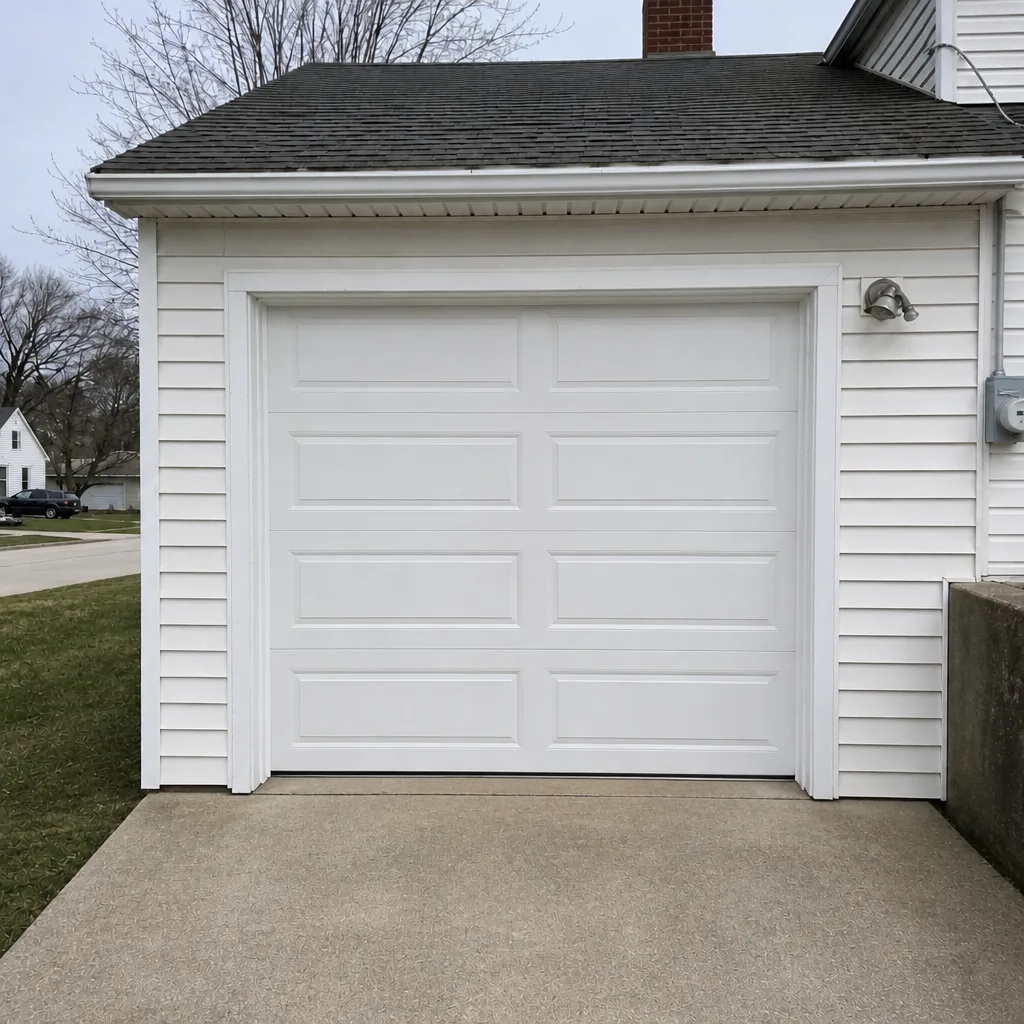 After
When to Call a Professional
Call a professional for anything involving springs or cables, a door that has stopped moving evenly, an opener that reverses or hesitates, or a gap or sag that has not resolved within a couple of weeks. If your door is doing any of those, stop running it and get it checked. The cost of a diagnosis and a small repair is almost always lower than the cost of a full replacement or a failed door that will not close.
Southampton Garage Door Repair Pros offers free estimates in Southampton – call (866) 809-2029. We answer 24/7. Fast dispatch from 7am to 7pm, Sunday through Friday. Our technicians have up to 14 years of experience and know the major brands you already own, including Genie, Clopay, Amarr, and Wayne Dalton. The price is quoted and agreed before any work starts, so the written estimate is the price.
Frequently Asked Questions
Most Southampton garage door repairs are quoted per job after a diagnosis, and the written estimate sets the final price before any work begins. Spring replacement, opener repair, and general repair are each priced separately, and a free estimate tells you which of those your door actually needs. Call (866) 809-2029 for a free estimate.
No – the price is quoted and agreed before any work starts, and the written estimate is the price. If we find something the initial estimate did not cover, we talk it through with you and agree on it first. Call (866) 809-2029 for an exact quote; estimates are free.
For most repair and opener calls in Southampton, we can often offer same-day service. Call (866) 809-2029, and we’ll tell you what’s available. We answer 24/7, with fast dispatch from 7am to 7pm, Sunday through Friday; a call outside dispatch hours is booked into the next opening.
A grinding door that still opens is usually a worn roller, a bent track, or a worn opener drive gear, and it is in the middle stage of failure. It should be checked before the grinding turns into a seized door, because the repair is far smaller at this stage. Call (866) 809-2029 for a free estimate.
The local professionals we connect you with are licensed and insured as Missouri requires. We’re a single-trade garage door specialist, and technicians have up to 14 years of experience across brands including LiftMaster, Chamberlain, Genie, Clopay, Amarr, Wayne Dalton, Craftsman, and Raynor. Call (866) 809-2029 with any questions.
A door that is stiff for the first cycle on a cold morning and then runs normally is usually a lubrication issue, not a failure. A door that grinds, pops, or reverses in any weather is a mechanical fault and should be checked. If you’re unsure, call (866) 809-2029 for a free estimate.
The Bottom Line
Garage door failures follow a sequence, and the sequence is readable. Grinding points to rollers or a worn opener gear. Squealing points to dry hinges. Popping points to springs. Uneven gaps and bowed panels show a balance problem. Hesitation, reversal, and range loss show an opener under strain. The 30-second speed test catches most of these before they turn into a failed door. Weather can cause temporary stiffness, but a symptom that shows up in any season is mechanical. Read the signs early, monitor what is small, get a professional for what is not, and keep the repair at the small stage.
We built Southampton Garage Door Repair Pros around single-trade garage door work, which means every job we take is a door or an opener, not a handyman visit with a door on the side. Our technicians work on the brand you already own, and our parts supply lets us turn repairs around without the wait of a third-party order. If your door is telling you something, don’t wait for it to fail. Call (866) 809-2029 for a free estimate. We answer 24/7. Fast dispatch from 7am to 7pm, Sunday through Friday. One call covers the diagnosis, the repair, and the next step, whether that’s Southampton Garage Door Repair Pros handling a spring, an opener, or a full replacement down the road.
Written by the team at Southampton Garage Door Repair Pros.