
Last updated November 21, 2026
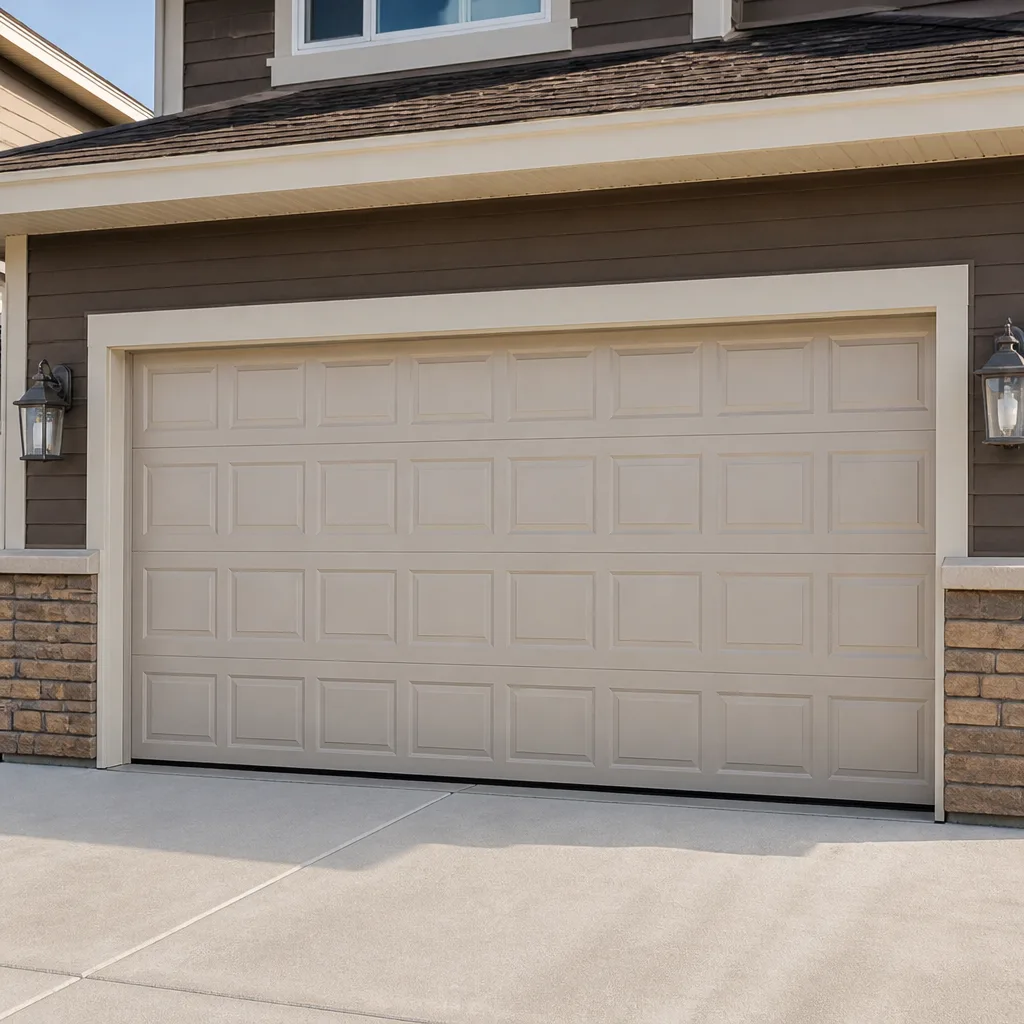 Raised-panel steel
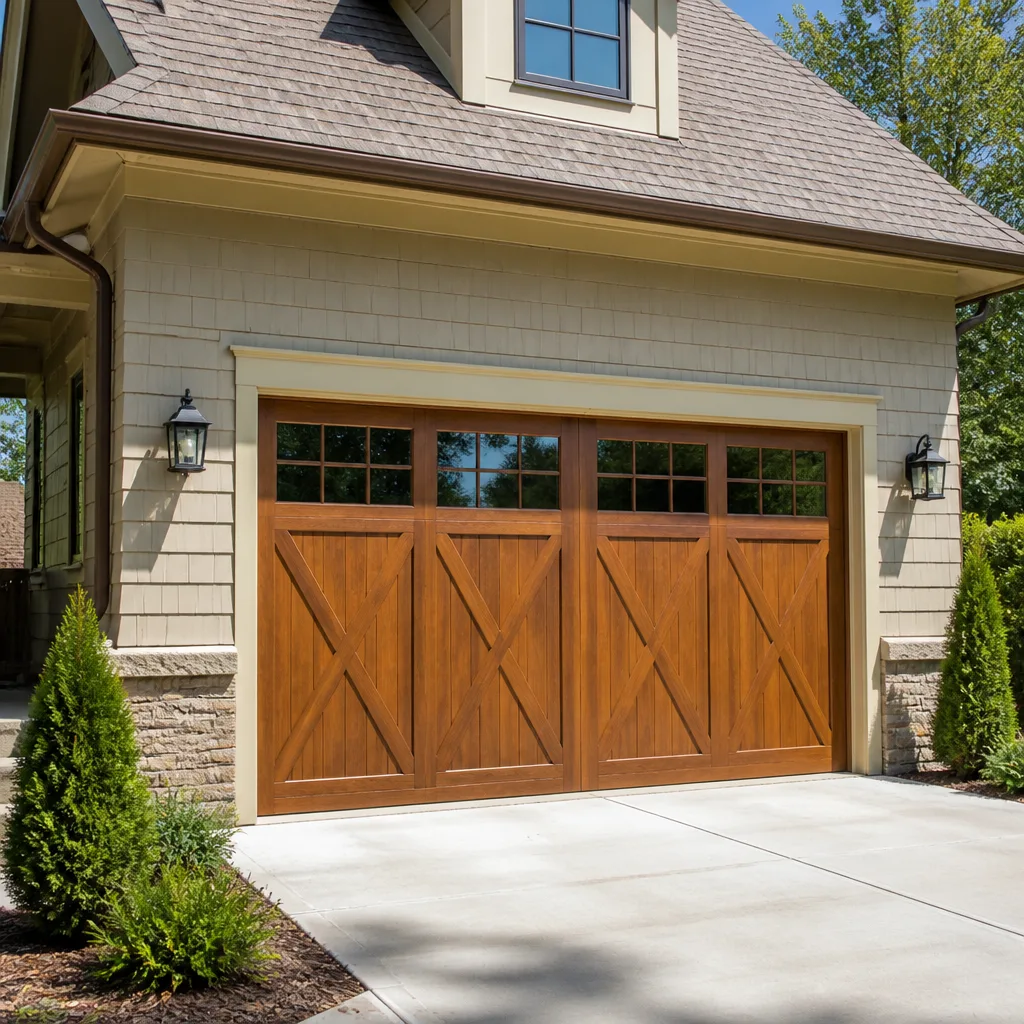 Carriage house
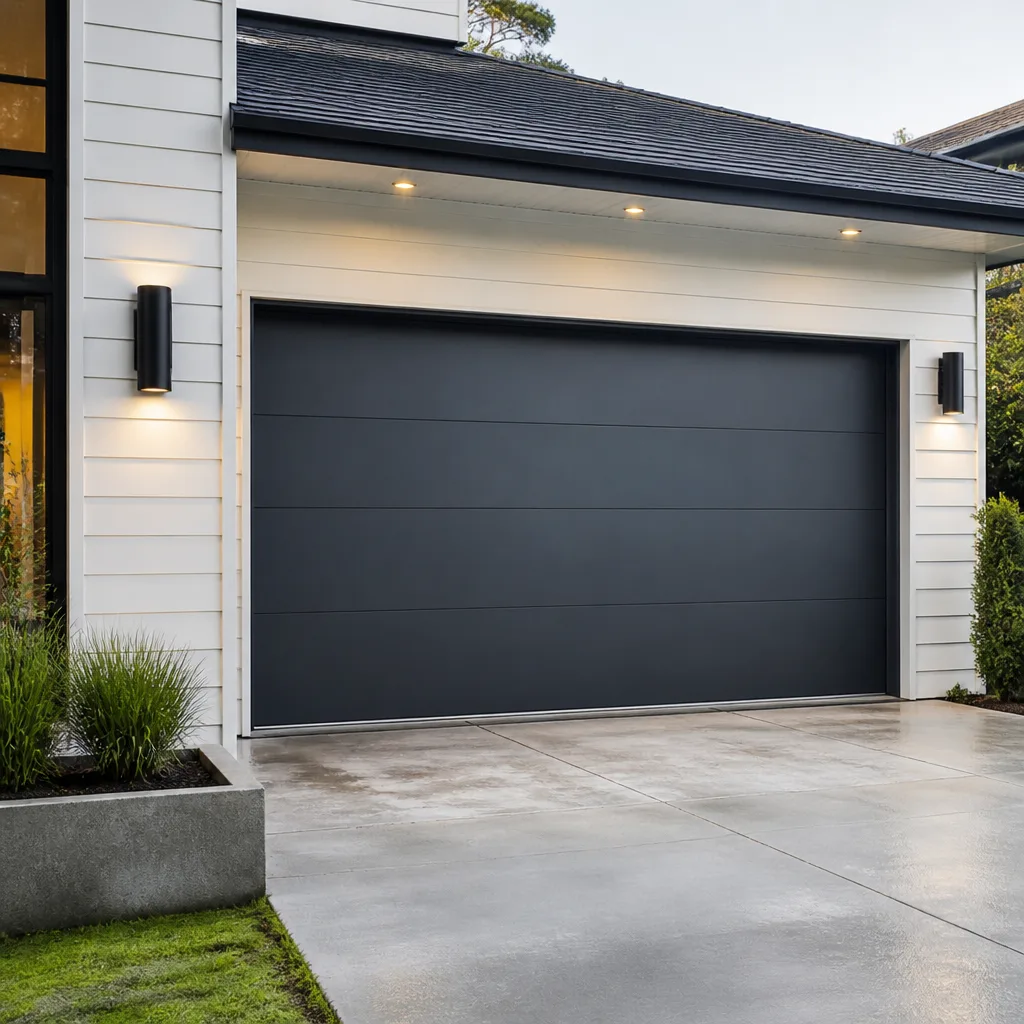 Modern flush
 Full-view glass
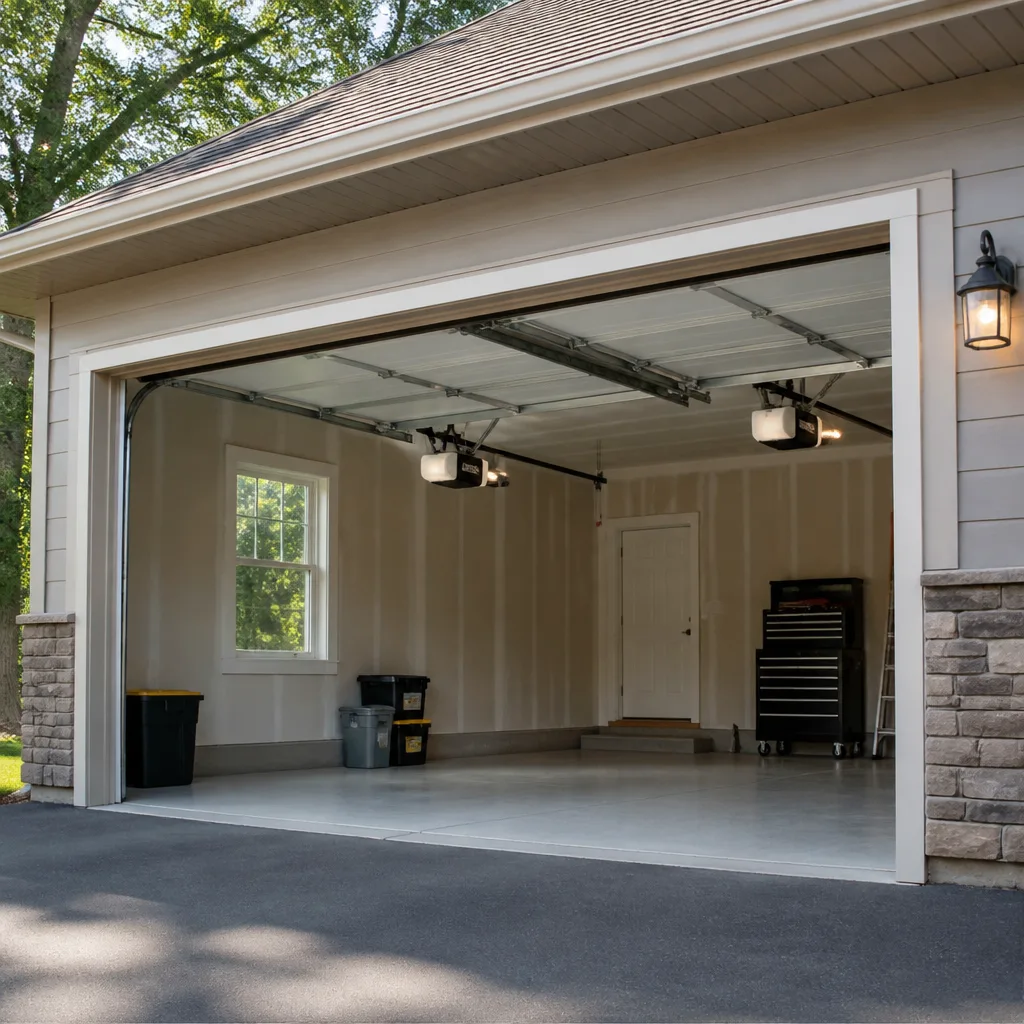 LiftMaster openers
 Chamberlain openers
Full 25-point door and opener safety check with every visit - springs, cables, rollers, tracks, and your LiftMaster or Chamberlain opener included
You get a price before we start. It does not change when the pro arrives.
Get your free estimateDIY vs Professional Garage Door: The Southampton Homeowner’s Decision Guide
Most garage door advice treats DIY as a single decision, as if you either fix the door yourself or you don’t. That framing is why so many Southampton homeowners get into trouble. The real split isn’t skill. It’s stored energy. A torsion spring under load holds enough force to break a wrist or launch across a garage when it lets go uncontrolled, and that single fact settles most of the debate before you even pick up a wrench. Other jobs on the same door are genuinely safe for a careful homeowner on a free afternoon. This guide draws the line task by task, with a tool reality check, a look at what DIY does to your insurance, and a decision matrix by failure type. You’ll finish knowing which repairs are yours and which ones belong to a trained technician in Southampton.
Quick Answer
Southampton homeowners can safely handle weatherstripping, photo-eye sensor alignment, lubrication, and minor cosmetic panel work. Torsion springs, cables, and track realignment under load belong to a trained technician because the stored energy in those parts can cause serious injury. Replacing an opener or door yourself is legal in most cases but usually voids the manufacturer’s warranty and takes a first-timer a full day or more, which is why a written professional estimate is the smarter comparison.
Styles & brands we work with
- Raised-panel steel
- Carriage house
- Modern flush
- Full-view glass
- LiftMaster openers
- Chamberlain openers
Table of Contents
- Why the Spring Physics Settles Most of the Argument
- Task-by-Task: What You Can Do and What You Shouldn’t
- The Tool Reality Check
- DIY Opener Installation vs Professional Installation
- Liability and Insurance After a DIY Repair
- A Decision Matrix by Failure Type
- What Professional Help Costs in Southampton
- Safety Rules That Apply No Matter What You Choose
Why the Spring Physics Settles Most of the Argument
A garage door spring doesn’t just hold the door up. It stores kinetic energy every time the door closes and releases it every time the door opens. On a standard residential door, a torsion spring is wound to a tension that balances the full weight of the door panels, hardware, and frame. That’s an enormous amount of stored force sitting in a metal coil, and it’s why the coil is the one part of the door that can hurt you badly if it releases without control.
Extension springs, common on older doors, fail differently. They stretch along a track and can snap free with the door mid-travel. Torsion springs sit above the door on a shaft, wound tight around a winding cone. When one breaks mid-cycle, the door drops. When a homeowner tries to remove a wound torsion spring without the right tools and technique, the cone can spin free and the bar can kick back. In our experience, the injuries we hear about from this work are almost never from the springs themselves. They’re from the tools and the reaction force.
The math matters here. A torsion spring job is a two-hour task for a technician with the right equipment and a fraction of a second of inattention from a serious injury for anyone else. That gap is not about skill level. It’s about stored energy and the specific mechanical knowledge to control it. Once you understand that, the rest of the DIY debate becomes very specific: what can you safely touch on your Southampton door, and what can’t you?
We don’t say this to scare anyone away from their own garage. We say it because a homeowner who spends an afternoon on weatherstripping and an hour on sensor alignment and then calls a specialist for the springs is getting the most out of both worlds. The door still gets repaired, the homeowner saves on the safe jobs, and nobody is improvising with a wound torsion spring in a Southampton garage.
The same principle applies to every moving part on the door. Rollers, hinges, and the opener rail carry modest stored energy and reward careful DIY work. Cables, drums, and torsion hardware carry the full load. The line between safe and unsafe is essentially the line between parts that hold the door’s weight and parts that hold the door’s tension.
Task-by-Task: What You Can Do and What You Shouldn’t
Here’s the honest breakdown of common garage door work, grouped by what a careful homeowner can reasonably take on. We’ve organized this by the actual task on the door, not by vague skill category, because “DIY garage door repair” covers everything from taping a sensor to removing a wound spring.
Safe for a homeowner:
- Weatherstripping replacement. The rubber or vinyl seal along the bottom of the door and the frame jambs can be replaced with basic hand tools. A ladder, a pry bar, and new seal stock from a local supplier is the whole job.
- Photo-eye sensor alignment. If the door reverses on its own or won’t close, the safety sensors at the bottom of the track are usually out of alignment or dusty. Cleaning the lenses and adjusting the brackets until the indicator lights stay solid is a ten-minute job.
- Lubrication. Rollers, hinges, and the torsion shaft bearings benefit from a garage-door-rated lubricant applied a few times a year. This is the single best free thing you can do to extend the life of a Southampton door, especially in a climate with wide summer-to-winter swings.
- Cosmetic panel work. Small dents on steel panels can sometimes be pressed out or filled and painted. Purely aesthetic repairs don’t affect the door’s balance or safety systems.
- Replacing a remote or reprogramming an opener. Most LiftMaster, Chamberlain, and Genie remotes can be paired from the opener itself with the manual in hand. This is a common frustration that doesn’t need a service call.
- Tightening loose hinge bolts. If a hinge rattles, a socket wrench and a few minutes of care can quiet it. Don’t overtighten, and stop if the hinge plate starts to distort.
Requires a trained technician:
- Torsion spring replacement. High-tension work. The spring must be fully de-tensioned with winding bars before removal, and the new spring wound to the correct number of turns for the door’s weight. Getting this wrong either leaves the door unmanageable or releases the spring dangerously.
- Extension spring replacement. Lower tension than torsion, but still a loaded spring. The door must be fully up with the spring relaxed before removal, and a safety cable should be present on both sides.
- Cable replacement. Cables hold the door’s weight on their own side of the system and are under tension whenever the door is closed. A cable that snaps free can whip. This is not a DIY job.
- Track realignment under load. A bent track can be nudged back into place only after the door’s weight has been taken off it. Adjusting a track with the door hanging on it risks the door dropping or the track twisting further.
- Spring, drum, and center bearing replacement. All part of the high-tension assembly above the door. If the bearing or drum is failing, the spring work is the entry point and it all goes together.
If you’re unsure which category a repair falls into, the safe answer is the second one. A phone call to sort out a borderline job costs nothing, and we’d rather talk a Southampton homeowner out of an unsafe DIY attempt than have them learn the hard way.
The Tool Reality Check
The most common DIY miscalculation is thinking of a repair in terms of an afternoon and a few hand tools. For high-tension work, the tool list itself is the story. A proper torsion spring job needs winding bars (two, matched to the cone size), a torque wrench or a torsion-measuring device, a cable drum removal tool, and a set of safety glasses. Those are the minimum. Some doors need a specific winding cone adapter depending on the spring size.
Now price that out. Winding bars alone run into the tens of dollars for a decent pair. A torque wrench is a hundred or more for anything you’d trust for this work. The cable drum tool is a specialty item most homeowners will never use again. Add it up and the “DIY” version of a spring replacement often costs more in tools than a single professional service call, before you count the risk.
Tools you actually own and reuse for the safe jobs are a different story. A wrench, a pry bar, a lubricant can, a step ladder, and a tube of weatherstripping sealant cover nearly every task in the safe column. Those are worth having. The high-tension tool kit is worth not having.
There’s a second reality check: the tools are only half of it. The technique to de-tension a spring safely, count turns for the new spring, and set the door’s balance is exactly the thing a trained technician learns from doing this work across brands day in and day out. For LiftMaster and Raynor openers in particular, the setup differs enough that “watching the video once” isn’t the same as a technician who’s done the job across a whole range of doors. If you’re weighing the cost of a spring repair against the cost of the tools, the comparison isn’t close. Our garage door repair team and dedicated spring service handle exactly this kind of high-tension work, so you don’t need to buy tools you’ll use once.
DIY Opener Installation vs Professional Installation
Installing a new opener is the one garage door project where a capable homeowner can do it without risking a serious injury, because the opener doesn’t hold the door’s weight. But “legal and possible” is different from “advisable.” Here’s how the two paths compare.
DIY opener installation usually involves:
- Removing the old opener, its rail, and its wiring from the ceiling.
- Mounting the new rail and head unit, which often requires two people for a standard ceiling mount.
- Running electrical from the existing supply or a new outlet to the head unit.
- Hanging the opener from the ceiling joists at the correct height for the door’s curve.
- Setting the travel limits and force adjustments, which govern how far the door opens and closes and how hard it pushes before reversing.
- Pairing all remotes and the wall control, and confirming the safety sensors function in every position.
For a first-timer without proper tools, that’s a full day at best. A professional installation is typically two to three hours because the technician installs this brand and this model across a wide base of Southampton homes. That difference, more than the labor saving, is why people who’d normally DIY hire it out.
The bigger considerations are permit implications and warranty. Local building codes and permit requirements vary, so if you’re installing an opener with any electrical work, check with the City of Southampton or your local building department before you start. Manufacturers typically require professional installation to validate the warranty on the opener, and an unpermitted or improper install can complicate a future home sale. That’s not a scare tactic. It’s the standard disclosure chain on a home sale, and a warranty that’s void the moment the opener fails is a real cost.
If you’re upgrading the opener and door together, a proper measurement and door balance check is part of the job. Scheduled work like this is not same-day, and it shouldn’t be. It’s measured, ordered, and installed. Our garage door installation page covers how a professional measure and install works, and the garage door opener repair service is the right call when an existing opener is failing rather than being replaced. We work on the brand you already own, whether it’s a LiftMaster, a Chamberlain, or an older Genie, and our technicians have up to 14 years of experience with all of them.
Liability and Insurance After a DIY Repair
Here’s the part most DIY guides skip. A homeowner who repairs their own garage door can still be held legally and financially responsible for the consequences, and those consequences go well beyond the repair cost. If a DIY spring replacement fails and damages property, a neighbor’s car, or a person, the homeowner’s liability coverage may respond, but not automatically or without scrutiny, and not always without raising a claim about what went wrong in the first place. Insurance carriers look closely at who did the work and whether it was done safely.
For injuries inside a Southampton home, the analysis is even more direct. A homeowner who loosens a tensioned spring and gets hurt on their own property has no third party to pursue. The injury exists with no claim against anyone else. That’s the reality of a high-tension job done at home.
If you have a professional do the work, the liability picture is different. The local professional we connect homeowners with is licensed and insured as their state requires, which means an injury or a property problem during the repair is covered by their policy, not yours. That single point is often worth more than the price difference on a spring replacement.
There’s also a claim-status issue with the door itself. A garage door that fails after a DIY repair can affect a homeowner insurance claim if the door’s failure caused damage to the home. Insurers ask what work was done and by whom. A documented professional repair is a cleaner record when something goes wrong.
We can’t speak for every carrier, and coverage varies by policy. What we can say is that a trained technician gets this right the first time, and that the “savings” from a high-tension DIY repair can disappear entirely if something goes wrong. If you have specific coverage questions, your insurance agent is the right person to ask before you start any high-tension work in your Southampton home.
A Decision Matrix by Failure Type
The honest answer isn’t always “hire a pro” and isn’t always “try it yourself.” It depends on the failure, how urgent it is, and your own mechanical comfort. Use this matrix to sort the job before you start.
By failure type:
- Door won’t open or close. Check the opener first. A tripped breaker, a dead remote battery, or a misaligned sensor accounts for most of these. Safe to diagnose yourself; call for garage door opener repair if the opener itself is faulty.
- Spring popped or door dropped. Stop. Do not attempt to operate the door manually. Call a spring specialist. This is the high-tension category.
- Cable hanging loose. Same as above. Cables are loaded and a loose cable is a signal that the whole system needs attention.
- Door off track or bent. If the door is still hanging in the track, don’t force it further. Stop and call. If the door is fully off the track and at rest, a professional realignment is still the right step.
- Sticking or loud squeaking. Try lubrication and a visual inspection of the rollers and hinges. If it persists, call for a diagnostic.
- Cosmetic dents or weatherstripping wear. Safe to handle yourself with basic tools.
By urgency:
- Door is holding a car in or out and the repair isn’t cosmetic. Call. A same-day repair is faster and safer than a DIY scramble.
- Cosmetic or slow wear. A careful homeowner can usually schedule it in a free afternoon.
- Safety system failure (door reverses or won’t reverse). Diagnose and repair immediately. A door that closes on a pet or a person is a real safety concern. If the sensors are the cause, you can often fix it yourself; if the opener logic is faulty, call.
By mechanical experience:
- Comfortable with hand tools, no garage door experience. Take the safe column tasks. Call for everything in the professional column.
- Comfortable with wiring and the brand’s manual. Opener replacement moves into your column, with the caveats about warranty and permits.
- No mechanical comfort at all. A single call covers it. A specialist will free-estimate and do the work right the first time.
What Professional Help Costs in Southampton
You can’t make a DIY vs professional call without knowing what professional costs, so here’s the ballpark. These are typical estimates for garage door work in the Southampton area, and the written estimate your technician provides is the final price.
- Torsion spring replacement (one spring): typical range is roughly the low to mid hundreds of dollars. A matched pair of springs is usually replaced together, so a pair runs about twice that for one spring.
- Extension spring replacement (one spring): typically at the lower end of the spring price range, with the pair again about double.
- Safety sensor repair or alignment: a small service call. Often the cheapest professional job, and often the fastest to resolve.
- Opener repair (motor, logic, or rail): varies by brand and diagnosis. A LiftMaster or Chamberlain logic board replacement sits in a different range than a rail or belt replacement.
- Track realignment or cable replacement: typically a mid-range job that depends on whether the door needs to be taken down.
- New opener installation (professional): a scheduled, priced job with a free measure and a written price before work starts. This is not a same-day category, and shouldn’t be.
- Full garage door installation: scheduled after a measure and a written price. Every project is different, so ask for the written estimate.
The written quote is the price. Not a “starting at” number. We set the price per job before any work starts, and the estimate itself is free. That compares directly against the real cost of the DIY version: tools, risk, and time, plus the chance the job has to be redone by a technician anyway. When you add those up, the professional option is usually the cheaper way to a reliable repair.
If the work is a repair rather than an installation, speed is part of the comparison. A dedicated specialist can often fix a stuck door the same day, while a homeowner ordering parts and waiting for delivery is a multi-day problem. That’s part of why we keep a parts capability in-house. Parts on hand, not on order, cuts out the wait that sidelines most repair timelines.
If you’re in another part of the metro area, the same comparison holds across the region.
Safety Rules That Apply No Matter What You Choose
Whether you call a technician or take on a safe job yourself, these rules apply. They’re simple and non-negotiable.
- Never attempt to de-tension a spring without the right tools and training. This is the single rule that matters most. A wound torsion spring is a stored-energy hazard, and the tools to release it safely are specialty tools.
- Never stand under a door that’s hanging on a broken spring. Move cars and people out of the path and call for repair before operating the door.
- Never bypass the safety sensors. They exist to reverse the door on a person or a pet, and a bypassed sensor is a hidden hazard for anyone who uses the garage after you.
- Never force a stuck door. If a door is off track or the opener is straining, forcing it can bend the track or break a cable under load.
- Wear safety glasses for any garage door work and keep the door area clear of objects that can fall or be struck.
- Don’t reach up under a moving door or into the space between the door and the header. This is where a hand or arm gets caught.
Real expertise means telling you when not to touch something, not selling you a repair for a job you could do safely. Our Southampton Garage Door Repair Pros specialists will tell you if a job is one you can handle yourself.
Common Mistakes to Avoid
- Trying a spring replacement to save money. The tool cost alone matches or exceeds a professional service call, and a wound spring is a serious hazard. This is the most common and most dangerous DIY mistake in Southampton.
- Ignoring a tripped or misaligned safety sensor. A door that closes on a pet is a real risk, and sensors are the safety feature that most often gets ignored. Fix it or call about it right away.
- Skipping lubrication for years. Southampton’s summer-to-winter temperature swings are hard on door hardware, and dry rollers and hinges accelerate wear on the whole system.
- Forcing a door that’s off track. If the door is hanging at an angle, don’t try to “help” the opener. Force is what bends the track and snaps cables.
- Buying the cheapest replacement opener online. If the brand doesn’t match the existing rail and limit system, a first-timer installation can be a week of trial and error. Brand familiarity matters.
- Assuming a DIY repair is invisible at resale. A home inspector will notice an unpermitted install or an improperly set opener, and a warranty that’s void complicates a sale.
- Not getting the estimate in writing. On any professional repair, confirm the written price before work begins, so the invoice at the end is the number you agreed to.
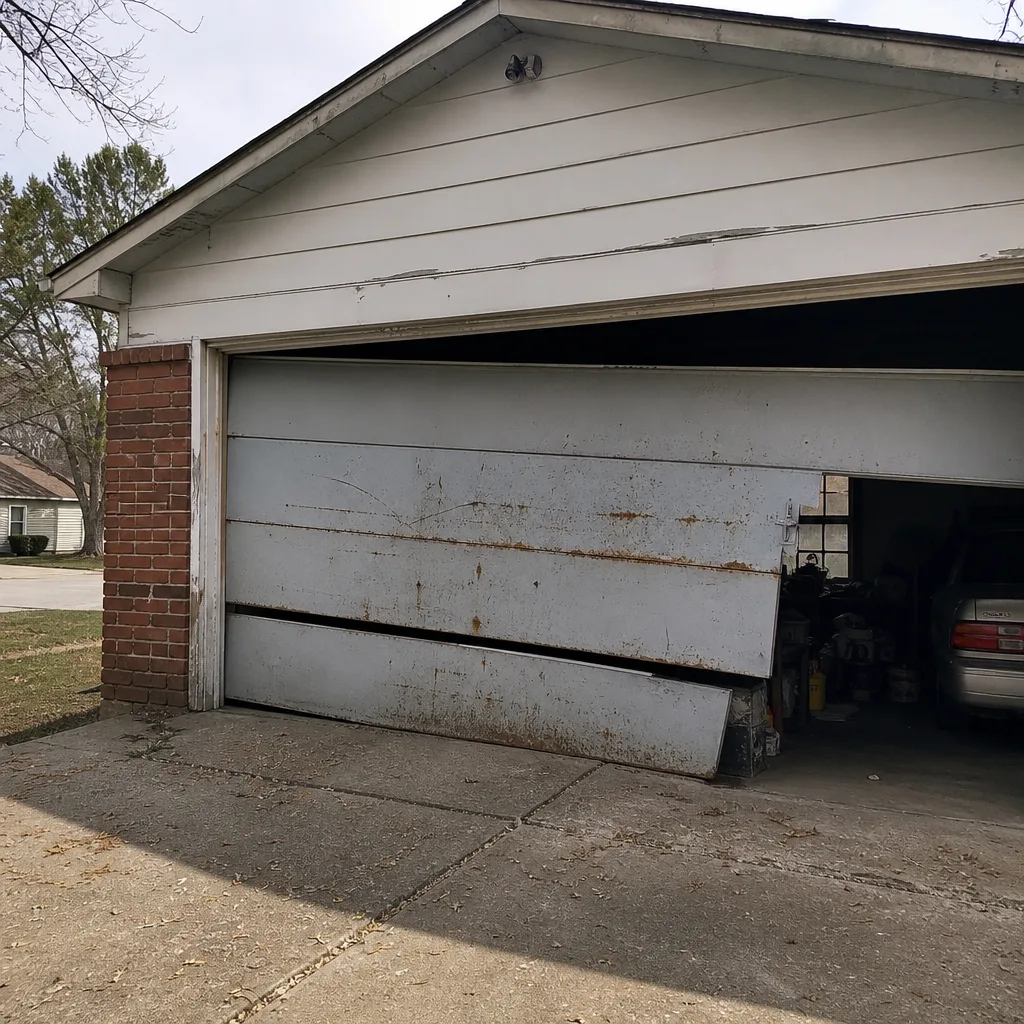
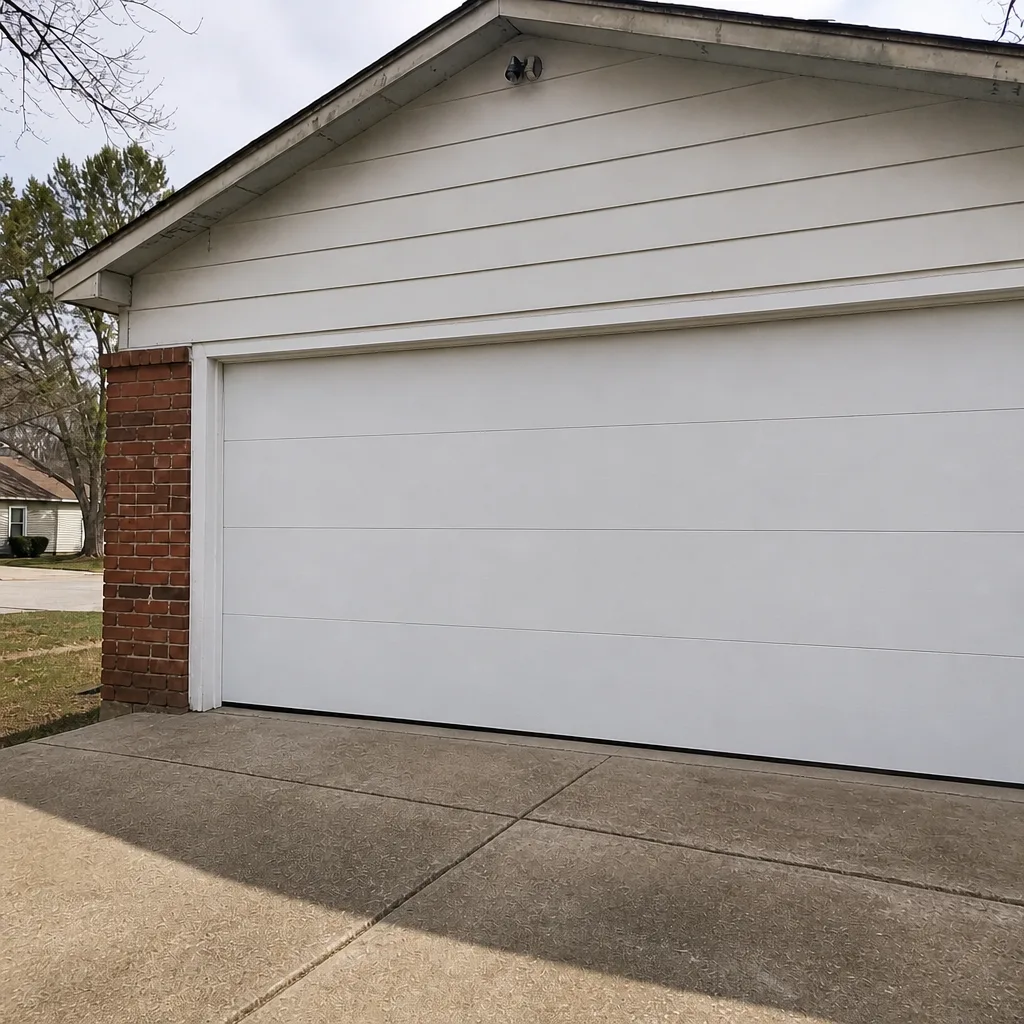
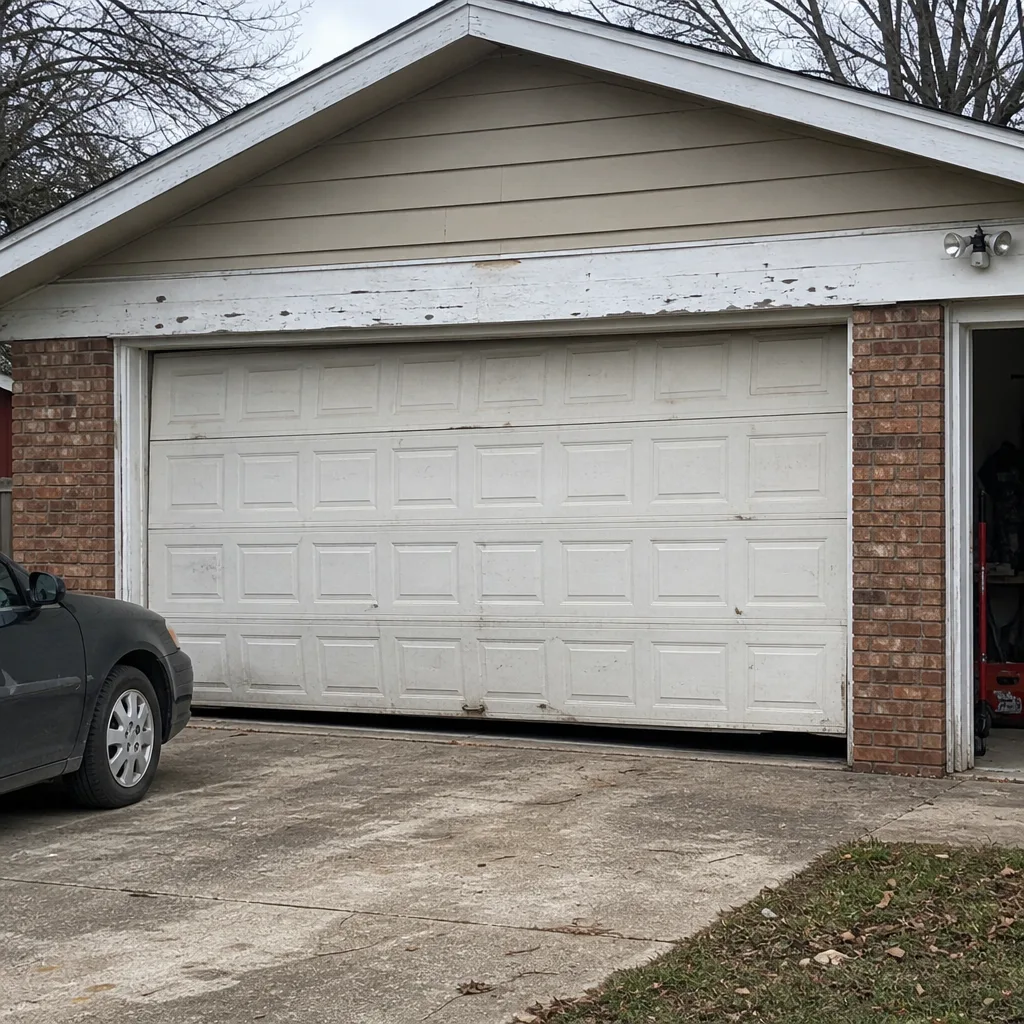
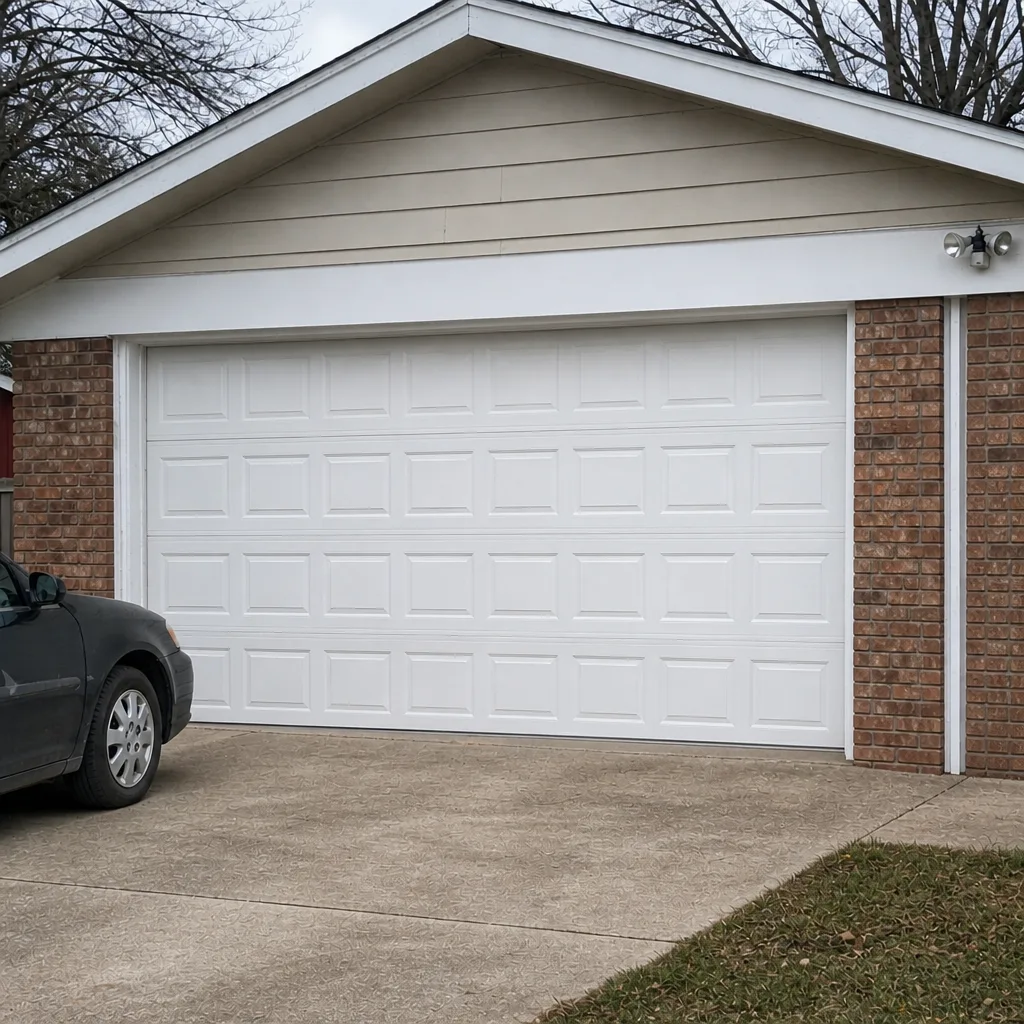
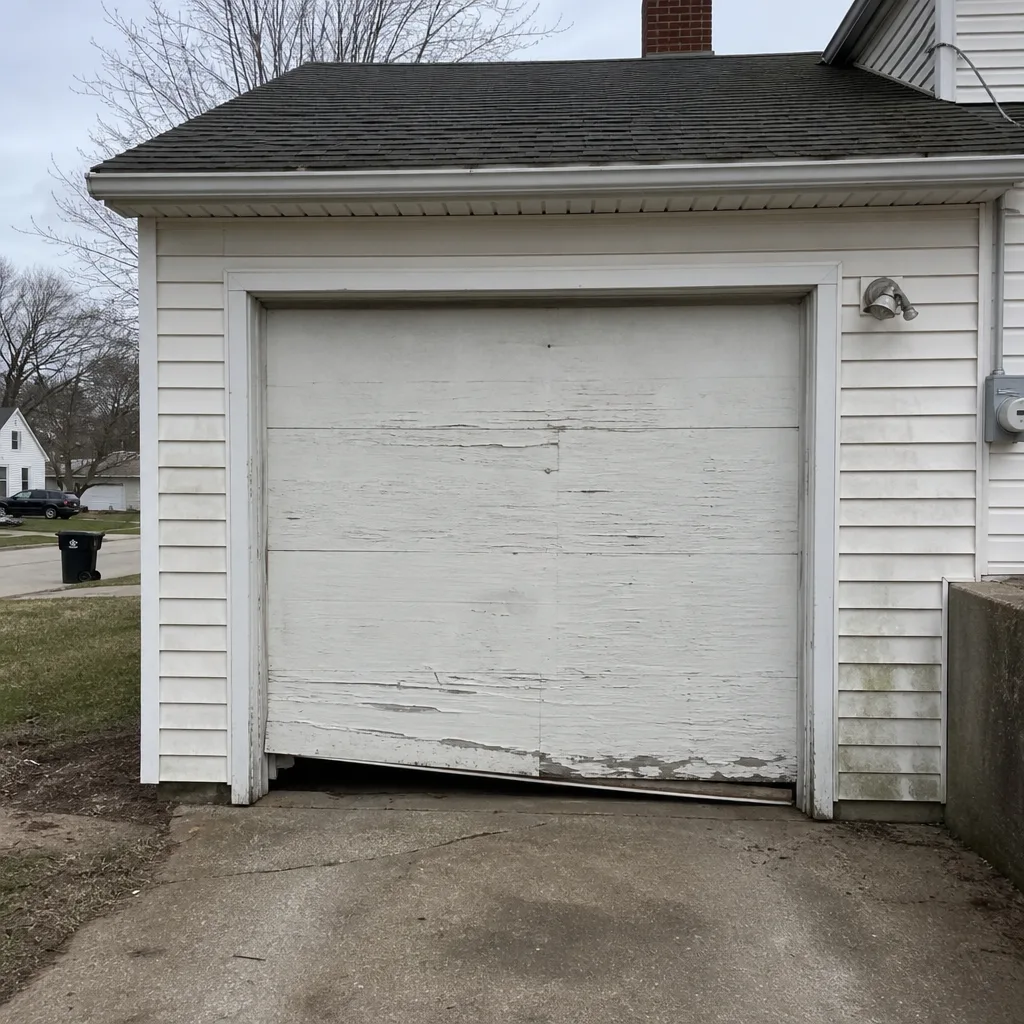
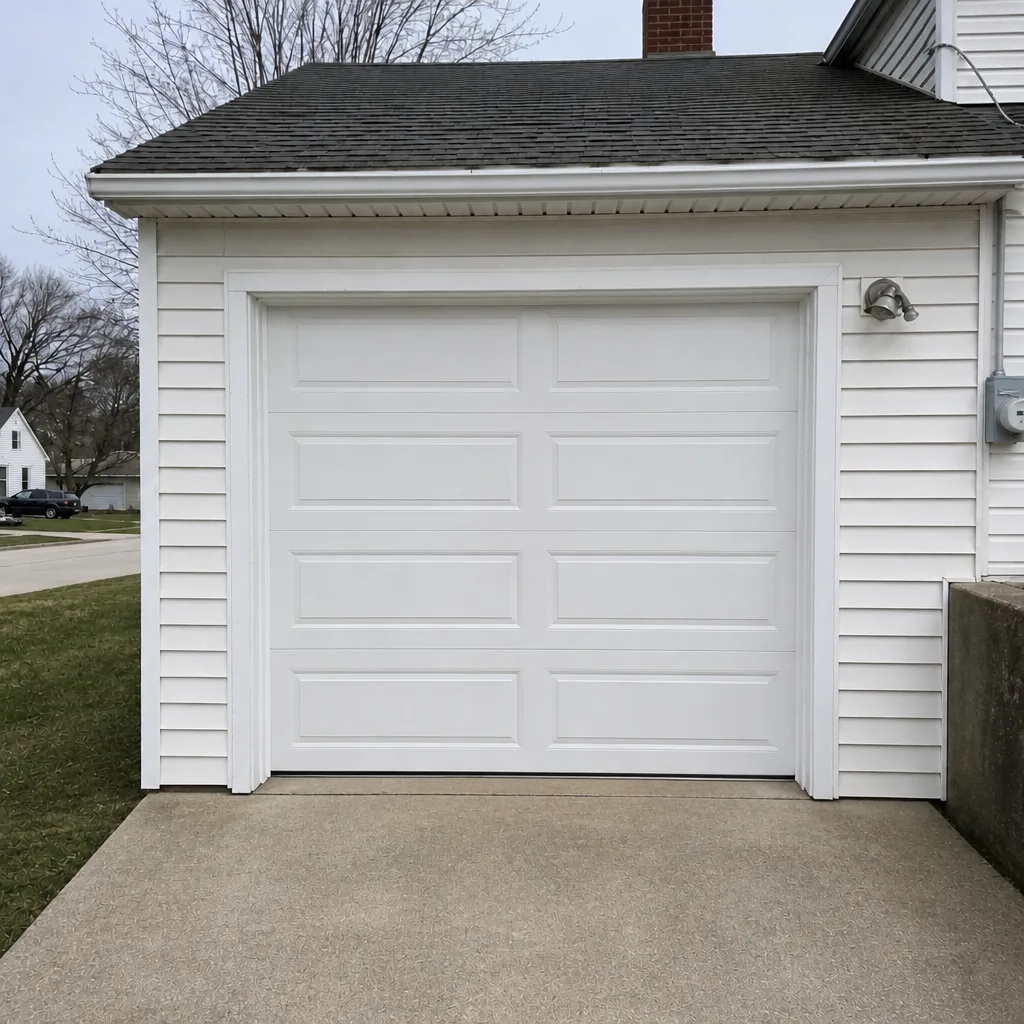
See the difference
 Before
 After
 Before
 After
 Before
 After
When to Call a Professional
Call a professional when the failure involves a torsion spring, an extension spring, a cable, a track under load, or an off-track door. Call as well when a safety sensor or door reversal problem persists after a basic check, and whenever a repair is beyond the safe column in this guide. For installations and openers, a scheduled professional visit gives you the free measure and the written price you need to compare against the DIY path. Southampton Garage Door Repair Pros offers free estimates in Southampton. The local professionals we connect homeowners with are licensed and insured as their state requires, and our spring service is a dedicated, high-tension specialty rather than a side job for a general handyman. Call (866) 809-2029 to book a visit. We answer 24/7. Fast dispatch from 7am to 7pm, Sunday through Friday.
Frequently Asked Questions
No, we don’t recommend it. A wound torsion spring stores enough energy to cause serious injury, and the correct procedure requires winding bars and a torque wrench that most homeowners don’t own and will never use again. Call (866) 809-2029 for a free estimate on a spring repair done safely.
A single spring repair typically runs in the low to mid hundreds of dollars, and a matched pair runs about twice that because both springs are usually replaced together. The written estimate sets the final price. Call (866) 809-2029 for an exact quote, and the estimate is free.
It can look cheaper on paper, but a first-timer installation usually voids the manufacturer’s warranty, may require a permit depending on your local building department, and takes a full day or more. A professional installation is scheduled, measured, and priced in writing before work starts. Call (866) 809-2029 to compare.
Yes, for most repair jobs. Our fast dispatch from 7am to 7pm, Sunday through Friday, handles most stuck doors and spring repairs the same day, subject to parts. Installation and full door replacement are scheduled jobs, not same-day, because they’re measured and ordered. Call (866) 809-2029. We answer 24/7.
No. The estimate is free and the price is set in writing per job before any work starts. If the diagnosis changes and you need a different repair, you’ll see a new written estimate before we do anything. Call (866) 809-2029 for a free estimate.
The local professionals we connect homeowners with are licensed and insured as their state requires. Our technicians have up to 14 years of experience across the major brands. Call (866) 809-2029 for a free estimate.
The Bottom Line
DIY vs professional garage door work isn’t a single decision. It’s a line drawn by mechanical risk. Weatherstripping, sensor alignment, lubrication, and cosmetic repairs are worth doing yourself; they’re safe, fast, and use tools you already own. Torsion springs, cables, tracks under load, and off-track doors belong to a specialist, and no amount of saved tools cost makes the injury risk worthwhile. Opener and door installation sits in a middle zone where warranty, permit, and time usually push toward a scheduled professional visit with a free measure and a written price. Southampton homeowners who sort their repair into the right column save time, money, and a lot of risk. If you’re unsure which column you’re in, call a specialist and ask. If you’d like to know more about how we work, visit our Southampton Garage Door Repair Pros team.
Ready to stop guessing and get a written price? We specialize in garage doors only, and one call covers spring repair, opener service, installation, and parts. Call (866) 809-2029 for a free estimate. We answer 24/7. Fast dispatch from 7am to 7pm, Sunday through Friday.
Written by the team at Southampton Garage Door Repair Pros.