
Last updated November 21, 2026
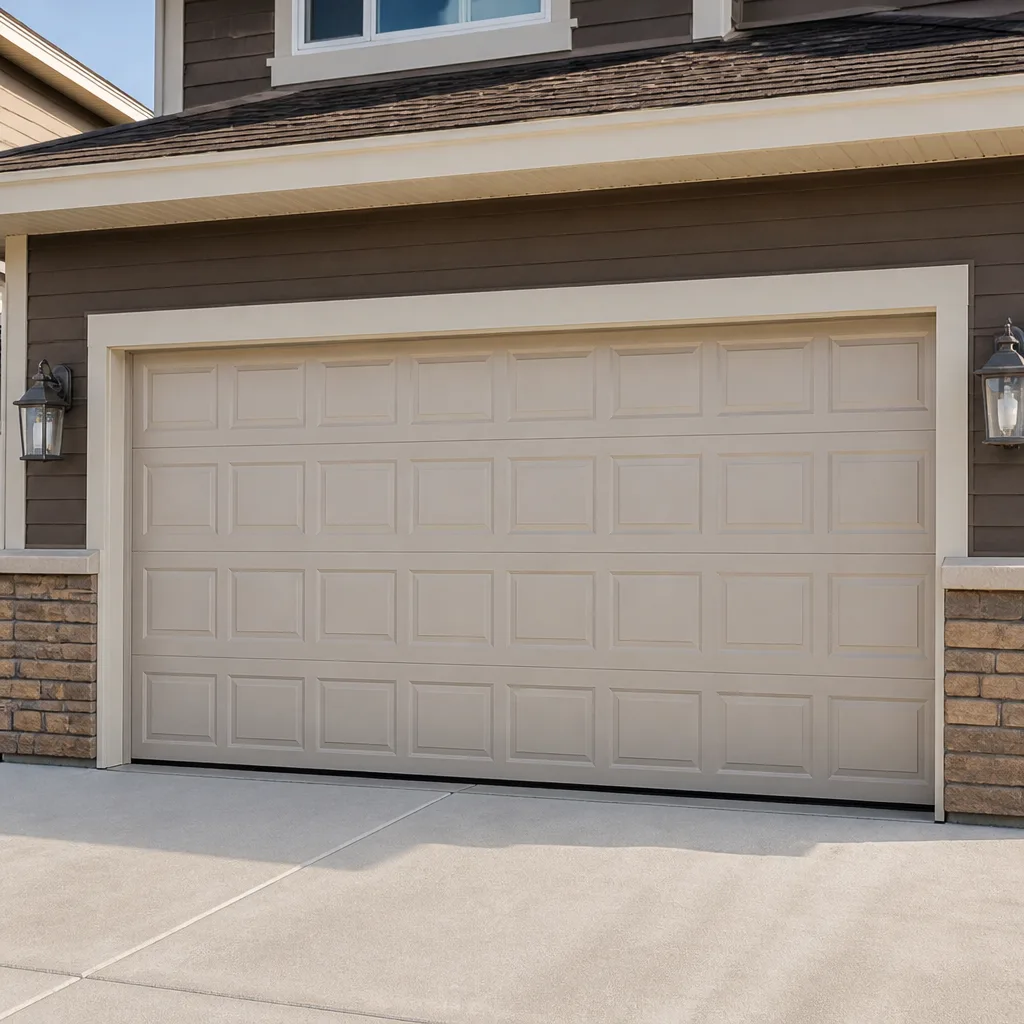 Raised-panel steel
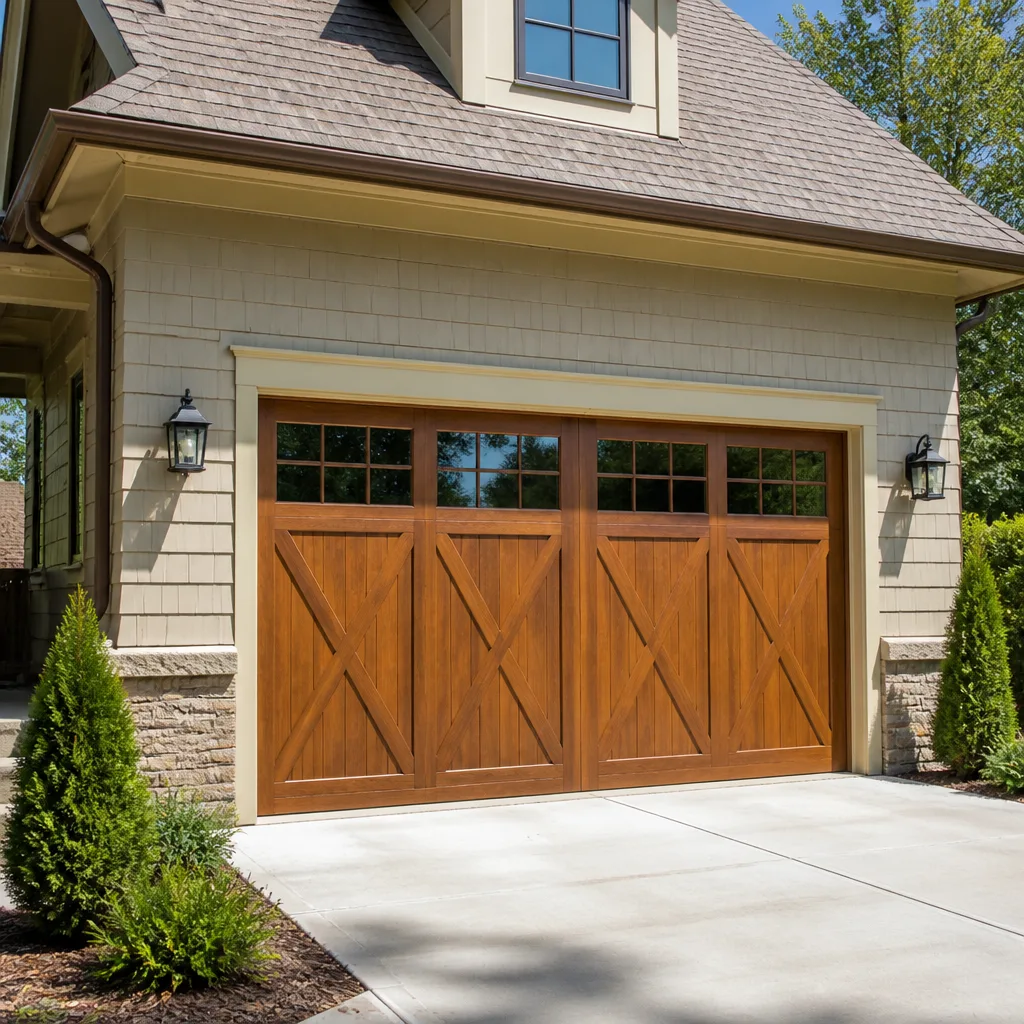 Carriage house
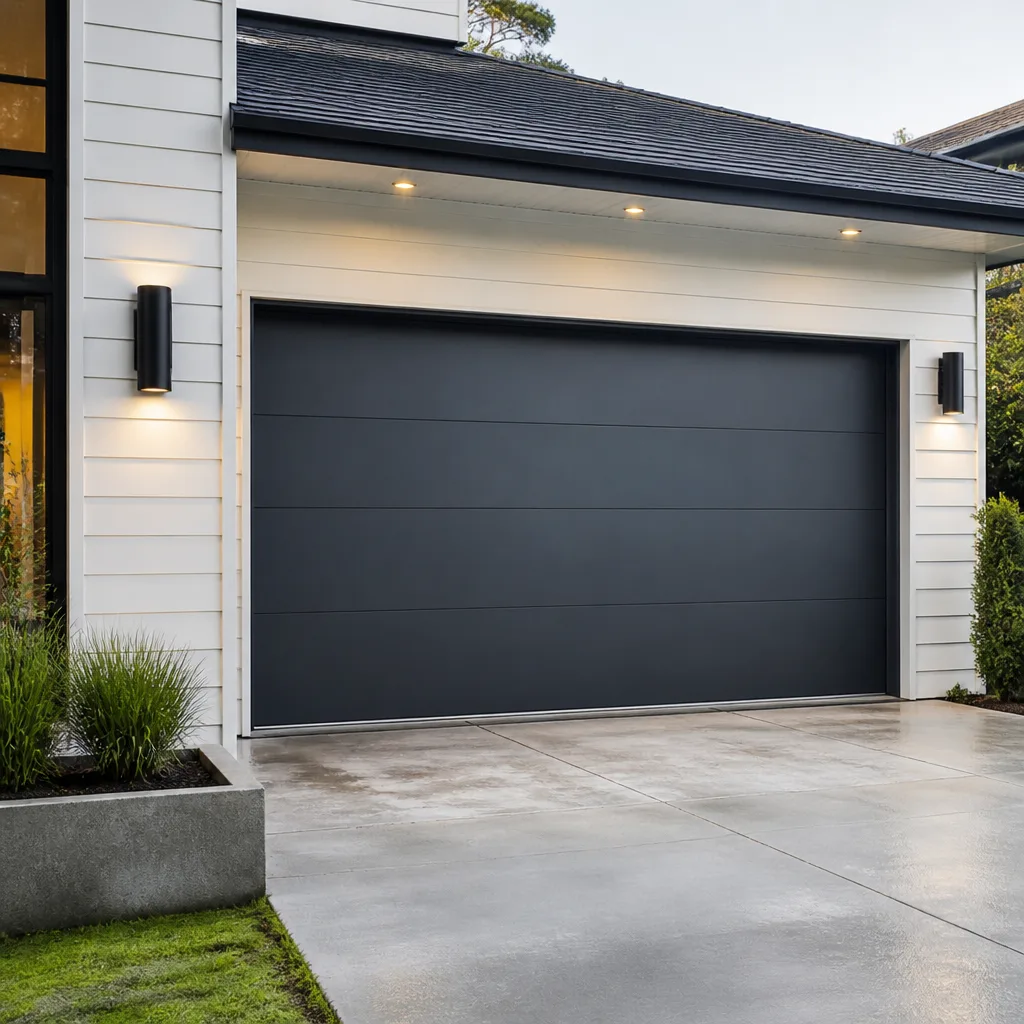 Modern flush
 Full-view glass
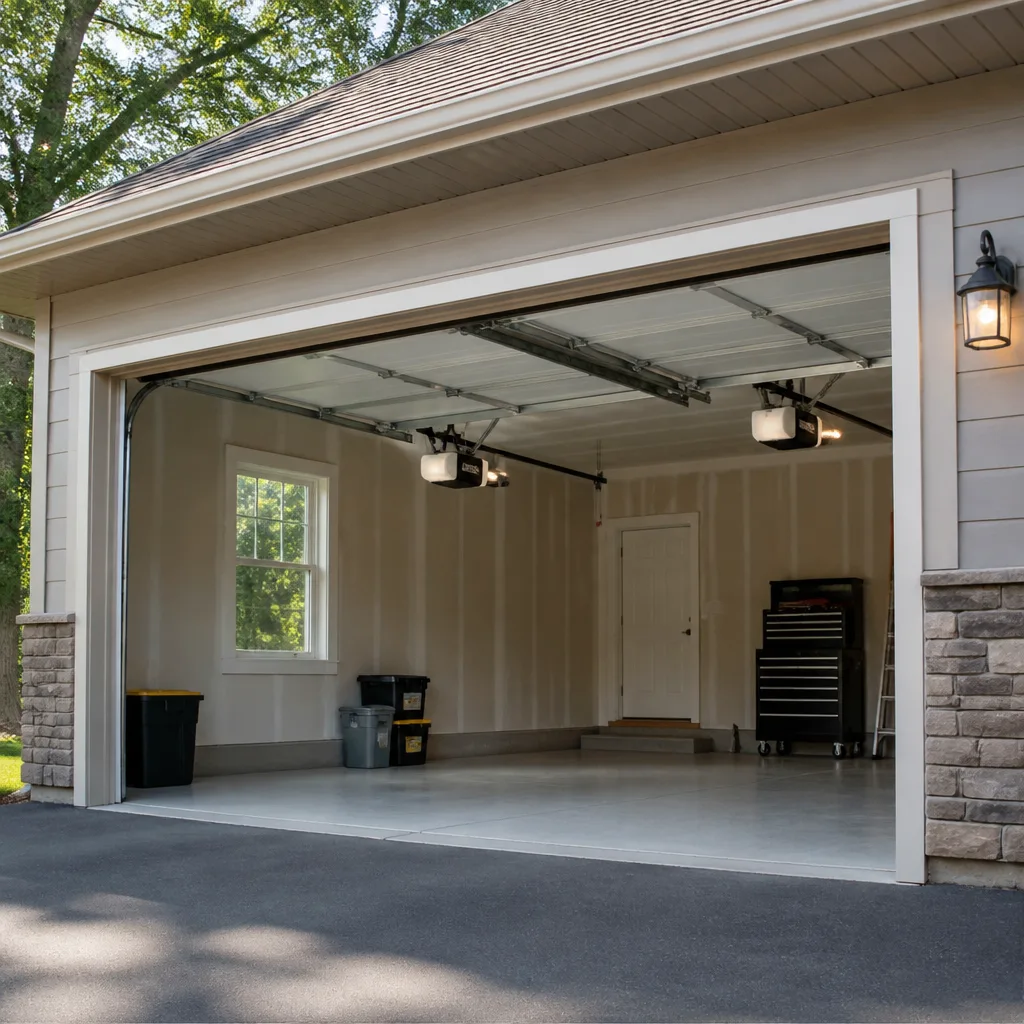 LiftMaster openers
 Chamberlain openers
Full 25-point door and opener safety check with every visit - springs, cables, rollers, tracks, and your LiftMaster or Chamberlain opener included
You get a price before we start. It does not change when the pro arrives.
Get your free estimateGarage Door Emergency Preparedness Guide for Southampton Homes
Most Southampton homeowners think about their garage door exactly twice: the day it’s installed and the day it stops working. That’s the wrong order. The emergencies that strand cars and leave houses open in Southampton almost never start with the door itself failing out of nowhere. They start with a power cut during an ice storm, a frozen bottom seal, a bump from a teenager learning to park, and a homeowner who doesn’t know where the manual release cord is. This guide covers the three things worth knowing before anything goes wrong: how to release and re-engage your opener safely, how to free a frozen door without wrecking it, and what to have written down before you ever need to call anyone.
Quick Answer
Garage door emergencies in Southampton usually fall into four buckets – power failure lockouts, doors frozen to the slab, spring or cable failure, and vehicle impact. Three pieces of preparation prevent most of them from becoming a several-hour problem: know where your manual release cord is and how to re-engage the trolley, keep a supply of de-icer and a plastic scraper on hand before winter, and write down your door model, spring spec and opener model in one place. Everything else is a call to a specialist.
Styles & brands we work with
- Raised-panel steel
- Carriage house
- Modern flush
- Full-view glass
- LiftMaster openers
- Chamberlain openers
Table of Contents
- How do you manually release a garage door during a power outage?
- How do you re-engage the opener after power comes back?
- What’s the right way to free a garage door frozen to the ground?
- What should you check after a vehicle strikes the door?
- Why does battery backup matter in Southampton power outages?
- When is a spring problem an emergency, and when is it just a repair?
- What should be in your emergency documentation file?
- When should you stop trying and call a professional?
How do you manually release a garage door during a power outage?
Every residential opener made by LiftMaster, Chamberlain, Genie or Raynor has a manual release – a cord hanging from the trolley that rides on the rail above the door. Pull it once, firmly, and it disconnects the door from the drive so you can lift it by hand. That’s the whole procedure. The complications come from what people do next.
Here’s the sequence we recommend, and it works on every brand we service:
- Make sure the door is fully closed before you pull the cord. Releasing a door that’s halfway up leaves it balanced on the torsion or extension springs with nothing holding it. That’s how doors fall.
- Stand clear of the door’s path and pull the release cord straight down. One steady pull is enough. Don’t yank or twist it.
- Lift the door by the bottom section, using the lift handle if there is one. A properly balanced door should rise with modest effort – if it feels heavy or fights you, stop.
- Prop the door open if you need to leave it up. A door that’s been disengaged from the opener has no automatic hold. Wind, a bump, or a slightly off-balance spring can drop it.
- Don’t force a door that won’t budge. A door that won’t lift by hand usually has a broken spring or a seized roller, and forcing it can bend panels or snap a cable.
In Southampton, power interruptions tend to cluster around winter storms and summer thunderstorm lines. A little practice in daylight, with the door closed and the car outside, is worth doing once. The cord is the same on nearly every brand – the difference between one opener and the next is the trolley design, not the release mechanism. If the cord is missing or has been cut short by a previous installer, that alone is worth a service call. Our team handles garage door opener repair on all the major brands and can replace a damaged release assembly.
How do you re-engage the opener after power comes back?
Here’s the mistake that costs homeowners the most: after a power outage, the opener’s carriage and the trolley are in different positions on the rail, and pressing the wall button without re-engaging first can damage the carriage or strip the drive gear. You can usually hear it happening – a grinding or clicking sound followed by the opener stopping. Re-engaging properly takes about thirty seconds if you do it in order.
- Lift the door by hand to the fully closed position and lower it gently. The door needs to be resting at the bottom of its travel.
- Look at the trolley on the rail. If the release arm is hanging down, it’s disengaged. Lift the arm up toward the trolley body and push it until it clicks into place.
- On LiftMaster and Chamberlain openers, the trolley usually re-engages with a firm push upward. On older Genie and Raynor units the release arm is a lever – flip it back and it should seat itself.
- Test the door with the wall button. Stand clear and watch the full cycle. If the door reverses immediately or stops partway, the trolley didn’t seat properly – start again.
A note on the safety reverse: if the door reverses for no reason after re-engagement, the safety sensors at the bottom of the tracks are probably misaligned or dirty. Wipe the lenses with a clean cloth and check that both LEDs are solid, not blinking. If the door still behaves oddly, that’s the point to stop cycling it and call for garage door repair rather than keep pressing the button. Repeated cycles against a jammed carriage can burn out the opener’s logic board.
What’s the right way to free a garage door frozen to the ground?
A frozen bottom seal is the most common winter garage door problem in Southampton, and it’s also the one most often “fixed” in a way that ends up requiring a service call anyway. The bottom seal is a rubber or vinyl gasket that presses against the concrete. When snow melts onto the slab and refreezes overnight, that gasket becomes glued to the floor. The door tries to rise, the seal stays put, and one of three things happens: the seal tears off, the bottom panel bends, or the opener strains itself trying to lift a door it can’t move.
The right tools are simple. Ice melt or de-icer in a granular or liquid form, a plastic scraper, and patience. Never a metal shovel, a pry bar, or a hammer. Here’s the procedure:
- Stop pressing the opener button. If the door has already tried to lift and failed, don’t repeat it while the door is still frozen.
- Apply de-icer along the seam between the door and the floor, working it under the bottom edge with a plastic scraper. Give it several minutes.
- Try lifting the door by hand, not with the opener. Lift from the bottom panel, straight up, slowly.
- Once free, dry the bottom of the seal and the floor before closing the door. Re-freezing is common if you skip this step.
- If the seal is torn or the panel is bent, stop. That’s now a repair, not a thaw.
Once you’re back inside, examine the bottom seal for cracks or deformation. A seal that’s been frozen to the floor repeatedly has usually lost some flexibility. As part of our garage door installation service we replace seals and bottom panels routinely, and we can also supply the part if you’re comfortable doing the swap yourself.
What should you check after a vehicle strikes the door?
Vehicle impacts are the emergency type that hides the most damage. A sedan clipping the bottom panel at low speed frequently looks fine from the driver’s seat – the door cycles, the opener runs, everything seems normal. A week later the track is bowed, the roller is grinding, and the panel is separating from the hinge. What you check in the first ten minutes tells you whether to keep operating the door or leave it exactly where it is.
Run this check immediately after any impact, in this order:
- Stop operating the door. Don’t open and close it to see if it’s okay. That’s the moment where a bent panel can jam, tear a roller out of its bracket, or drop a section.
- Look at the vertical tracks on both sides. They should be perfectly plumb. Any visible bow means the door is running off its intended path.
- Inspect the hinges where the panels meet. Hinges are the weakest point in a collision – they stretch, bend, or pull loose from the panel, and the door still functions for a while before it fails.
- Check the cables on both sides. Look for fraying, loose tension, or a cable that has slipped off a drum. Do not touch a cable under tension.
- Look behind the door at the springs. Torsion springs are mounted on a shaft above the door; extension springs run along the horizontal tracks. A spring that looks stretched, disconnected, or broken is an immediate stop.
- Check the safety sensors and photo-eye alignment. Impacts often knock these loose, and a misaligned sensor will prevent the door from closing at all.
If any of the above looks wrong, keep the door closed until a technician can look at it. A door that’s been struck is a high-tension assembly – if a cable or spring is even slightly compromised, a person lifting the door by hand can be seriously injured. Spring and cable work is not a homeowner job, and we say that as a company that does it daily. Our technicians have up to 14 years of experience and the equpment to assess impact damage properly.
Why does battery backup matter in Southampton power outages?
Battery backup is the single most useful upgrade for a Southampton homeowner who has ever been locked out by a power failure. A battery backup system sits between the opener and the wall and keeps the door running on a rechargeable battery when the house loses power. The opener runs at reduced speed and reduced cycle capacity, but the door opens and closes normally. The alternative is the familiar sequence: power goes out, the door won’t open, the car is inside, and the manual release is under a shelf you haven’t moved in years.
What a charged backup buys you varies by brand and battery size. A small backup will typically manage a handful of cycles – enough to get the car out, go to work, and get back in. A larger battery gives you more cycles and holds its charge longer between outages. Anyone promising a specific number of cycles without checking the model is guessing. Here’s what to know when you’re choosing one:
- LiftMaster and Chamberlain both offer factory battery backup systems that integrate directly with the opener’s logic board – no separate wiring to the wall button.
- Genie offers backup systems for several of their residential lines, and the battery typically sits on top of the opener motor housing.
- Raynor openers generally accept backup modules that pair with the same models they’ve supported for years – check the opener’s data plate before ordering.
- Test the battery every fall. Most units have a test button or a status LED. A battery that hasn’t been tested since last winter is a battery you don’t know the state of.
If your opener is old enough that no backup system fits it, that’s useful information. It may be time to talk about replacement. We work with the major opener brands and can tell you quickly which options will work with what you have – the first step is usually a Southampton Garage Door Repair Pros visit to identify your opener model and wiring.
When is a spring problem an emergency, and when is it just a repair?
A broken spring is always a serious problem, but not every spring failure means an emergency call. The distinction is simple: if the door is stuck in a position where the car is trapped inside or outside, or if the door is stuck open with the house exposed, it’s an emergency. If the door is closed and not going anywhere, it’s a repair that needs scheduling. Knowing which you’re in changes how you handle the next few hours.
Springs come in two types. Torsion springs sit on a horizontal shaft above the door and wind up as the door closes; extension springs run along the tracks on either side. Both store enough energy to injure someone badly if they’re handled while under tension. Never disconnect, adjust, or try to remove a spring or a cable. This is the one category of garage door work we’d tell any homeowner to leave alone entirely – not because it’s complicated to understand, but because the stored energy doesn’t give you a warning.
What you can do:
- Listen. A loud snap followed by the door refusing to lift is usually a broken spring. The door is now dead weight.
- Don’t try to force the door up by hand. A door with a broken spring weighs far more than you can safely lift, and it can drop without warning.
- Park outside if you can, or leave the car where it is. If you need the car out and the door is closed, call for help – this is what garage door repair is for.
- Note the model number from the door and spring if you can see it safely from the ground. It saves time on the call.
In Southampton, spring failures cluster around the first cold snap and the first heat wave – both cause the metal to contract or expand, and a spring that was already near the end of its life gives up then. We handle spring replacements as a dedicated service, and we supply the part, so there’s no waiting on an outside order. Call (866) 809-2029. We answer 24/7. Fast dispatch, 7am-7pm.
What should be in your emergency documentation file?
The information you need after a garage door emergency is on the door itself, the opener housing, and the springs. It’s also on a receipt in a drawer you may not be able to find at 9pm in January. The fix is to gather it now, once, and keep it somewhere obvious. We’ve walked Southampton homeowners through enough of these calls to know that the person who has the file ready gets service faster and gets the right part on the first visit.
Your file should have all of these, written or photographed:
- The technician’s phone number – ours is (866) 809-2029.
- The door manufacturer and model number. It’s usually on a sticker inside the door, attached to the bottom panel or the second panel from the bottom.
- The door width and height – measurable with a tape.
- The spring specification: spring type (torsion or extension), wire gauge, inside diameter and length, printed on the spring coil or the sticker on the end plate.
- The opener brand and model number, printed on the motor housing or the data plate on the back of the opener.
- The opener’s serial number and manufacture date, same location.
- The date the door was last professionally serviced, if you have it.
- Whether you have a battery backup and what brand it is.
Photo the door, the label on the door, the opener plate and the spring label. Save the photos to your phone. That’s the entire file, and it lets a technician arrive with the right spring or the correct replacement opener part already pulled. We supply parts directly, which removes the usual delay between diagnosis and repair.
When should you stop trying and call a professional?
There’s a clear line where preparation stops being useful and a specialist needs to take over. If the door won’t move at all, if you’ve heard a snap, if any part of the door looks bent or out of alignment, if cables are loose or frayed, or if a spring is broken – stop and call. Don’t try the opener again. Don’t try to lift the door. Don’t try to diagnose it from the ground.
Springs and cables hold the door’s entire weight and can cause serious injury without any warning. A bent panel can drop. A misaligned door can derail from the track. All of these are routine for a technician with the right tools and are dangerous for anyone else – and that’s exactly the work we do every day. Southampton Garage Door Repair Pros offers free estimates in Southampton – call (866) 809-2029. We answer 24/7. Fast dispatch, 7am-7pm, Sunday through Friday.
Common Mistakes to Avoid
- Pulling the release cord with the door halfway open. Release a door only when it’s fully closed. A partially raised door is balanced on the springs with nothing holding it down, and it can fall.
- Pressing the opener repeatedly when the door won’t move. The most common cause of a burned-out logic board is repeated cycles against a jammed door or a broken spring. If the door doesn’t budge the first time, stop pressing.
- Yanking the frozen door up with the opener on a cold Southampton morning. The seal tears off or the bottom panel bends before the ice gives. De-icer and a plastic scraper are the correct tools; a metal shovel is not.
- Assuming a vehicle strike left no damage because the door still cycles. Bowed tracks and stretched hinges often don’t prevent operation for a week or two. By the time the door fails, the damage has usually spread.
- Trying to “test” a broken spring or a loose cable. No homeowner should be anywhere near a spring or cable under tension. This is genuinely dangerous work.
- Buying a battery backup without checking the opener model first. Backup units are brand-and-model specific. A unit that fits one LiftMaster or Chamberlain opener may not fit another.
- Keeping the manual release out of reach. If the cord is behind shelving or under a stack of boxes, it may as well not exist when the power goes out. Clear a path to it now.
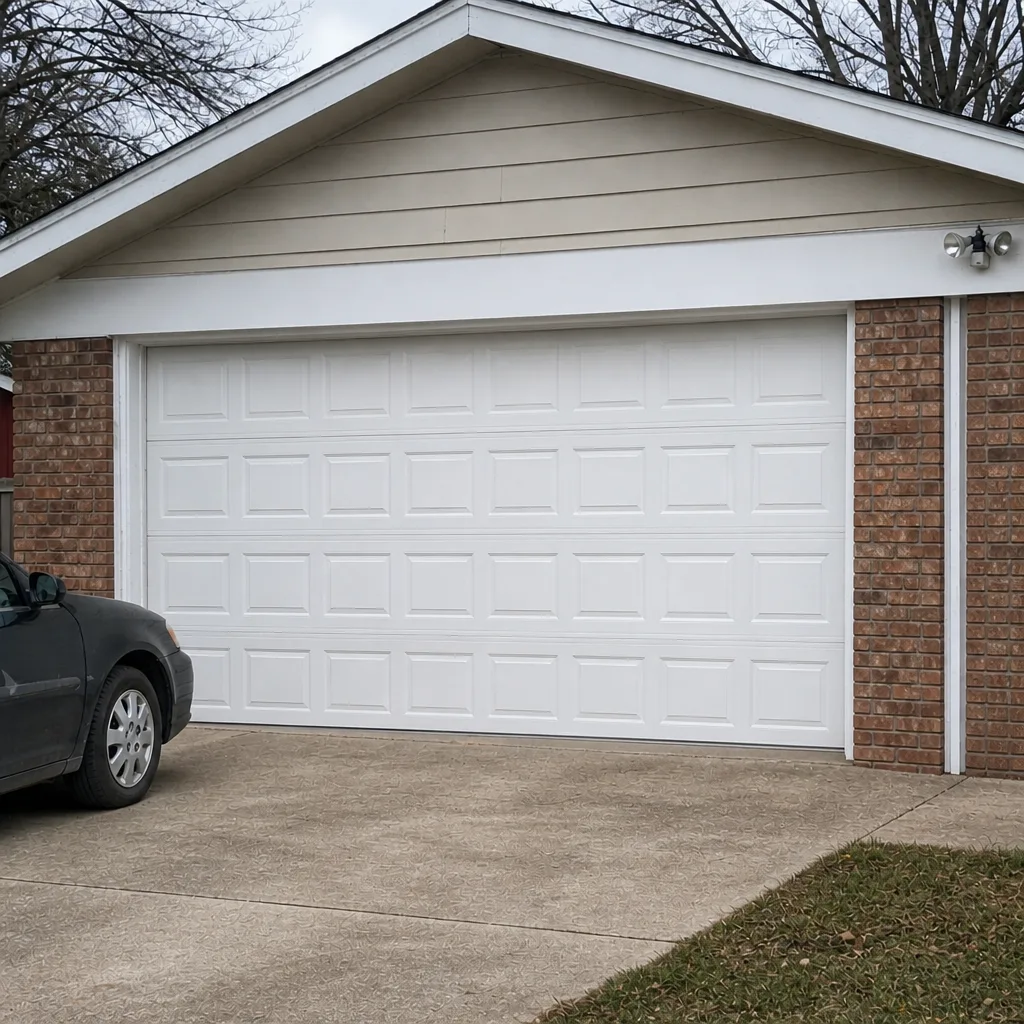
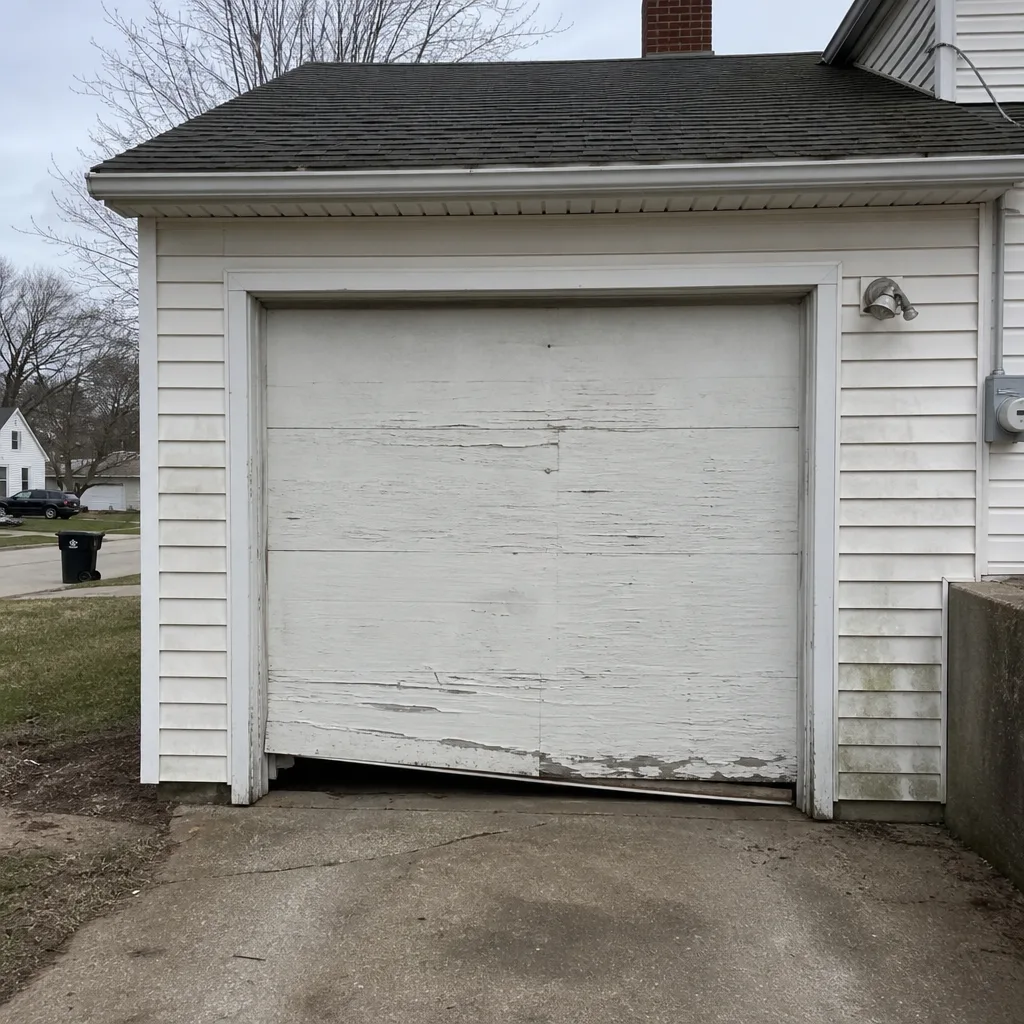
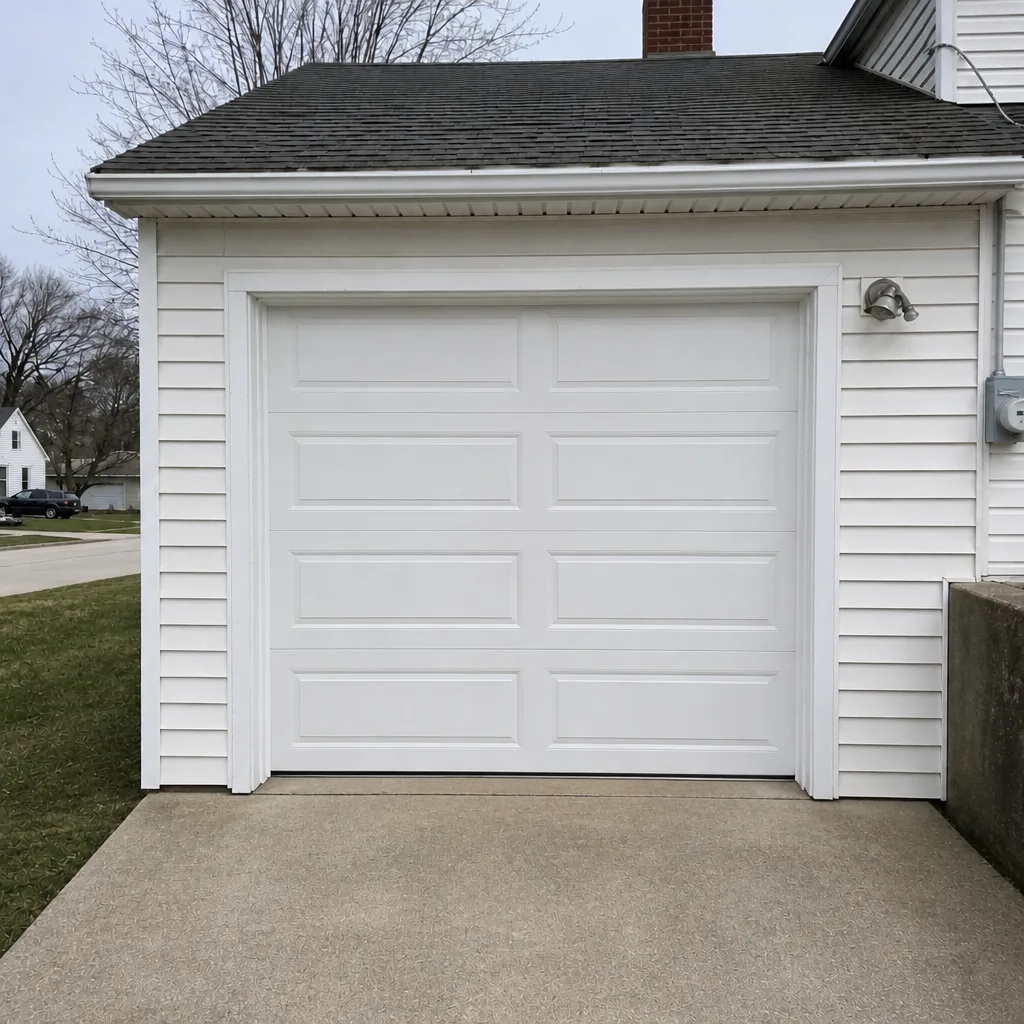
See the difference
 Before
 After
 Before
 After
 Before
 After
When to Call a Professional
Call a specialist the moment the door stops behaving normally: it won’t open, it reverses for no reason, it makes a new noise, it’s been struck, a spring has snapped, a cable is loose, or the opener’s trolley won’t re-engage after a power outage. Each of those is a symptom worth diagnosing, and a general handyman without spring and opener experience is not the right call. Southampton Garage Door Repair Pros offers free estimates in Southampton – call (866) 809-2029. We answer 24/7. Fast dispatch, 7am-7pm, Sunday through Friday.
Frequently Asked Questions
Yes. Pull the manual release cord hanging from the trolley on the rail, make sure the door is fully closed first, and lift the door by hand. Re-engage the trolley properly when power returns. If you have a battery backup opener, the door will open on battery without any manual release at all.
It depends on what’s failed. A spring replacement, a track repair, a cable replacement and an opener repair all fall in different ranges because the parts and labor are different. We set the price per job from a written estimate before any work starts – the written estimate is the price, and no fee is added for what time of day you called. Call (866) 809-2029 for an exact quote. Estimates are free.
No. The written estimate we give you before any work begins is the price that stands. If we discover something else during the visit, we tell you what it is, what it costs and what happens if you leave it – you decide before anything else gets touched.
Yes, if you use the right tools: ice melt, a plastic scraper, and patience. Apply de-icer along the seam, wait, then lift by hand from the bottom panel. Never use a metal shovel or a pry bar. If the seal is torn or the panel bent, stop and have a specialist look at it.
The local professionals we connect you with are licensed and insured as their state requires. Our technicians have up to 14 years of experience, and we focus 100% of our work on garage doors and openers rather than splitting time across multiple trades.
We work on the brands Southampton homeowners already own. That includes LiftMaster, Chamberlain, Genie, Clopay, Amarr, Wayne Dalton, Craftsman and Raynor. Our team is factory-familiar with all eight, which means diagnostics are brand-specific rather than a generic guess.
The Bottom Line
Garage door emergencies in Southampton are far more manageable when you’ve prepared for them in advance. The three things that matter most: know where your manual release cord is and how to re-engage the trolley after a power failure, keep de-icer and a plastic scraper on hand before winter so you can free a frozen seal without damaging it, and write down your door model, spring spec and opener model in one place that isn’t a drawer. Battery backup on the opener is the single most useful upgrade for a home that loses power regularly. Anything involving springs, cables, a bent track or a vehicle impact is a call to a specialist – that’s not an area to test yourself. If you need a hand, we’re here.
Call (866) 809-2029. We answer 24/7. Fast dispatch, 7am-7pm, Sunday through Friday. Estimates are free and the price is set per job by the written estimate. If you’d like to know more about how we work, start with Southampton Garage Door Repair Pros.
Written by the team at Southampton Garage Door Repair Pros.